
Unbiased headlines. Facts, not spin.
Every story is an unbiased news briefing written from 110+ sources across the spectrum — sources linked so you can verify it yourself.
 energy
Major Story (7/10)
August 5, 2026 at 11:08 PM
energy
Major Story (7/10)
August 5, 2026 at 11:08 PM
Refining Margins Hit Record Highs as Middle East War Squeezes Fuel Supply, Big Oil Cashes In
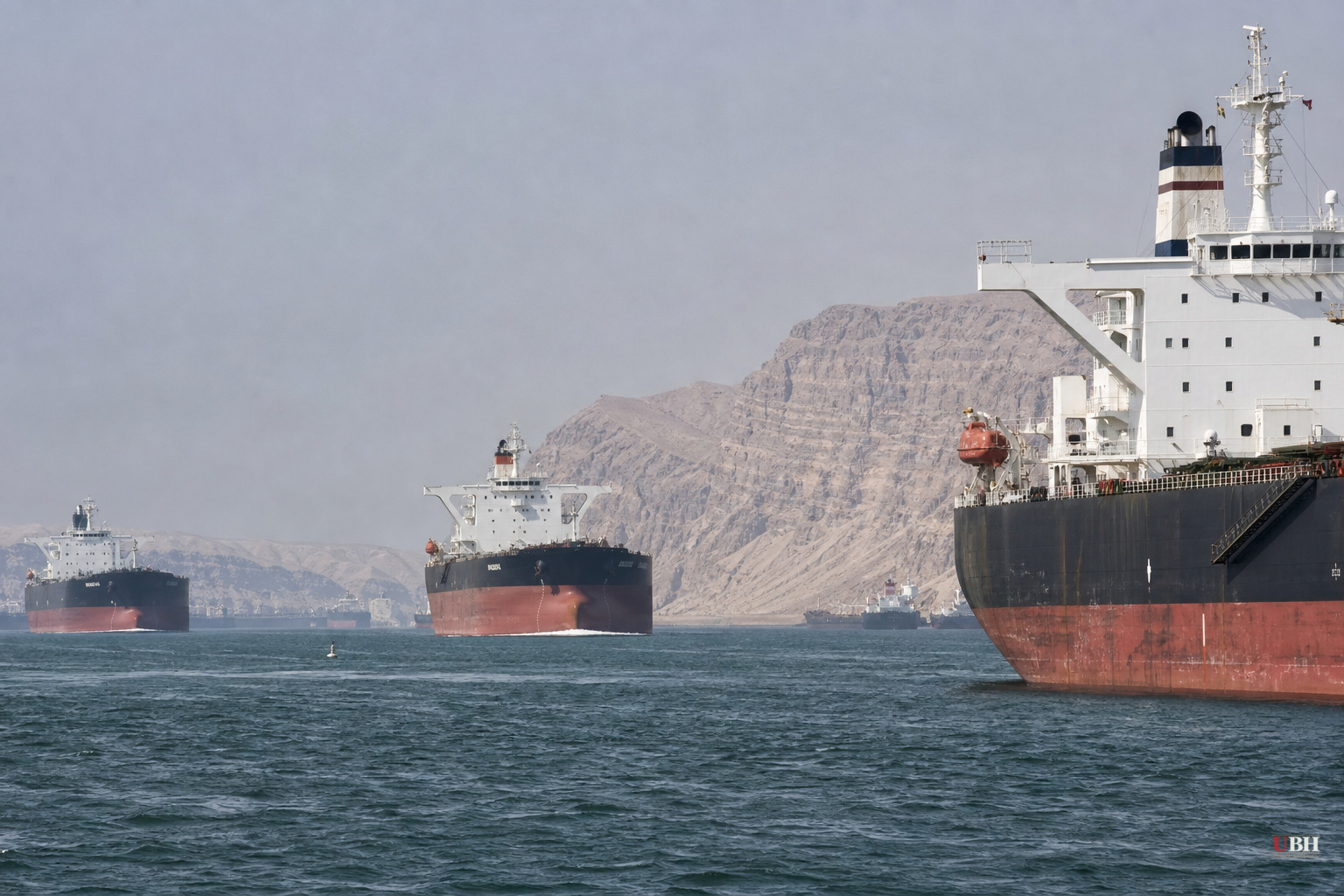
Refining margins for gasoline and diesel have climbed to record highs, driven by disrupted fuel flows tied to the war in Iran and lingering fallout from Russia's invasion of Ukraine, according to OilPrice.com analyst Tsvetana Paraskova writing for ZeroHedge. The world's biggest refiners posted their strongest second-quarter profits since 2022 as a result.
Crude oil and refined products are not the same market, and they have not moved together. Crude prices spiked and then swung wildly amid the conflict, but the market for finished fuel, gasoline, diesel, and jet fuel tightened even further and stayed tight.
That gap between crude and refined product supply is what's known as the refining margin, or crack spread: the difference between what a refiner pays for crude and what it can sell the finished fuel for. When that spread widens, refiners make more money on every barrel they process, regardless of what crude itself is doing.
Why Fuel Got Tighter Than Crude
Several things are stacking on top of each other. Fighting has disrupted the movement of crude oil through the Strait of Hormuz, a chokepoint that a large share of the world's oil and fuel exports pass through. That has cut refining throughput across Asia and prompted a temporary Chinese export ban on refined products.
At the same time, Russia has restricted its own diesel exports, removing another major source of supply. Global fuel inventories, according to Paraskova's reporting, have been shrinking for months as a result of these combined pressures.
Fatih Birol, executive director of the International Energy Agency, addressed the situation directly last month. "There is no room for complacency on oil security amid the escalation in hostilities and a continued drawdown of available commercial inventories," Birol said. He noted that IEA member countries still hold more than 1 billion barrels of government-controlled stocks, a buffer meant to cushion exactly this kind of shock.
Birol also flagged the specific imbalance driving the crisis: "Refinery activity and product supplies have not picked up as much as crude deliveries, meaning that markets for refined oil products, including diesel and gasoline remain stretched thin." In plain terms, there's crude coming out of the ground and getting shipped, but not enough refining capacity turning it into usable gasoline and diesel fast enough to meet demand.
Who's Cashing In
The biggest winners are the integrated oil majors that own both crude production and refining capacity, plus the standalone refiners that process crude into finished fuel. Their second-quarter earnings reports show the clearest evidence of the boom, with profits climbing not just from higher crude prices in April through June but specifically from refining and trading division performance.
This is the second time this decade a war has produced this exact playbook. The 2022 Russian invasion of Ukraine triggered a similar refining boom as Western sanctions cut off Russian fuel exports and refiners elsewhere scrambled to fill the gap. Big Oil posted blowout profits then too, and drew plenty of political heat over it in Washington and European capitals.
What's Missing From the Framing
The source material treats the refining boom mainly as a market mechanics story: supply chokepoints, inventory drawdowns, margin math. What it doesn't dig into is the consumer side of the ledger. Record refining margins mean someone is paying more at the pump, and that someone is the American and European driver, not just a line item on an oil major's balance sheet.
Refining capacity has been shrinking in the West for over a decade as older plants closed and few new ones got built. The war in Iran and Russia's export restrictions didn't create the vulnerability, they exposed one that was already there.
The open question now is how long the squeeze lasts. The IEA's 1-billion-barrel stockpile cushion buys time, but it doesn't fix the underlying capacity gap. Whether governments respond by leaning on strategic reserves, pushing to fast-track new refining capacity, or simply riding out the war and hoping fuel markets normalize on their own is still unresolved. Birol's own warning suggests the agency doesn't think the risk has passed.
Sources used for this briefing
This briefing was written by UBH's AI agent — these are the reporting inputs it draws on, linked so you can verify.


