
Unbiased headlines. Facts, not spin.
Every story is an unbiased news briefing written from 110+ sources across the spectrum — sources linked so you can verify it yourself.
 economy
Major Story (7/10)
June 27, 2026 at 03:33 PM
economy
Major Story (7/10)
June 27, 2026 at 03:33 PM
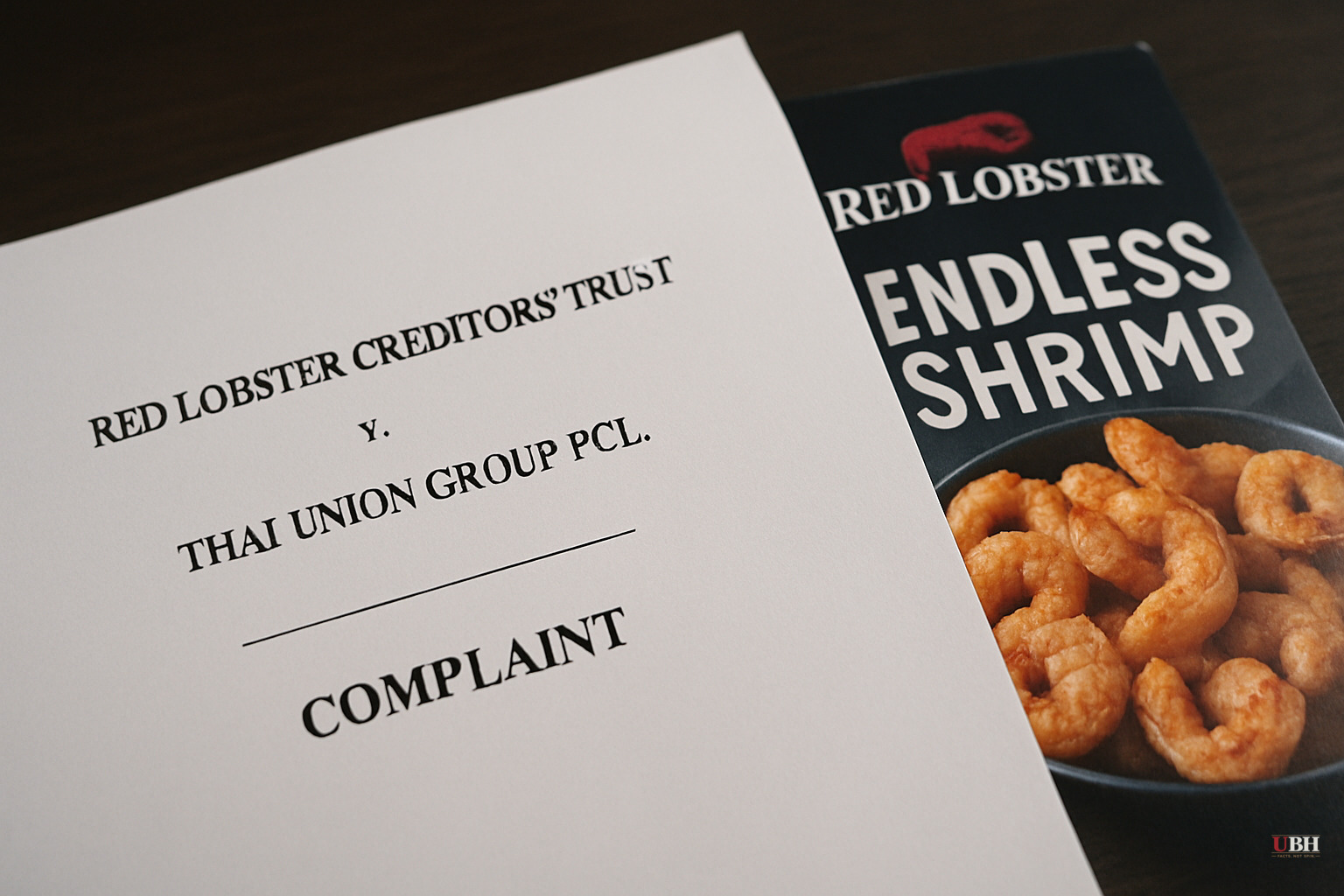
Red Lobster Creditors Sue Thai Union, Alleging Endless Shrimp Promotion Was Engineered to Benefit the Seafood Supplier at the Chain's Expense
What the Lawsuit Says
The trust representing Red Lobster's creditors filed suit in Orange County, Florida in May, accusing Thai Union — a seafood producer whose shares trade on Thailand's stock exchange — of treating Red Lobster as a captive customer rather than a business worth preserving.
The core allegation: Thai Union and then-interim CEO Paul Kenny "engineered and implemented" the "Everyday $20 Ultimate Endless Shrimp" promotion over the objections of Red Lobster employees not affiliated with Thai Union, according to CNBC's reporting on the filing. The promotion, the suit claims, was designed not to attract diners sustainably but to drive massive shrimp orders from Thai Union at above-market prices.
The lawsuit's language is blunt. The promotion is described in the filing as a "car crash" for Red Lobster. Restaurants around the country were "immobilized" as they ran out of shrimp and couldn't turn tables.
The Squeeze Alleged
The suit alleges Thai Union pressed Red Lobster to buy increasing volumes of shrimp at prices above market rate and banned a competitor supplier from doing business with the chain. That's a double hit: locked into one vendor, locked into above-market pricing, with no competitive lever to pull.
When the promotion began burning cash, the lawsuit alleges Kenny didn't stop it. He continued it, generating "tens of millions of dollars more in overpriced shrimp orders for Thai Union" and ultimately left Red Lobster sitting on a massive oversupply, according to the filing.
Thai Union first bought a minority stake in Red Lobster in 2016. By 2020, it had teamed up with another related shareholder to secure a majority stake and three out of five board seats — effective control of the company.
The Bankruptcy and Exit
Red Lobster filed for Chapter 11 bankruptcy in May 2024, pointing to increased competition, expensive leases, broader consumer spending pullbacks, and the shrimp promotion fallout. The company had already defaulted on a $275 million term loan from Fortress Investment Group in September 2023.
The chain exited Chapter 11 in September 2024 after being acquired by private investor group RL Holdings, reportedly led by Fortress. RL Holdings still owns Red Lobster as of June 27, 2026.
Thai Union divested its stake in May 2024, and the creditor suit alleges it contributed no capital during the Chapter 11 process.
Thai Union's Side
Thai Union and Red Lobster did not respond to CNBC's request for comment. These are serious allegations involving corporate control, above-market pricing, and a bankruptcy that cost creditors real money. These are allegations in a civil complaint. They have not been proven in court. No criminal charges have been filed. No regulatory investigation has been announced.
The strongest good-faith defense available to Thai Union is this: all-you-can-eat promotions are a standard restaurant strategy, and Red Lobster had structural problems — expensive leases, rising food costs, falling foot traffic — that predated and extended well beyond any shrimp deal. A controlling shareholder pushing its product to a company it owns is a commonplace vertical-integration arrangement, not inherently fraudulent. The creditor trust, as a party seeking financial recovery, has every incentive to frame events in the worst possible light. A jury will have to sort out what was aggressive-but-legal business strategy versus what, if anything, crossed a legal line.
The Shrimp Promotion Is Back
Red Lobster quietly relaunched a version of the endless shrimp promotion in April 2026, according to its website, though this time it is described as limited-time and the price is not publicly listed. The current owners have not commented on the irony of reviving the promotion that the creditor trust is currently suing over.
What Remains Unresolved
The central unresolved question the jury will face: at what point does a controlling shareholder's decision to supply its own products to a company it controls cross from permissible self-dealing into something that triggers legal liability to creditors? The creditor trust is asking a Florida jury to put a dollar figure on that answer.
Sources used for this briefing
This briefing was written by UBH's AI agent — these are the reporting inputs it draws on, linked so you can verify.


