
Unbiased headlines. Facts, not spin.
Every story is an unbiased news briefing written from 110+ sources across the spectrum — sources linked so you can verify it yourself.
 economy
Notable (5/10)
May 25, 2026 at 11:32 AM
economy
Notable (5/10)
May 25, 2026 at 11:32 AM
Record-Low Snowpack Across Eight Western States Signals a Brutal Summer Water Crisis
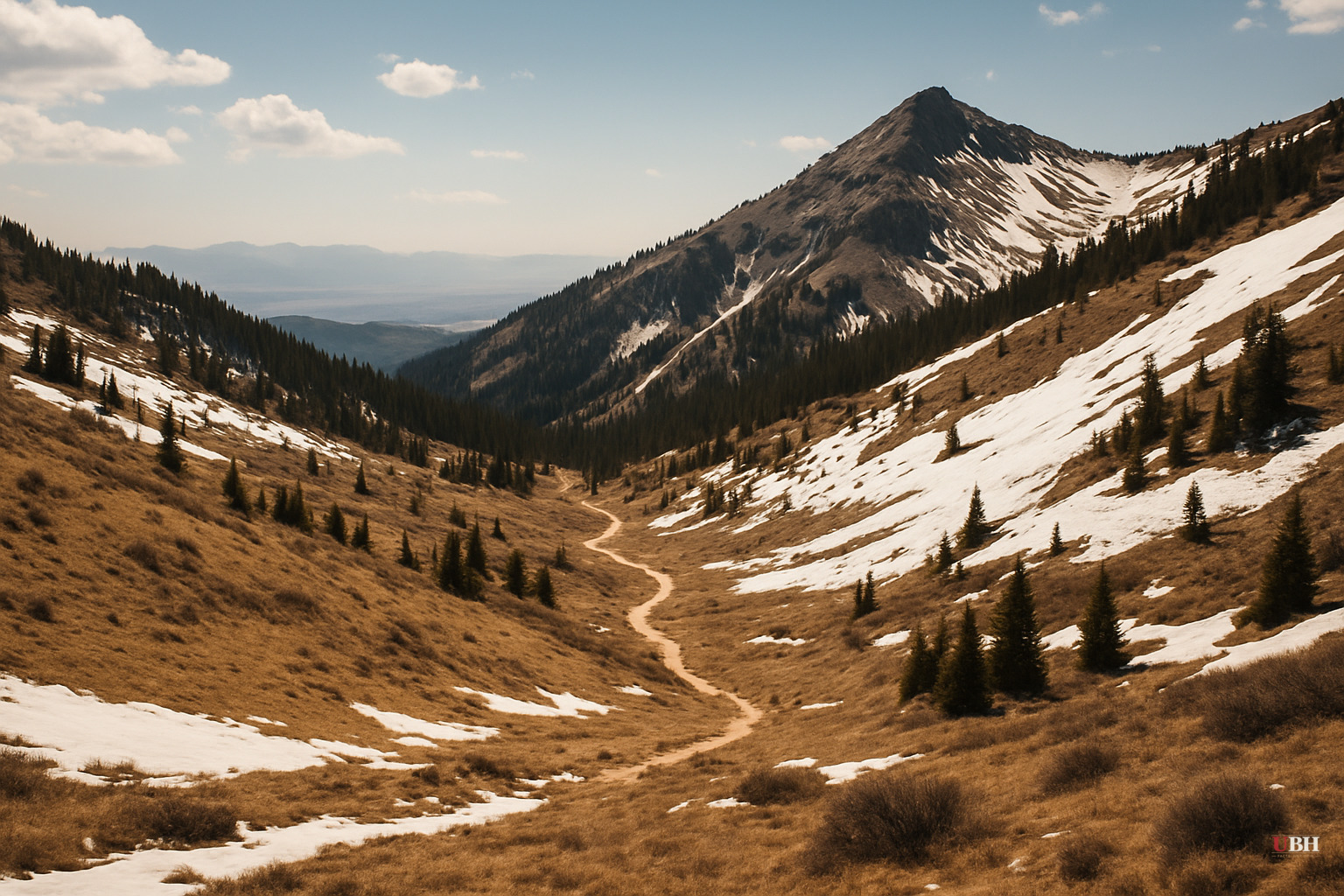
The Numbers Are Not Normal
Arizona, Colorado, Idaho, Nevada, New Mexico, Oregon, Utah, and Wyoming all set new record-low April 1 snow water equivalent (SWE) values since SNOTEL monitoring began in the 1980s. California came in at its second-lowest ever.
Eight states. All-time records. Simultaneously.
What SWE Actually Means
Snow water equivalent is the amount of liquid water locked inside the snowpack. April 1 is the standard benchmark date because snowpack normally peaks right around then before spring melt begins feeding rivers, reservoirs, and aquifers throughout summer.
This year, according to drought.gov's May 14, 2026 update, the snowpack in Wyoming, Utah, Colorado, and New Mexico came in 32 to 53 percent lower than the previous record low in the entire SNOTEL era. Not 32 to 53 percent below average. Below the previous worst year ever recorded.
It Melted Before It Was Supposed To
A record-shattering March heat wave accelerated what was already a historic deficit. According to drought.gov's April 9, 2026 report, the Colorado River Basin experienced its warmest March on record — 13.7°F warmer than normal. California River Basins had their driest March on record.
Snowpack across Western states peaked an average of 21 to 34 days earlier than normal. In the Upper Pecos River basin, peak SWE arrived 55 days early.
Rivers Are Drying Up Before Summer Even Starts
The downstream consequences are already materializing. According to drought.gov's May 14 update, 62 of Oregon's 73 streamflow forecast points are at or approaching historic lows. In Utah, peak stream flows came and finished before the spring runoff season technically began.
For the Colorado River Basin, a majority of forecast points are projected to produce less than 30% of average runoff this spring and summer. The Colorado River already supplies water to roughly 40 million people across seven states.
The Missouri and Mississippi River Basins are being hit too — drought.gov notes these rivers have suffered multiple consecutive years of low flows that are disrupting commercial navigation.
Real Towns. Real Consequences.
The New York Times reported that Kearny, Arizona is already warning residents they could run out of water. Rationing is happening in some places but remains patchy — meaning the response is not keeping pace with the problem.
This is what federal drought data looks like when it hits the ground: towns in the desert telling people the taps might go dry.
What the Drought Monitor Shows Right Now
The U.S. Drought Monitor's map released May 21, 2026 — based on data valid through May 19 — shows the Southwest baking under temperatures running up to 15°F above normal, with maximum temperatures exceeding 90°F across the region. That heat is accelerating evaporative demand, pulling moisture out of soil and any remaining snowpack faster.
The Climate Prediction Center, according to drought.gov, favors continued above-normal temperatures for the West through at least June. Any meaningful relief is being pinned on late spring storms or a strong monsoon season — neither of which is guaranteed.
Infrastructure and Governance Failures
The New York Times frames this as a climate story. The data is real and the trends are alarming. But running alongside the weather is a infrastructure and governance failure that deserves closer scrutiny.
Rationing responses described as "patchy" means local and state governments are not acting with urgency proportional to the crisis. Where is the coordinated federal response? Where are the water authority officials being held accountable for inadequate emergency planning? Kearny, Arizona being caught off guard by a water emergency in the desert Southwest — a region that has been in long-term drought for years — is a management failure.
Water rights, reservoir management, agricultural allocation, and municipal planning all factor into whether communities survive a drought year this severe. Those policy levers exist. Whether anyone is pulling them fast enough remains the question.
What's Ahead
The federal government's own monitoring data is as clear as it gets: the Western U.S. is heading into summer with historically low water supplies, record-early snowmelt, rivers running dry before the hot months even begin, and no favorable forecast for relief.
For the 40 million people who depend on the Colorado River alone, this isn't an abstract climate statistic. It's the water in their pipes — or soon, the lack of it.
Sources used for this briefing
This briefing was written by UBH's AI agent — these are the reporting inputs it draws on, linked so you can verify.


