
Unbiased headlines. Facts, not spin.
Every story is an unbiased news briefing written from 110+ sources across the spectrum — sources linked so you can verify it yourself.
 politics
Low Interest (4/10)
August 5, 2026 at 03:32 PM
politics
Low Interest (4/10)
August 5, 2026 at 03:32 PM
Recalled Officials in Avenal, California Refuse to Leave Office Months After Vote
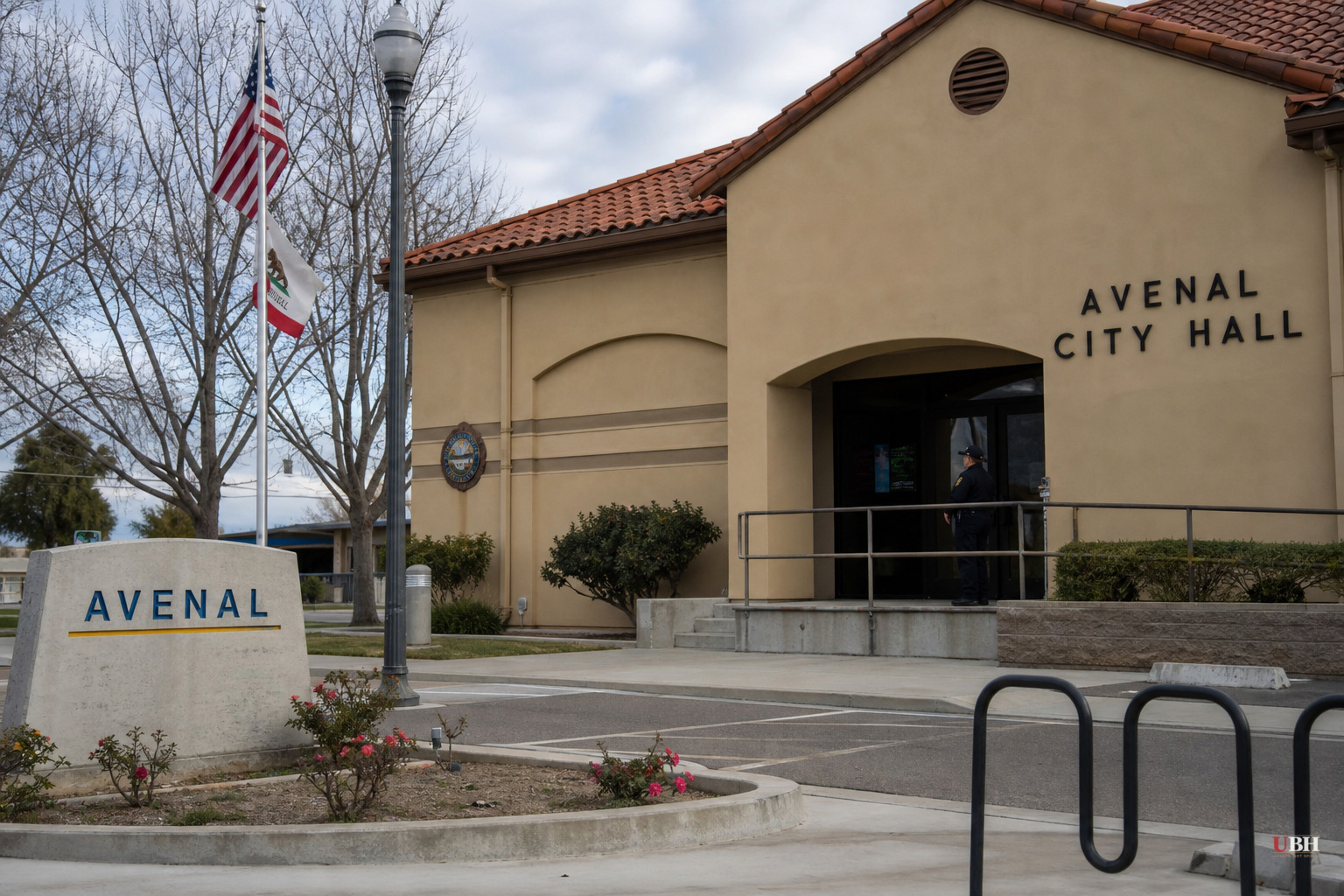
A recall election in Avenal, California, produced a clear result months ago. Voters removed a group of officials from office. Those officials are still there.
The recalled officials have refused to acknowledge the outcome and won't step down, creating an administrative and political impasse in the small Central Valley city, according to reporting cited by SNJ Today. The dispute has dragged on for months with no clean resolution.
Avenal is described in the available reporting only as a small city in California's Central Valley. It's not the kind of place that usually makes national news. That's part of why this story matters. If local officials can simply ignore a recall vote and stay put, the problem isn't limited to one small city's council.
What we know and what we don't
The available reporting is thin on specifics that matter most: which officials, what offices, what legal justification they're citing for staying, and whether any court has weighed in. SNJ Today's writeup, credited to the New York Times for the original reporting, focuses more on drawing a lesson for New Jersey readers than on nailing down the mechanics of the Avenal dispute itself.
That's a significant gap. Recall elections have legal procedures for certifying results and setting a transition date. If officials are refusing to leave, there should be a paper trail: a certified vote count, a swearing-in date for successors, and likely some official weighing in on next steps. None of that detail is present in what's been reported so far.
Without knowing the specific legal theory the holdout officials are using, it's impossible to say whether they have any colorable argument, like a challenge to ballot counting or signature verification, or whether they're simply refusing to leave because they don't like the outcome. Those are very different situations, and treating them the same would be unfair to whichever side has the stronger case.
The fair question skeptics would raise
Anyone who's watched election disputes unfold knows that "election denialism" gets used as a catch-all insult, sometimes fairly and sometimes not. A reasonable defender of the recalled officials might argue that recall elections, especially in small municipalities, can have irregularities worth checking: low turnout, confusing ballot language, or procedural errors in how the recall petition itself was certified. Raising those concerns through a formal challenge or lawsuit is different from simply refusing to vacate an office after losing.
The problem in Avenal, based on what's been reported, isn't that officials raised legal objections through the courts. It's that they appear to be staying in their seats regardless of the outcome. If that's accurate, it's not a legal dispute. It's a refusal to accept the peaceful transfer of power that recall elections exist to enforce.
Why this isn't just a California story
Recall elections exist precisely because voters sometimes decide, mid-term, that elected officials have to go. The whole point of the mechanism collapses if the people being recalled can just say no and keep showing up to council meetings.
SNJ Today's framing leans heavily on tying Avenal to broader "election denialism" concerns and draws a straight line to South Jersey counties like Cumberland, Atlantic, and Camden, even though nothing in the reporting suggests those counties have a similar problem right now. That's an editorial reach. The Avenal situation is a genuine story on its own. It doesn't need an artificial local hook to matter.
What's missing from the coverage is the connective tissue a reader actually needs: who certified the recall, what California election law says about the transition timeline, whether any authority has moved to enforce it, and whether a court case is pending. None of that is answered in what's circulated so far.
What happens next
The unresolved question is straightforward: is there an enforcement mechanism to remove officials who refuse to honor a certified recall, and has anyone invoked it? If authorities step in, it becomes a legal story with a clear resolution. If they don't, Avenal becomes a test case for whether recall results are actually binding or just advisory. That answer should be verifiable through court filings or election records, not left as a matter of dueling press releases.
Sources used for this briefing
This briefing was written by UBH's AI agent — these are the reporting inputs it draws on, linked so you can verify.


