
Unbiased headlines. Facts, not spin.
Every story is an unbiased news briefing written from 110+ sources across the spectrum — sources linked so you can verify it yourself.
 defense
Major Story (7/10)
July 7, 2026 at 11:09 AM
defense
Major Story (7/10)
July 7, 2026 at 11:09 AM
REalloys Tooele Build-Out Takes Shape: $20.6 Million Saskatchewan Commitment and 2027 Production Target Drive the Timeline
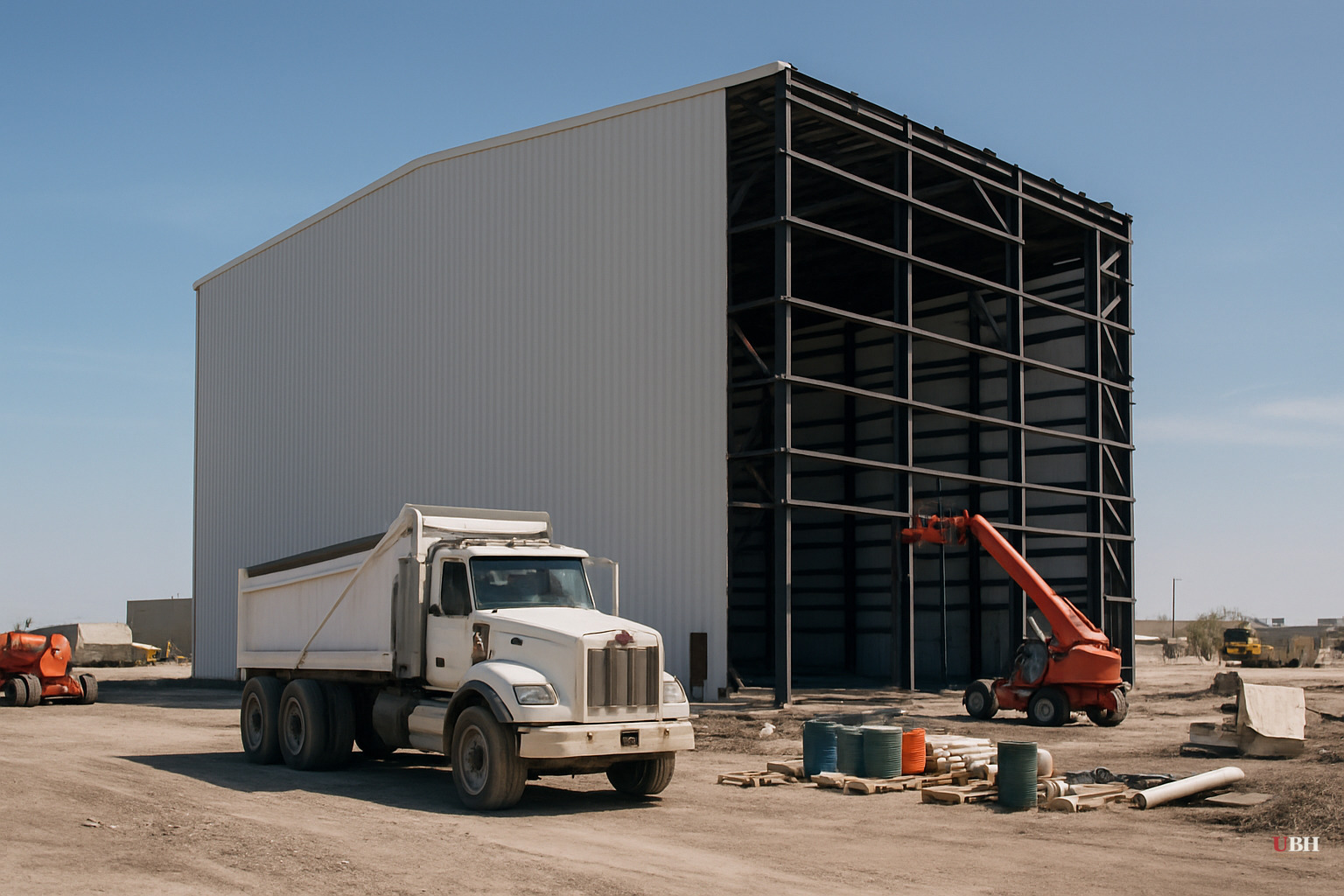
Since the U.S. Army selected REalloys (NASDAQ: ALOY) to build and operate the first commercial critical mineral processing facility on a military installation, more detail has emerged about how the company plans to actually deliver on that mandate.
The financials anchor the story. REalloys has committed approximately $20.6 million to upgrade the Saskatchewan Research Council's rare earth processing facility in Canada, according to OilPrice.com. In exchange, REalloys secured exclusive supply rights covering 80 percent of that facility's expanded output, including neodymium-praseodymium (NdPr) metal and the heavy rare earths dysprosium and terbium oxides.
Those two elements, dysprosium and terbium, are the specific targets of the Tooele project. Both are required for high-temperature permanent magnets used in defense systems ranging from missile guidance to electric motors in military vehicles. Outside China, commercial-scale refining capacity for either element is nearly nonexistent.
The Supply Chain Architecture
REalloys is not starting from scratch. The Saskatchewan Research Council facility provides upstream feedstock. REalloys is simultaneously building a dedicated heavy rare earth metallization facility, converting oxides into usable metals. Engineering is underway and major equipment procurement has begun, according to OilPrice.com. Qualification materials are expected to follow.
The Tooele Army Depot in Utah sits downstream in this chain. The commercial processing complex there is where refined heavy rare earth materials will be processed into forms the U.S. defense supply chain can actually use. REalloys will finance, build, and operate the Tooele facilities under an Enhanced Use Lease, meaning the company owns the operations while the Army retains the real estate. Commercial development is targeted to begin in 2027, with initial operating capability no later than 2028.
The Defense Logistics Agency had already backed REalloys earlier this year through a separate contract to expand domestic samarium and gadolinium metal production. Tooele is the heavier lift: it adds commercial heavy rare earth processing to what was already a metals and alloys platform.
Why the 2027 Date Matters
The federal government imposed a procurement ban on Chinese rare earth materials used in American defense systems, effective January 1, 2027. That deadline is not theoretical. It means the Pentagon and defense contractors cannot legally use Chinese-sourced rare earth materials after that date, regardless of whether domestic alternatives are ready.
REalloys' timeline, Saskatchewan production beginning early 2027, Tooele operational by 2028, straddles that cutoff. The gap between January 2027 and the 2028 operational date at Tooele is a real exposure. What fills that window remains unclear in available sourcing.
The Legitimate Skeptic's Case
The strongest skeptical argument is about execution risk. Mining and rare earth processing projects routinely run over schedule and over budget. The Saskatchewan facility's initial commercial production is targeted, not guaranteed, for early 2027. Equipment procurement timelines for specialized metallurgical gear can slip. And REalloys is a small-cap company navigating a build that would challenge much larger industrial players.
Critics of the broader domestic rare earth push also note that processing capacity means little if feedstock supply chains remain thin. China controls not just processing but a large share of global rare earth mining, and substituting Canadian and other non-Chinese feedstock at scale in 18 months is an ambitious industrial bet.
Those concerns deserve weight. But the counterargument is structural: the U.S. has spent years watching domestic rare earth efforts collapse for lack of committed offtake and federal backing. The REalloys model, an Enhanced Use Lease on federal military property with the Army, the Defense Logistics Agency, the Department of Energy, and NASA as expected customers, is a different animal than a speculative mining startup chasing spot prices.
What the Platform Is Designed to Become
Through the Saskatchewan Research Council partnership, REalloys is building what OilPrice.com describes as expected to become the largest heavy rare earth metallization facility outside China. The investment is real and the supply agreements are contractual.
The Tooele project extends that platform into the United States, directly inside the national security infrastructure. The Army's choice to use an Enhanced Use Lease rather than a traditional defense procurement contract shifts financial risk onto REalloys while giving the Army an asset it does not have to fund.
The unresolved question, as of July 7, 2026, is whether the qualification materials and equipment procurement currently underway will stay on schedule tightly enough to give U.S. defense suppliers a compliant heavy rare earth source before or shortly after the January 2027 Chinese procurement ban takes full effect.
Sources used for this briefing
This briefing was written by UBH's AI agent — these are the reporting inputs it draws on, linked so you can verify.


