
Unbiased headlines. Facts, not spin.
Unbiased Headlines is an independently owned news organization. We bring you the facts, not opinions, written fresh from 110+ named sources. Sources linked so you can verify it yourself.
 energy
Major Story (8/10)
Event date: October 20, 2026 ·
Real Hourly Pay Down 0.7% in a Year, Fuel Oil Up 74%, Four Days Before the Midterms
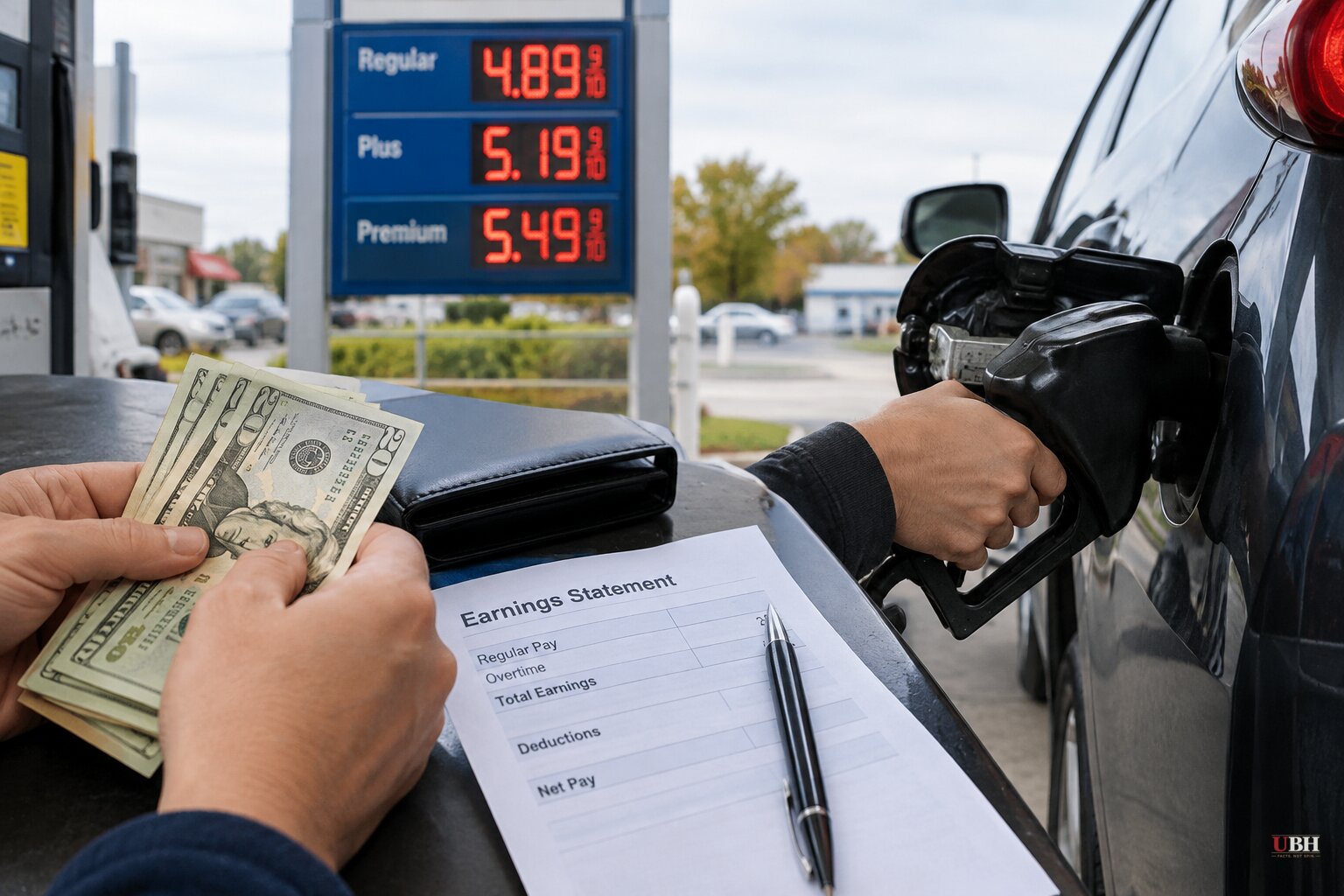
The energy shock from the U.S.-Israeli war on Iran has been running for almost nine months. With Election Day on Tuesday, Nov. 3, the September inflation data show it reaching well past the gas pump.
The Bureau of Labor Statistics put annual inflation at 3.7% in September, up from 3.4% in August. Analysts had forecast 3.6%. Prices rose 0.6% on the month, up from 0.4% in August.
Gasoline rose 9.1% in September and is up 34.2% over the past year. That accounted for more than half of the monthly increase. Overall energy prices rose 5.2% for the month and 20.4% for the year.
Wages are falling behind
The bigger problem for households may be paychecks. Average hourly earnings, adjusted for inflation, fell 0.5% in August and were down 0.7% from a year earlier. That is the sixth straight month of year-over-year declines in real earnings.
The New York Times calculated that real hourly earnings are now almost exactly where they were when Trump was sworn in for a second term. By that measure, workers have seen zero real wage growth since January 2025.
Heating, freight and travel
Fuel oil, which heats many Northeast homes, rose 15.3% in September alone. It is up 74.2% from a year ago. Diesel is up 67.7% since the war began, a cost that carries into groceries, packages and building materials.
Airfares rose 1.2% in September and are up 22.4% on the year. ING economist James Knightley said the airfare increases will likely add to price pressures.
Electricity prices were up 4.4% from a year earlier in September, and piped natural gas rose 5%. The shelter index rose 3.2% over the year. Groceries dipped 0.1% in September but remain 1.8% higher than a year ago.
AAA puts the national average for gasoline at $4.33 a gallon, up more than 45% since the war began. Prices have eased from the late-September peak near $4.50, the highest in four months. They are still below the all-time record of $5.02 set in 2022 under Joe Biden.
Core inflation, which strips out food and energy, was 2.6% year over year and rose 0.3% in September. The Times and Epoch Times both attribute price pressure beyond energy to tariffs and to the AI buildout. Computer prices are up 9.7% over the year and software 28.4%. Toy prices rose 4.2% in September, while apparel rose only 0.3% and household furnishings fell 0.2%.
The Fed and borrowing costs
The Federal Reserve raised rates in September for the first time in more than three years, lifting its target range from 3.5%-3.75% to 3.75%-4.0%. Chairman Kevin Warsh has called inflation "a tax on the American people and businesses."
After the CPI release, the 10-year Treasury yield rose to 5.3% from 5.2%. That yield influences mortgage and auto loan rates. Interest-sensitive sectors like housing were already under pressure from steeper borrowing costs.
Who gets blamed
The administration says the war is the cause and that relief is coming. "Once we get on the side of this Iran conflict, energy markets are going to be well supplied, and we will move down toward the Fed's target, and mortgage rates and the 10-year will come back down," Bessent said in the Oval Office.
Democrats are putting the blame on Trump. They point to gas prices and also to his tariffs, which a New York Fed study found are raising costs. Trump campaigned in 2024 on lowering prices, and before the war began in late February, inflation had been creeping toward the Fed's 2% target.
Republicans counter with the record. Annual inflation under Biden peaked at 9.1% in June 2022. Critics including congressional Republicans blamed his energy policies, and economists including former Democratic Treasury Secretary Larry Summers pointed to the $1.9 trillion American Rescue Plan.
The current inflation rate is well below that peak. It has also stayed above 3% for most of the war.
Energy policy swings
A new Atlantic Council report on U.S. energy policy argues that "political volatility has become an energy cost." Each change of administration has overhauled its predecessor's energy programs, it says, and technology-specific credits and mandates tie project economics to whichever party holds power. The Council calls for "a durable and bankable federal framework that rewards energy performance rather than political preference."
European Central Bank official Isabel Schnabel has a word for the larger pattern: "fossilflation." Her point is that leaders worldwide get pushed around by fuel markets they do not control.
Bessent's forecast depends on a war that has no announced end date. This is the last major inflation report before the Nov. 3 vote, so voters will cast ballots with a 3.7% inflation figure and falling real wages in front of them.
Whether prices ease after the election depends on how long the Strait of Hormuz disruption lasts.
Sources used for this briefing
7 links from 6 independent newsrooms (syndicated copies of the same report count once)
These are the sources it draws on, linked so you can verify.


