
Unbiased headlines. Facts, not spin.
Unbiased Headlines is an independently owned news organization. We bring you the facts, not opinions, written fresh from 110+ named sources. Sources linked so you can verify it yourself.
 energy
Major Story (8/10)
Eleven EU Countries Pledge 20.5 Million Barrels of Diesel From Reserves by End of January, Ask Brussels to Track Releases
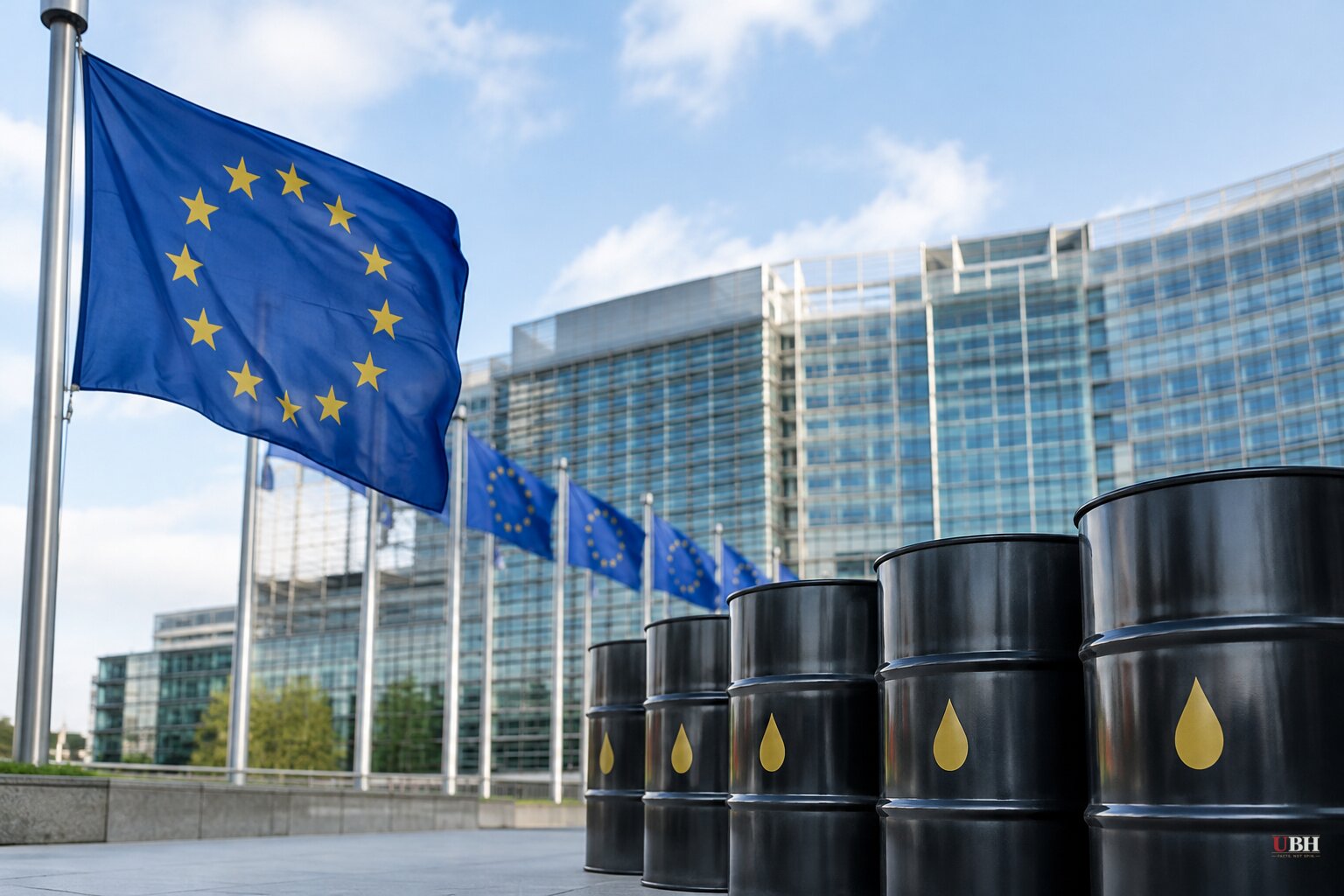
Eleven EU countries have pledged to release 20.5 million barrels of diesel from strategic reserves by the end of January 2027, according to a joint declaration. French Energy Minister Roland Lescure presented the initiative on the sidelines of the energy ministers' gathering in Luxembourg on Oct. 29.
The signatories are Belgium, Denmark, France, Germany, Greece, Italy, Lithuania, Luxembourg, the Netherlands, Portugal and Sweden. AFP's count of the group is a dozen countries, adding Latvia.
The declaration follows the G7 leaders' statement on energy security and an urgent call for action from the International Energy Agency.
"We, the undersigned EU members of the International Energy Agency (IEA), have taken and are taking decisive actions to increase the supply of crude and refined products in the short term through the release of significant volumes of strategic reserves, including diesel," the declaration says.
The numbers behind the pledge
EU Energy Commissioner Dan Jørgensen told reporters that member states "reaffirmed their commitment to an accelerated release of 42.6 million barrels from strategic reserves over the next months, and around half of this will be diesel."
That is the 20.5 million barrels of diesel in the declaration. The European Commission's oil monitoring group has described the diesel market as "remaining tight."
Brent crude was trading at $112 a barrel on Oct. 20, up from roughly $40 before the war. West Texas International crude was at $95 a barrel on Oct. 14.
The EU is exposed because diesel disruptions in refined fuel markets affect road transport, freight, agriculture and industry. The prolonged war in the Middle East, including attacks on Gulf refineries, and Ukrainian strikes on Russian refineries have put further strain on an already tight global diesel market, driving up energy prices.
Supply versus price
Brussels says it does not see a physical shortage coming. "We do not expect the security of supply issue as such," Jørgensen said. "But for the citizens that are struggling to pay the bills, that might not matter."
He argued that skyrocketing prices will end up depriving the most vulnerable. Analysts cited by Euronews describe stock releases as a temporary measure and not a solution to underlying vulnerabilities in the bloc's energy system. They argue emergency oil stocks cannot compensate for disruptions to refining capacity or international supply chains.
What the eleven want from Brussels
The governments urged the Commission to coordinate monitoring through its oil monitoring group. They want Brussels to collect monthly data on the volumes released, the types of products and the timing of deliveries.
The stated aim is to give global markets greater visibility over the additional supply and to help governments coordinate further responses if conditions deteriorate.
The declaration also stresses Europe's refining industry. EU governments want the Commission-led group to monitor refinery output and encourage producers to increase capacity where possible. The Commission has recently launched a strategic dialogue with European refineries and fuel producers to strengthen security of supply.
FuelsEurope, the trade body representing the European refining industry, said the bloc needs an "approach that protects the competitiveness of its refining industry" and asked Brussels to create the necessary investment conditions for its transformation.
Washington's pressure and the Russian diesel deal
The Europeans are acting under U.S. pressure. AFP reports President Donald Trump ramped up pressure on Europe to release reserves after the U.S.-Israeli war with Iran sent energy prices skyrocketing. High fuel costs have become a key issue ahead of the congressional elections.
The G7 pledge to release 100 million barrels of diesel and crude came after Trump threatened a diesel export ban, AFP reports. In mid-October the IEA said members would complete the remaining releases of around 100 million barrels of the 400 million pledged in March. About 330 million had been released by then, with the United States accounting for more than 40 percent.
Separately, Trump said a deal was reached after he spoke with Russian President Vladimir Putin. Kremlin spokesman Dmitry Peskov said "fairly large quantities of diesel are being released" onto global markets, with "a certain positive effect" on stabilization, though it would not be able to fully stabilize them.
Deputy Prime Minister Alexander Novak said Russia has lifted its self-imposed diesel export ban for most buyers outside Central Asia. He said exports could reach 3.0 to 3.5 million metric tons a month by the end of the year, and claimed global diesel prices have already dropped by "five to six percent."
That is Moscow's account. Trump said Russia would supply over 300,000 metric tons of diesel immediately, with another 500,000 tons expected by November and another 1,000,000 tons "immediately thereafter." Critics said the volume is not nearly large enough to satisfy U.S. diesel demand, much less ease the global supply problem.
Peskov said European countries took a "destructive position" and subjected the deal to harsh criticism. Novak called Europe's opposition hypocritical because it still buys other Russian energy products, which he put at $320.7 billion since the beginning of Russia's invasion of Ukraine.
Ship trackers said a tanker loaded with some 40,000 metric tons of ultra-low-sulfur diesel departed from Primorsk, bound for Morocco.
The Middle East keeps pushing the other way. Iran has said it is stepping up strikes around the Strait of Hormuz in response to the U.S. blockade of its ports, and the Houthis said they would launch more attacks against Saudi oil facilities and airports.
Overall progress is due to be reviewed at the Dec. 10 gathering of EU energy ministers, giving them a chance to assess implementation before the January deadline.
Sources used for this briefing
7 links from 6 independent newsrooms (syndicated copies of the same report count once)
These are the sources it draws on, linked so you can verify.


