
Unbiased headlines. Facts, not spin.
Unbiased Headlines is an independently owned news organization. We bring you the facts, not opinions, written fresh from 110+ named sources. Sources linked so you can verify it yourself.
 energy
Major Story (7/10)
Exxon CEO Woods Says Company Will Invest Over $100 Billion and Calls Diesel the 'Key Crunch Point'
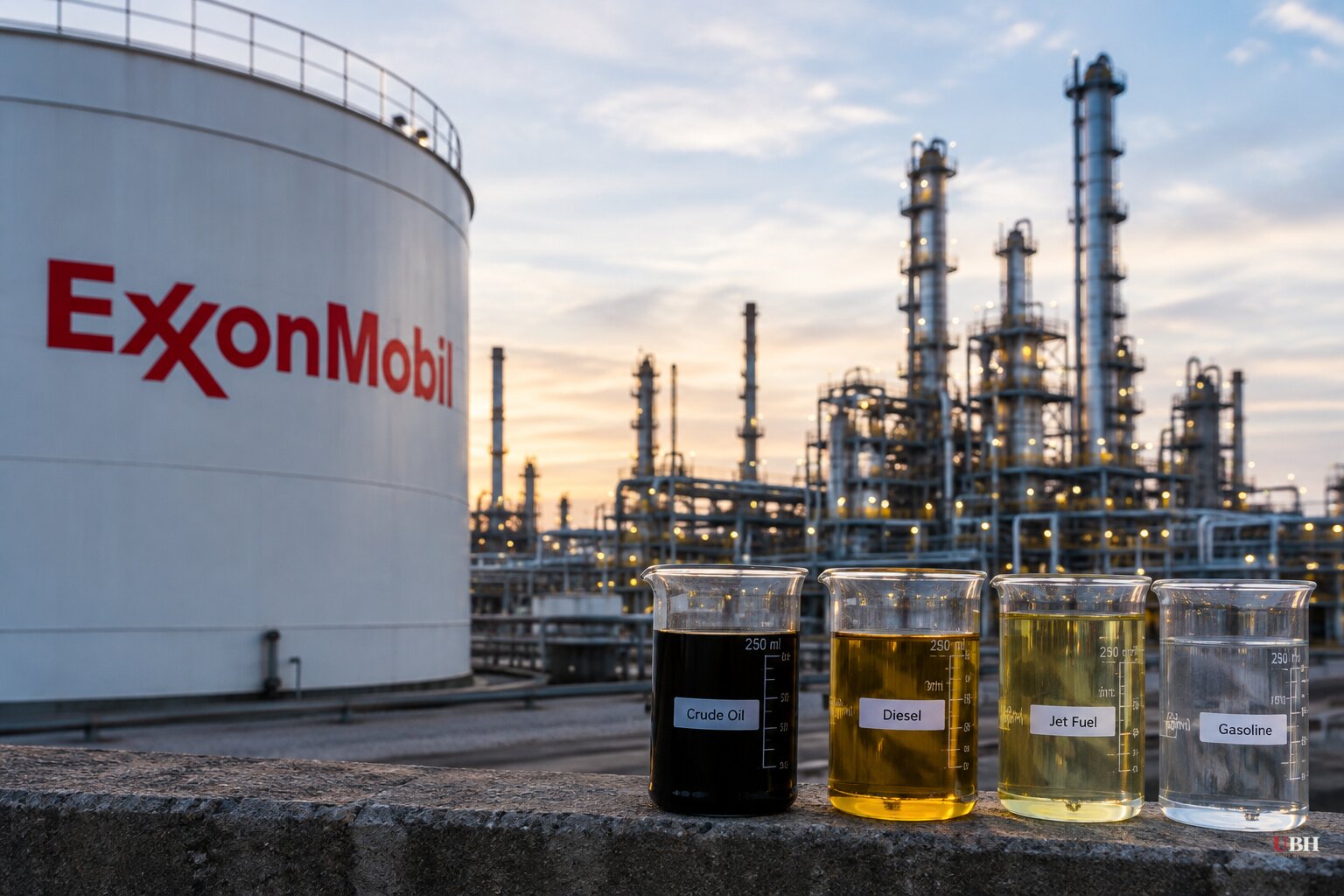
Since Exxon posted third-quarter results that beat Wall Street estimates, CEO Darren Woods has used a CNBC interview today, Oct. 30, to lay out where the money is going and why diesel is at the center of it.
The headline number: more than $100 billion in investment over the next few years, Woods said, to help increase global energy supplies.
He also said Exxon will keep spending "several billion dollars" on its refineries.
Diesel is the choke point
Woods did not describe a crude oil problem. He said crude supplies have somewhat recovered. Refining is the bottleneck.
"Refining capacity is very tight today," Woods said.
"And frankly, diesel is the key crunch point here, because it is so critical to economic growth," he said. Demand for diesel remains high, he added, while capacity does not keep up.
He pointed to two specific disruptions: the closure of the Strait of Hormuz during the U.S.-Israel war with Iran, and Ukrainian attacks on Russian refineries.
The result is record diesel prices, which is the backdrop for the quarter Exxon just reported.
What Exxon says it is doing about it
Exxon's refineries are running at record utilization, Woods said, and diesel yields are at record highs.
The company expects to increase distillate throughput by about 100,000 barrels a day. Woods did not say in the interview excerpts available when and where that capacity comes online.
For scale, that is a modest addition against global diesel demand. It is also real barrels from existing assets, which is the kind of fix that can arrive faster than a new refinery.
The profit question
The CNBC anchor asked Woods how President Donald Trump and others might react to huge profits at a time of record diesel prices. Bloomberg reported that Woods responded by urging would-be critics to keep the bigger picture in mind, a move Bloomberg characterized as getting ahead of criticism over war-driven windfall profits.
The numbers give critics something to point at. Exxon's third-quarter revenue came in at $113.16 billion against an analyst estimate of $105.24 billion, according to data from Fiscal.ai.
Exxon's own case, as Woods framed it, is that the money is being put back into supply: refinery upgrades, higher throughput and the $100 billion-plus investment plan. Diesel is a cost input for trucking, farming and construction, so added output is the direct remedy for the shortage he described.
The interview left a gap between investment and price relief. Exxon's added capacity is measured in the low hundreds of thousands of barrels a day, and Woods tied the shortage to events he does not control: a closed strait and Ukrainian attacks on Russian plants.
Market reaction
Exxon shares were up about 1.9% in early trading today and hit an all-time high, according to Stocktwits' report published at 9:50 a.m. ET.
Brent crude has traded above $100 a barrel after Middle East attacks, which analysts cited by MarketBeat have linked to the stock's recent gains. Erste Group raised its fiscal 2027 earnings-per-share forecast for Exxon to $11.81 from $11.12.
Institutional holders keep adding. MarketBeat's tally of recent 13F filings shows Woodward Diversified Capital LLC took a new stake of 60,235 shares, worth about $9.8 million, in the third quarter, while Lmcg Investments LLC opened a position valued at about $13.3 million. Institutions and hedge funds own 61.8% of the stock.
What remains unclear
Woods has not said how much of the $100 billion-plus goes to refining versus upstream projects, or over what exact period. The Bloomberg headline carries a 2030 date for the spending, but Woods described the window as "the next few years."
The larger variable is outside Exxon's control. Woods said crude is recovering but refining remains tight, and the Strait of Hormuz closure he cited has no reopening date in his remarks. Until that changes, the extra 100,000 barrels a day Exxon is promising will be competing with a supply shock many times its size.
Sources used for this briefing
4 links from 4 independent newsrooms (syndicated copies of the same report count once)
These are the sources it draws on, linked so you can verify.


