
Unbiased headlines. Facts, not spin.
Unbiased Headlines is an independently owned news organization. We bring you the facts, not opinions, written fresh from 110+ named sources. Sources linked so you can verify it yourself.
 energy
Breaking / Critical (9/10)
Oil Stays Near $112 to $118 After Hormuz Tanker Attack as Stocks Slide and Midterm Strike Talk Builds
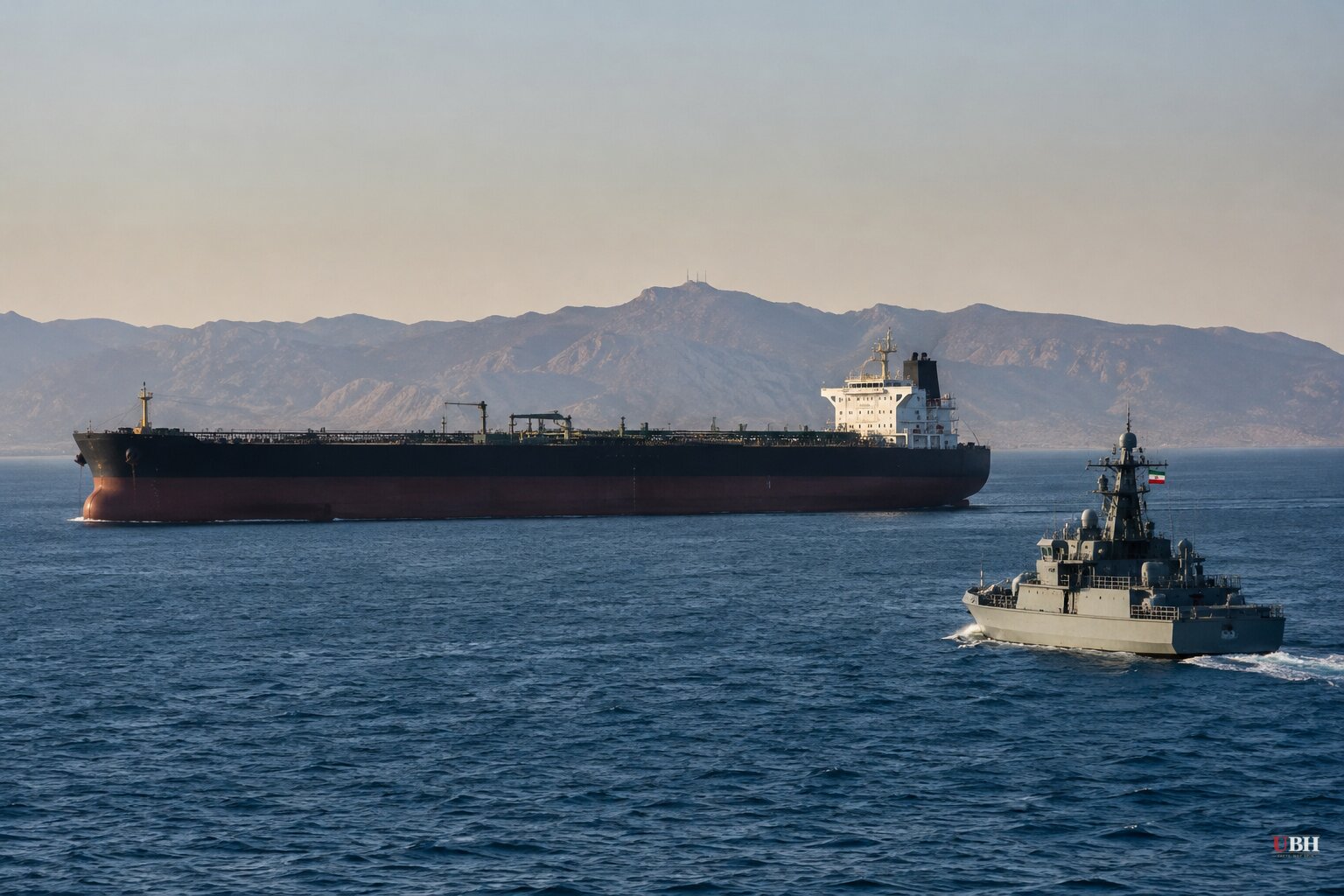
Hormuz has been setting the price of oil, and Thursday's attack on a tanker in the Strait has pushed it up again on Friday, Oct. 30.
Brent rose as much as 2.5% in early trading to about $117.76 a barrel. Later in the session AP put Brent at $112.86, up 1.9%, near the high end of its range since the war with Iran sent oil prices and inflation higher. WTI was up 1.7% at about $103.50.
Gold slipped below $4,000. Treasury yields eased as investors bought government bonds in search of safety. AP reported the 10-year yield at 4.95%, down from 4.98% late Thursday and from more than 5.30% earlier this month. Earlier in the day, a market report had it down 3 basis points to 4.91%, near a six-week low.
What the maritime agency says happened
UK Maritime Trade Operations, which monitors shipping security, said an unspecified number of people in a small boat attached explosives to the outside of the tanker on Thursday. The blast came above the waterline. Bloomberg reported it damaged the ship's engine.
No one was hurt. A fire temporarily disabled the vessel, but it continued on its journey, according to the agency.
Bloomberg described it as the first attack of its sort in the current conflict and a tactic Iran has used against commercial shipping before. Other reports said the small boat attached two explosive devices to the hull and that the identity of those responsible was not immediately established.
Iran's account
Iran has put out a different picture. It claims two oil tankers were hit and stopped in Hormuz. The maritime agency's account covers a single vessel that kept going. The two versions have not been reconciled.
Bloomberg also carried headlines saying Iran will take action against Sinokor ships in Hormuz, that Iran received a letter from Vance and signaled no shift in its peace-deal terms, that Supreme Leader Ali Khamenei reiterated conditions for ending the war with the US, and that a Qatari delegation is in Iran for talks as US strike fears mount.
Strike talk and the political calendar
Market commentary on Friday pointed to reports that the US could strike Iran after Tuesday's midterms. The Wall Street Journal and Axios reported that a senior military commander had briefed President Donald Trump on possible military options for a resumption of major combat operations against Iran. The oil move reflects expectations, not a confirmed decision.
Bloomberg framed the standoff as Iran's long game colliding with America's political clock.
The Houthis separately claimed attacks on Saudi oil facilities. That claim comes from the group itself.
Oil companies and the broader tape
Exxon and Chevron both reported sharply higher quarterly profits, and their shares moved up before the opening bell. Market reports said both posted record refining profits. By late morning, AP had Exxon up 1.2% and Chevron up 2.6%.
Meanwhile the sell-off in technology stocks is the dominant story on Wall Street today. As of 11:48 a.m. ET, the S&P 500 was down 1.6% and on track to erase its October gain. The Nasdaq composite was down 2.5% and the Dow down 0.7%, or 380 points.
The damage traces to company results, not to the Gulf. Intel fell 28.6% after giving a fourth-quarter profit forecast far below analyst expectations. Amazon reported weaker profit than expected and said it burned through $42.4 billion in free cash flow over the prior 12 months while spending $94.8 billion on property and equipment, mostly for AI. Alphabet fell more than 12% on Thursday for its worst day on record.
Analyst Daniela Hathorn of Capital.com said investors now want proof that heavy AI spending turns into revenue, margins and free cash flow. Yahoo Finance noted the rising crude price as an added source of uncertainty, but the AI-spending worries were the main driver cited for the stock decline.
What comes next
The Qatari delegation in Tehran is a live diplomatic channel. Tuesday's midterms are the date market commentary has circled for a possible resumption of US strikes. Iran's threat against Sinokor vessels is a separate shipping risk. Who carried out Thursday's attack remains unanswered.
Sources used for this briefing
8 links from 6 independent newsrooms (syndicated copies of the same report count once)
These are the sources it draws on, linked so you can verify.


