
Unbiased headlines. Facts, not spin.
Unbiased Headlines is an independently owned news organization. We bring you the facts, not opinions, written fresh from 110+ named sources. Sources linked so you can verify it yourself.
 energy
Major Story (8/10)
Five Oil Majors Post $56.3 Billion Third-Quarter Profit as War Sidelines 10% of Fuel-Making Capacity
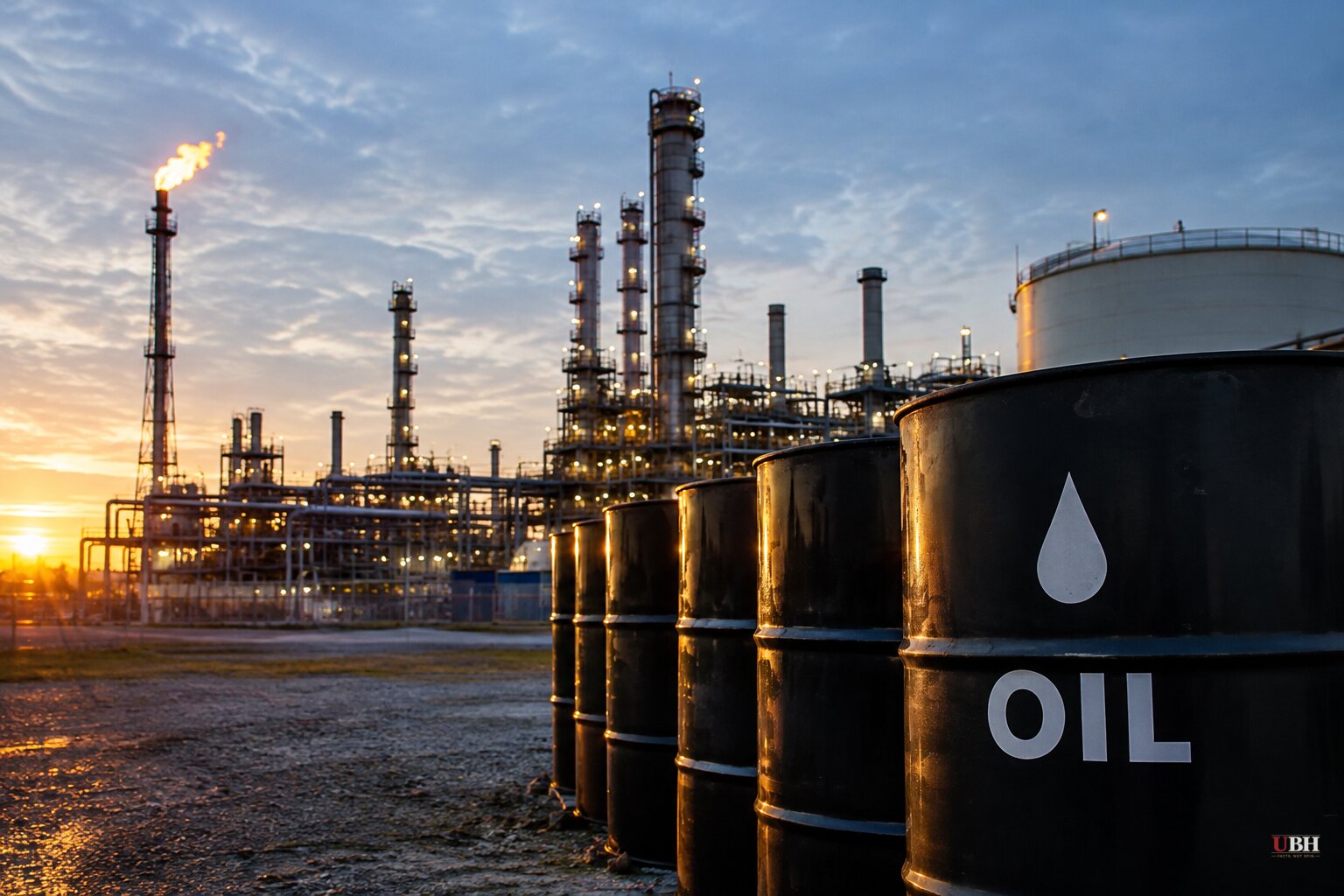
Since the U.S. and Israel attacked Iran in late February, international oil prices have climbed almost 60%. Today, Oct. 30, the full third-quarter tally for the five Western supermajors is in: $56.3 billion in combined adjusted net income, and every one of them beat expectations.
The five are ExxonMobil, Chevron, BP, Shell and TotalEnergies. Shell and Total reported earlier in the week. Exxon and Chevron followed this morning.
Refining is where the money was
The fighting in the Middle East and Ukrainian strikes on Russian facilities have sidelined about 10% of the world's fuel-making capacity, according to Bloomberg's reporting. Plants that are still running are collecting outsized margins.
Exxon's refining division earned a record $9.05 billion in the quarter, almost five times a year earlier, the company said in its statement. Chevron's refineries earned $4.93 billion, also a record and four times the year-ago figure.
BP said more than half of its $8.46 billion in adjusted net income came from the unit that includes refining and trading.
Exxon's adjusted earnings were $4.23 a share, 10 cents above the average analyst estimate. The company raised its dividend for the 44th straight year and said it will keep $20 billion in annual buybacks. Exxon calls the quarter its fourth-highest profit in 156 years.
Exxon reported net income of $15.4 billion, roughly double last year's, and $17.5 billion excluding one-time charges. Chevron's adjusted figure was $10.4 billion, nearly triple a year earlier, according to People's World's tally of the releases.
Exxon shares rose as much as 2.5% in New York on the news, and Chevron gained as much as 2.1%. BP rose as much as 1.8% in London.
What drivers are paying
AAA put the national average for regular gasoline at $4.23 a gallon on Oct. 29, against $3.04 a year ago. Diesel averaged $6.33, against $3.68 last fall, according to AAA figures cited by People's World.
Consumer prices rose 3.7% over the year ending in September, the fastest pace since May. Gasoline accounted for more than half of September's jump, according to the same account. Moody's Analytics estimates the average household has spent an extra $1,184 on fuel since the war began.
That is the political problem. Bloomberg reported that high fuel prices are turning Republican strongholds such as Texas, Kansas and Alaska into battleground states ahead of midterm elections that will decide control of Congress.
Trump's shifting message
Trump has said fuel prices will come down "very soon," at a rally in Texas this week. A few days earlier he praised U.S. oil companies for making "a freaking fortune" for the country. Over the summer he had criticized them for "making too much money."
Prices are higher on average during his second term than under Joe Biden. At an Oct. 24 rally in Georgia, Trump said advisers had urged him not to boast about oil money while people pay more at the pump, and that he didn't "give a damn," according to People's World's account of the event.
Democrats on the Joint Economic Committee have separately reported that Trump's oil and gas stock holdings are worth as much as $81.6 million, up from a maximum of $46 million at the end of 2025. The report is a partisan product and the White House has its own account of those holdings.
The argument over sanctions
Not everyone blames the war alone. Mike Fredenburg, in an Epoch Times commentary dated Oct. 24, argues that U.S. and European sanctions on Russian oil made the world more dependent on Middle Eastern supply, which Iran and the Houthis now threaten. He says that put American buyers in direct competition with Europe for U.S.-produced oil, gas and diesel.
Fredenburg also argues that prices would have been far worse without the expansion of U.S. energy production under Trump's two terms. He holds that European diesel imports from Russia fell from over half of Northwest Europe's supply to almost none after the 2023 ban. That is his analysis, and it is an opinion piece rather than an agency finding.
What comes next
The Iran conflict is entering its ninth month. More ships are now passing through the Strait of Hormuz, but Bloomberg reported that the disruption to energy markets shows little sign of easing.
Markets have leaned on strategic and commercial stockpiles to this point. With those buffers running low, price volatility is forecast to escalate. If that happens before the midterms, the profit figures that arrived this week will be a ready-made campaign issue.
Sources used for this briefing
7 links from 7 independent newsrooms (syndicated copies of the same report count once)
These are the sources it draws on, linked so you can verify.


