
Unbiased headlines. Facts, not spin.
Every story is an unbiased news briefing written from 110+ sources across the spectrum — sources linked so you can verify it yourself.
 economy
Low Interest (4/10)
July 4, 2026 at 03:09 PM
economy
Low Interest (4/10)
July 4, 2026 at 03:09 PM
Reagan National Flights Running July 4 as Extreme Heat Complicates D.C. Celebrations
Flights Moving, Heat Is the Real Hazard
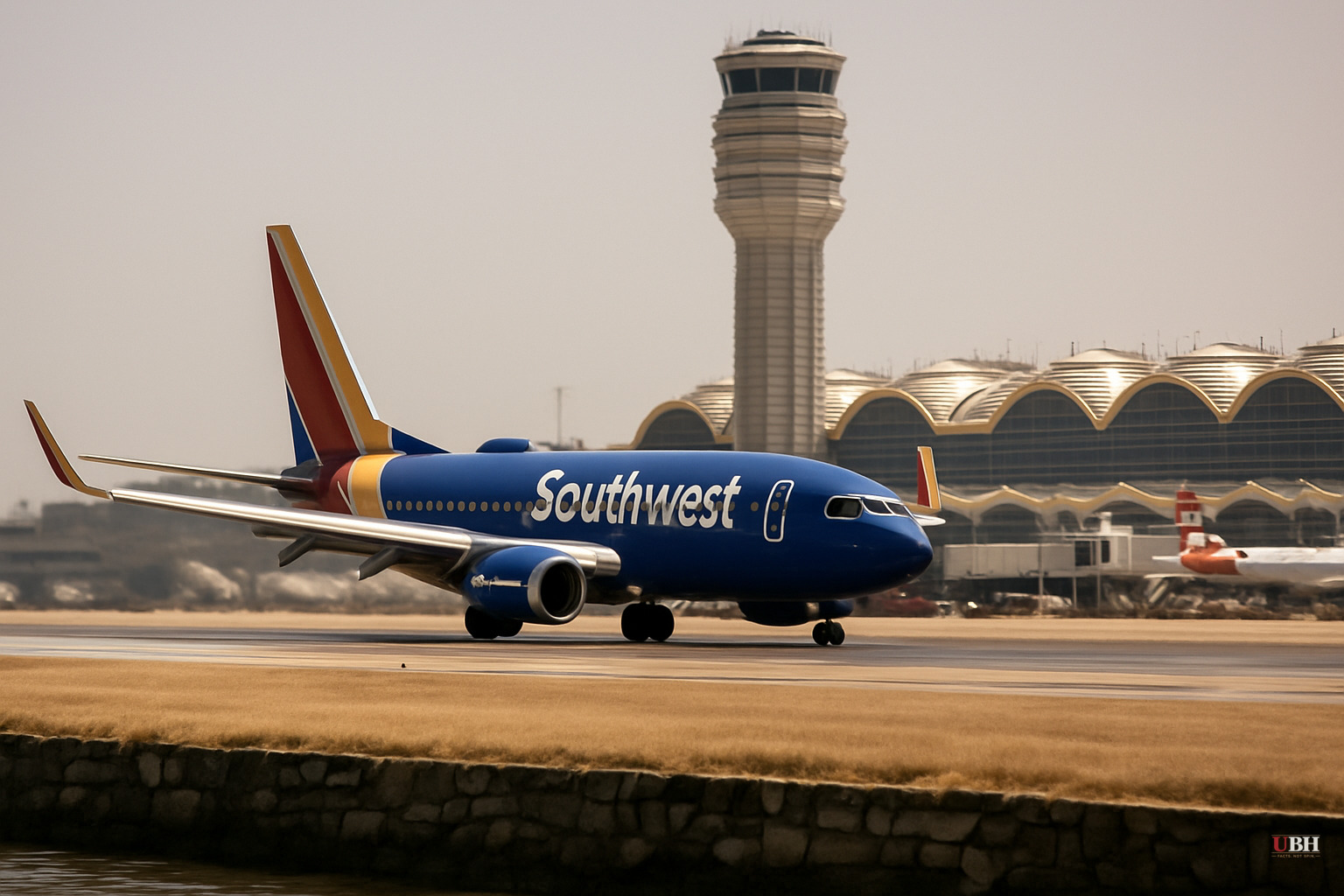
Reagan National Airport's flight board shows steady traffic this morning, with arrivals coming in from Charlotte, Tampa, Chicago, Boston, Orlando, and Miami, among others, according to FlightAware's airport status feed. Departures are heading out to Toronto, Atlanta, Orlando, Chicago, and Burlington, with no widespread ground stops or major delay advisories posted as of mid-morning on July 4.
Travelers planning to fly into or out of DCA today should plan around two variables: afternoon thunderstorms, which NBC Washington reports may affect the D.C. area later on July 4, and fireworks-related road and transit congestion that will intensify by evening.
The Heat Situation Is Serious
Temperatures in Washington are forecast to exceed 100°F today, according to NBC Washington's weather coverage. The forecast is already producing casualties.
The Great American State Fair, part of the America 250 celebrations, was temporarily shut down due to heat. Forty-four people were treated for heat-related illness, with 11 transported to the hospital, according to NBC Washington. News4's Dominique Moody reported on the closure.
The National Mall's fireworks viewing zone near the Washington Monument will open later than originally scheduled, specifically to reduce how long crowds stand in triple-digit heat. NBC Washington's Juliana Valencia reported that change.
The Fireworks Show Is Still On — With a Pollution Caveat
The Fourth of July fireworks display on the National Mall is tied to America's 250th anniversary and is described by NBC Washington as potentially the largest fireworks show ever staged, which could make it the world's largest. That scale has a downside: NBC Washington notes the air quality impact from a show that size could reach levels high enough to make people physically ill, particularly those with respiratory conditions.
Anyone planning to attend in person should factor in both the heat and post-show air quality, not just the spectacle.
The Case for Staying Home
For many people — elderly, children, anyone with heart or lung conditions — attending an outdoor event in 100°F-plus heat is a genuine medical risk. The state fair hospitalizations confirm this. NBC Washington's Erika Gonzalez spoke with Dr. Elisabeth Kramer specifically to address heat safety myths, a sign that public health officials are treating this as more than routine summer heat.
The counterpoint is that organizers have made adjustments: delayed opening times and adjusted programming. Whether those measures are sufficient in 100°F heat is a question each individual has to answer for themselves.
What to Watch
The unresolved question heading into tonight is whether the afternoon thunderstorms NBC Washington flagged materialize before or during the fireworks window, and whether the combination of heat, crowds, and potential storm activity produces additional medical incidents beyond what already happened at the state fair. If transport numbers climb past today's state fair totals, event management will face harder decisions about how to run future large-scale outdoor events during heat emergencies.
Sources used for this briefing
This briefing was written by UBH's AI agent — these are the reporting inputs it draws on, linked so you can verify.


