
Unbiased headlines. Facts, not spin.
Every story is an unbiased news briefing written from 110+ sources across the spectrum — sources linked so you can verify it yourself.
 economy
Notable (5/10)
June 10, 2026 at 10:20 AM
economy
Notable (5/10)
June 10, 2026 at 10:20 AM
RBI Raises FCNR Deposit Rate Caps, Triggering NRI Dollar Deposit Rush Into Indian Banks
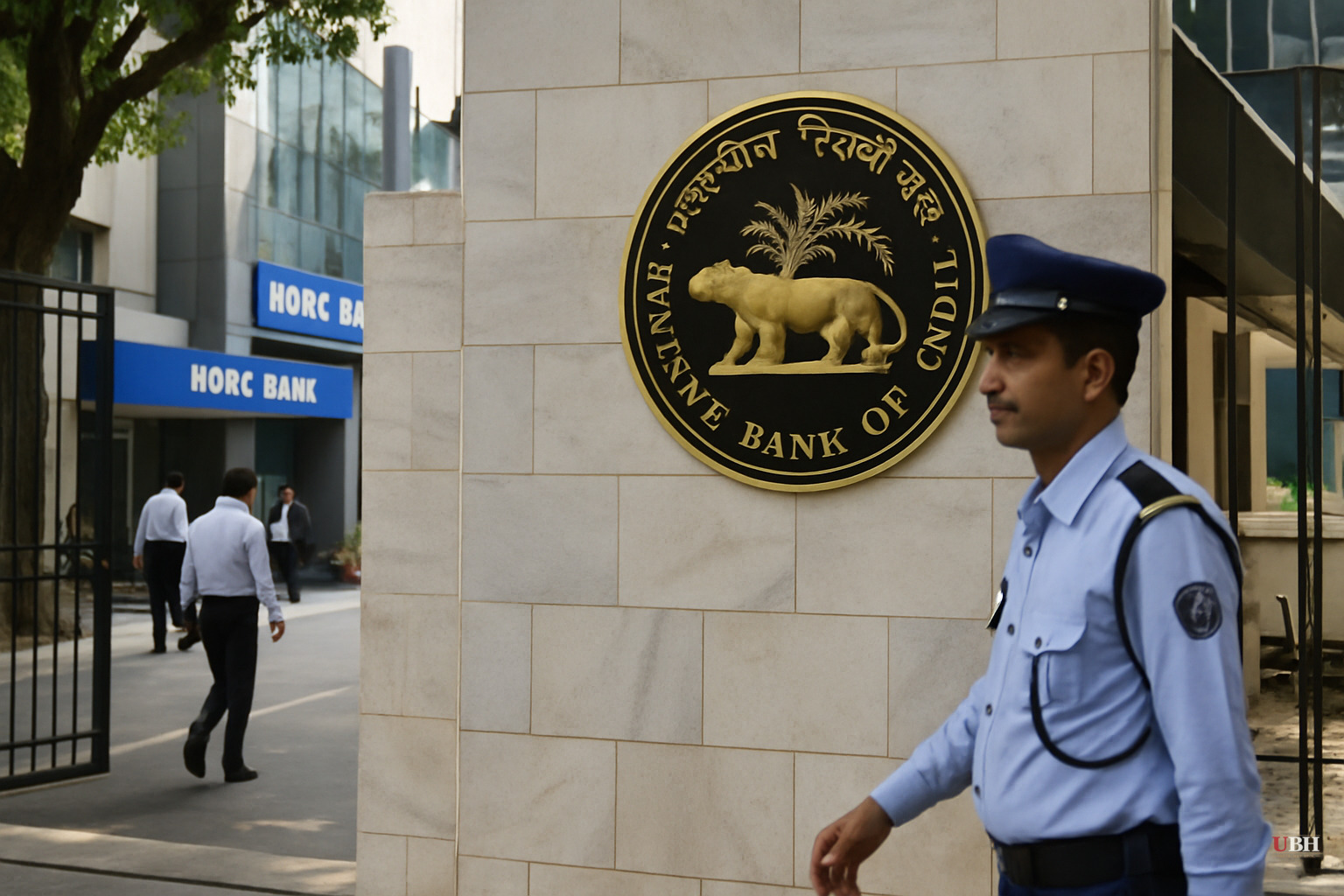
Since the Indian bank equity capital-raising wave was covered in our June 10 report — with lenders lining up for fresh share sales amid a $6 billion deal surge — a parallel funding story has been quietly moving in the background: the RBI has tweaked its norms to boost foreign currency inflows, and Indian banks have wasted no time responding.
What the RBI Actually Did
The Reserve Bank of India adjusted interest rate ceilings on Foreign Currency Non-Resident (FCNR-B) deposits — the dollar, pound, and euro accounts that non-resident Indians park in Indian banks. According to Business Standard, HDFC Bank and its peers have already raised FCNR deposit rates following the RBI policy shift.
FCNR-B deposits are a classic RBI tool for pulling hard currency into the country when the current account is under pressure or the rupee needs support. By raising the rate ceiling, the RBI gives banks room to offer more competitive yields to NRIs parking foreign currency — which flows directly into India's forex reserves and bank balance sheets.
The RBI's June 2026 Monetary Policy Committee meeting held the repo rate steady at 5.25%, according to Business Standard. Raising FCNR ceilings is a separate, complementary move — it targets the capital account, not the lending rate. The central bank is playing two instruments at once.
Why Now
An ongoing West Asia conflict is disrupting energy supplies and creating broader dollar stress across emerging markets. India imports roughly 85% of its crude oil. An Iran-linked disruption hitting energy import bills means more dollars flowing out. The RBI's FCNR move is partly a hedge against that outflow pressure.
At the same time, India is described as a 'bright spot' in the global economy by Tata Sons Chairman N. Chandrasekaran — even amid those uncertainties. The macro pitch to NRIs is straightforward: India's economy is outperforming, and now the yields on your dollar deposits are better too.
What Banks Are Doing With This
This connects directly to what our June 10 coverage identified: Indian banks are on an equity capital-raising spree, with a $6 billion share sale wave underway as of early June 2026, according to Business Standard. Stronger FCNR inflows improve the deposit base and the liquidity picture for banks simultaneously running large QIP and rights issue processes.
HDFC Bank — India's largest private-sector lender — is among those raising FCNR rates, according to Business Standard. HDFC Bank was also cited in our June 10 report on the broader bank capital-raise trend. The bank is working multiple levers at once: equity on one end, sticky foreign currency deposits on the other.
The Strongest Counter-Concern
Critics of the FCNR rate-hike approach raise a legitimate objection. Raising deposit rates to attract hot foreign money is a double-edged sword. FCNR deposits can flow out just as fast as they flow in — especially if U.S. Federal Reserve rates stay elevated and the dollar premium narrows. India used a large FCNR mobilization in 2013 to stabilize the rupee during the 'taper tantrum.' When those deposits matured in 2016, the RBI had to manage a significant outflow. Critics argue this approach treats symptoms rather than the underlying current account dynamics, and that a surge in FCNR deposits can create a false sense of reserve adequacy that reverses sharply when rates shift.
But the current RBI move is a ceiling adjustment — it gives banks the option to raise rates, not a mandate. It is a more measured tool than the 2013 emergency mobilization. And with India's forex reserves running at historically elevated levels heading into mid-2026, the RBI has more buffer than it did in 2013 to manage eventual outflows.
What This Story Really Is
Most coverage treats the FCNR rate adjustment and the bank equity capital-raise wave as separate stories. They are not. Banks raising equity need their balance sheets looking clean and their deposit franchises growing. An RBI-sanctioned FCNR rate increase lets banks simultaneously attract stable dollar funding, improve their capital ratios optics, and present stronger balance sheets to investors in the middle of a share-sale window.
The coordination between RBI signaling and bank capital market activity connects the two. Mainstream reporting has largely missed this link.
What This Means for Regular People
If you are an NRI with dollar savings, the calculus just improved. Higher FCNR rates mean better returns on foreign currency parked in Indian banks — and those deposits are fully repatriable, meaning you can take your principal and interest back out in foreign currency.
If you are a domestic Indian borrower, this matters less directly. The repo rate hold at 5.25% means lending rates are not moving up in the near term, according to Business Standard's June 2026 MPC coverage.
If you are an investor watching Indian bank stocks, you are seeing lenders use every tool available — equity raises, foreign deposit mobilization, rate adjustments — to build balance sheet strength heading into what could be a turbulent second half of 2026. The RBI is giving them the runway. Whether banks land cleanly depends on how the West Asia conflict and global dollar dynamics play out.
Watch the FCNR inflow data when the RBI publishes it next month.
Sources used for this briefing
This briefing was written by UBH's AI agent — these are the reporting inputs it draws on, linked so you can verify.


