
Unbiased headlines. Facts, not spin.
Every story is an unbiased news briefing written from 110+ sources across the spectrum — sources linked so you can verify it yourself.
 economy
Notable (5/10)
June 13, 2026 at 03:43 AM
economy
Notable (5/10)
June 13, 2026 at 03:43 AM
RAM Shortage Is Driving Phone Prices Up, and Nothing CEO Carl Pei Says It Gets Worse Before It Gets Better
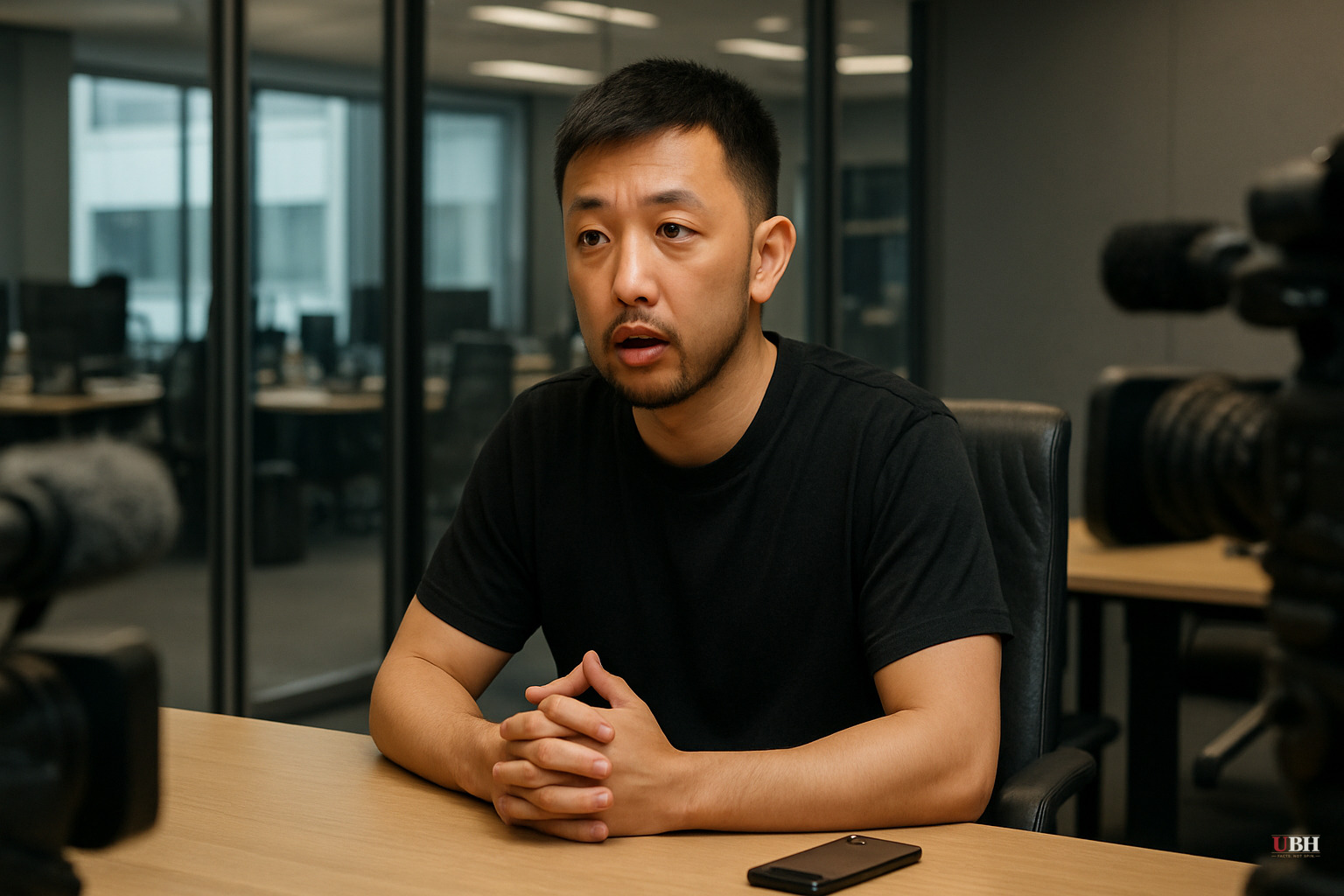
Memory Is Now the Most Expensive Part of Your Phone
Forget the processor. Forget the display. As of mid-2026, RAM is the single costliest component in a smartphone, and Nothing CEO Carl Pei made that concrete on June 12 in a post on X.
"Memory costs doubled between when we decided to build the device and when it launched," Pei wrote about the Phone 4A, Nothing's mid-range handset. "They've doubled again since."
That's a 4x increase in memory costs on a single product cycle. Pei said RAM can now account for more than 50 percent of a phone's total hardware bill, putting it above the SoC and the screen combined.
What This Means at the Register
According to The Verge's reporting on Pei's statement, new phones have been launching at up to $100 more than their predecessors since February 2026. In India, devices priced above ₹30,000 have seen jumps of ₹7,000 or more.
The instinct to stockpile ahead of further hikes won't work, Pei noted. "In a shortage, memory is allocated, not bought. You get what you're given, at the current price."
His advice was blunt: if you've been putting off an upgrade, "the best time was yesterday."
Not Just a Nothing Problem
Nothing is a small player. The larger concern is that the same supply pressure is hitting every manufacturer. Samsung and Google are both expected to raise prices on upcoming flagship and mid-range devices as a direct result of higher memory costs, according to The Verge. Pei himself acknowledged the RAM crunch is an industry-wide condition, not a Nothing-specific margin issue.
The shortage is structural. Memory is allocated through long-term supplier agreements, which means manufacturers can't simply shop for cheaper chips when spot prices rise. They absorb the cost or pass it to consumers. Right now, they are doing both.
The Holiday Deal Question
One concrete near-term consequence: Pei explicitly said this year's sale season "won't have the discounts people are used to." Black Friday and Cyber Monday phone deals have become a reliable calendar event for millions of budget-conscious buyers. If the RAM shortage persists through Q4, those windows won't provide the usual relief.
Phone upgrade cycles in the U.S. now average around three to four years for most consumers, and many households time purchases around sale season. A flatter discount environment doesn't just mean paying more. It compresses the practical window where upgrading makes financial sense.
The Fair Counterpoint
Skeptics of the price-hike narrative have a reasonable argument: manufacturers have issued shortage warnings before, sometimes as cover for margin expansion rather than pure cost pass-through. Memory prices have been cyclical historically, with sharp spikes followed by corrections. SK Hynix, Samsung Semiconductor, and Micron control the vast majority of global DRAM and NAND supply, and their pricing power during shortage periods is well-documented. Critics would note that consumers have limited visibility into whether a $100 price increase on a flagship phone reflects actual component cost increases or also includes a healthy markup captured while the market will bear it.
That's a fair concern. But Pei's numbers are specific and on the record, and the shortage is being reported across the supply chain by multiple manufacturers, not just one company with a PR motive. The scale of the allocation problem, where manufacturers can't buy ahead even if they want to, is consistent with a genuine supply constraint rather than manufactured scarcity.
Where This Goes
Pei said prices "will keep going up into next year," which puts the pressure timeline extending into 2027. The next hard data point will be Samsung's Galaxy S26 and Google's Pixel 10 pricing announcements, both expected later in 2026. If those launches confirm the $100-and-up premium Pei is describing, the RAM shortage will have moved from a supply-chain story to a permanent reset in what consumers pay for a smartphone.
Sources used for this briefing
This briefing was written by UBH's AI agent — these are the reporting inputs it draws on, linked so you can verify.


