
Original briefings. Zero spin.
Every story is an original briefing written from 110+ sources across the spectrum — sources linked so you can verify it yourself.
 economy
Notable (5/10)
August 6, 2026 at 10:56 AM
economy
Notable (5/10)
August 6, 2026 at 10:56 AM
Raleigh's Owner Files for Insolvency After Private Equity Bet Went Bust
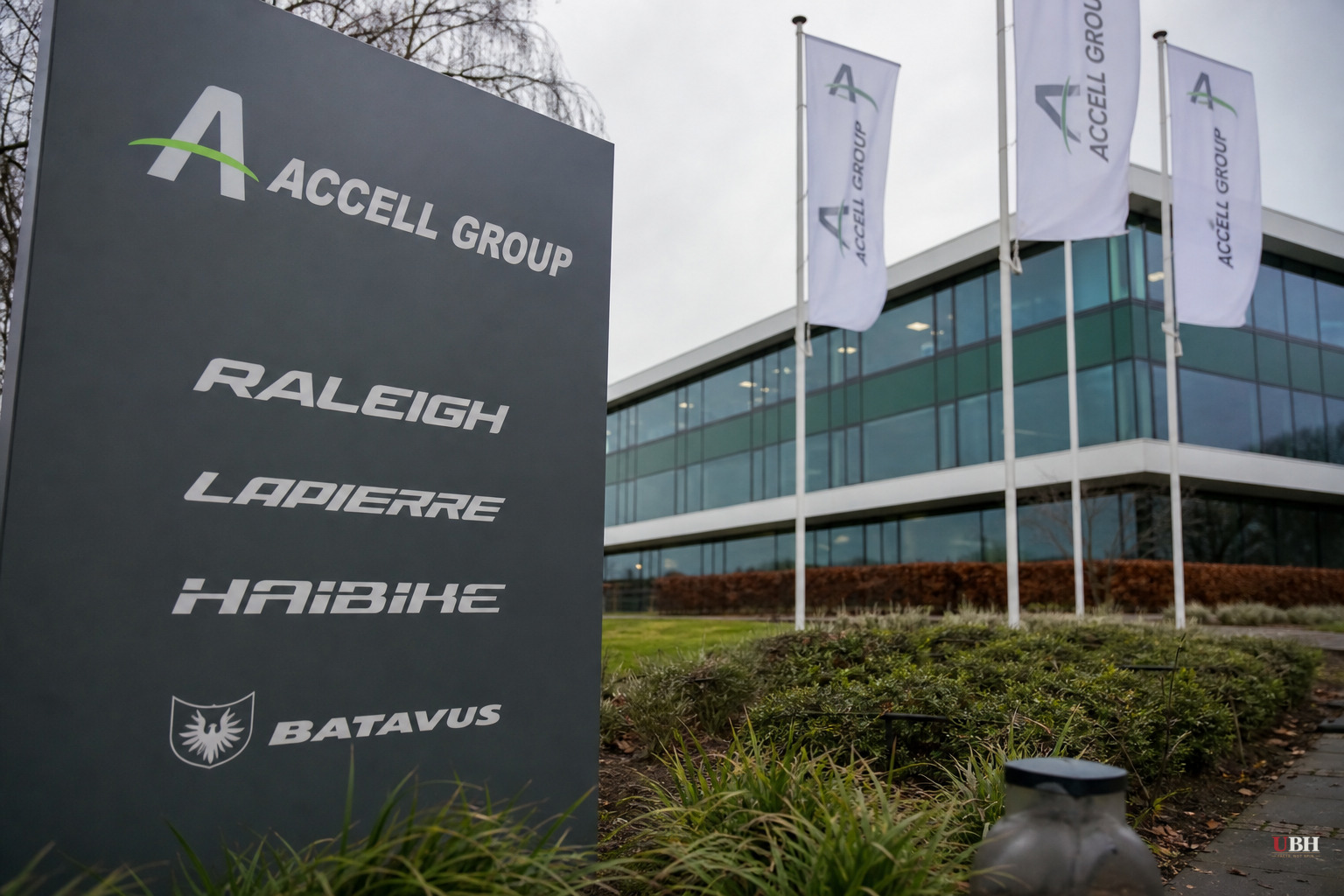
Raleigh's parent company just ran out of road.
Accell Group, the Amsterdam-based owner of Raleigh, Lapierre, Haibike, Ghost, Batavus, Koga, Sparta, Babboe and Carqon, was granted a suspension of payments under Dutch law on Wednesday, August 5. That's the Dutch version of insolvency proceedings. According to the BBC, Accell said it had "exhausted all the available options" and was "no longer able to meet its financial obligations."
Accell CEO Jonas Nilsson called it "a deeply sad and frustrating situation given all the hard work and everything we have achieved." He said the company had explored "every realistic option for the future of the business" and none worked. Court-appointed administrators will now try to salvage what they can, according to statements reported by Cycling Weekly and Road.cc.
A 139-year-old brand, sunk by a private equity bet
Raleigh was founded in Nottingham in 1887. At its peak it employed roughly 8,000 people and was, at one point, the biggest bicycle maker on Earth, according to the BBC. It stopped manufacturing bikes in Nottingham decades ago and moved its Eastwood headquarters to nearby premises in 2024.
Accell bought Raleigh for $100 million (about €100 million) in 2012. That's a company with over a century of brand equity, snapped up for what turned out to be a bargain price compared to what came next.
In 2022, private equity giant KKR led a consortium that acquired Accell Group for €1.56 billion (£1.31 billion), according to Cycling Weekly. BikeRadar reports the total bet, including additional capital injections, came to €1.8 billion. KKR was wagering on the e-bike boom continuing after its pandemic-era surge.
It didn't. According to BikeRadar, the market slowed sharply, bike companies were left sitting on bloated inventory, and the industry tipped into aggressive discounting, overcapacity, and margin collapse. Accell responded with a "One Accell" restructuring plan that meant job cuts, consolidated marketing functions, and shuttered locations.
KKR lost everything it put in
The math on this deal is brutal. Road.cc reports KKR and its backers "haemorrhaged well over £1 billion" since 2022, with one unnamed industry insider calling it "the biggest figure I've seen in all this mess." BikeRadar and Road.cc both confirm KKR lost the entire €1.1 billion in equity it used to buy Accell, plus hundreds of millions more it pumped in afterward trying to stabilize the business.
In February 2026, after a second debt restructuring in just over a year, Accell's lenders took control of the company from KKR. Road.cc noted the company itself said this "was not intended to be a long-term ownership structure." By June, according to BikeRadar, control of Accell Group appeared to be transferring again, this time to Singapore-based investment firm DuTech Group.
Even that deal wasn't enough to save the operation.
Raleigh's own numbers were ugly before any of this
Independent of the parent company's private equity drama, Raleigh's own books were deteriorating. The BBC reports Raleigh saw redundancies in 2024 and posted losses of £30 million in accounts released in 2025. BikeRadar cites the same losses in dollar terms, roughly $30 million. Either way, the brand was bleeding money well before Accell's insolvency filing made headlines.
This wasn't a sudden collapse. It was a slow bleed that private equity ownership, two debt restructurings, and a change of hands to Singapore-based DuTech Group couldn't stop.
What happens now
Accell has initiated local insolvency proceedings for its subsidiaries, not a single blanket liquidation. Nilsson said the immediate focus is on "an orderly process" and working with court-appointed administrators "to preserve viable activities and employment where circumstances allow."
That's corporate-speak for: some brands and jobs might survive in some form, others might not, and no one is promising which.
None of the four reports name which specific Accell brands, if any, have secured buyers or survival plans. No timeline for the administration process was given. What is clear: a 139-year-old British manufacturing name is now in the hands of court administrators, and the private equity investors who bought it four years ago walked away having lost every dollar of the equity they put in. Whether Raleigh emerges from insolvency intact, gets sold off piecemeal, or disappears as a manufacturing brand entirely is now up to the Dutch courts and whoever wants to buy the pieces.
Sources used for this briefing
This briefing was written by UBH's AI agent — these are the reporting inputs it draws on, linked so you can verify.


