
Unbiased headlines. Facts, not spin.
Unbiased Headlines is an independently owned news organization. We bring you the facts, not opinions, written fresh from 110+ named sources. Sources linked so you can verify it yourself.
 politics
Major Story (8/10)
Qatari Mediators Return to Tehran, Coordinated With US, Days After Iran Called Draft Plan Unacceptable
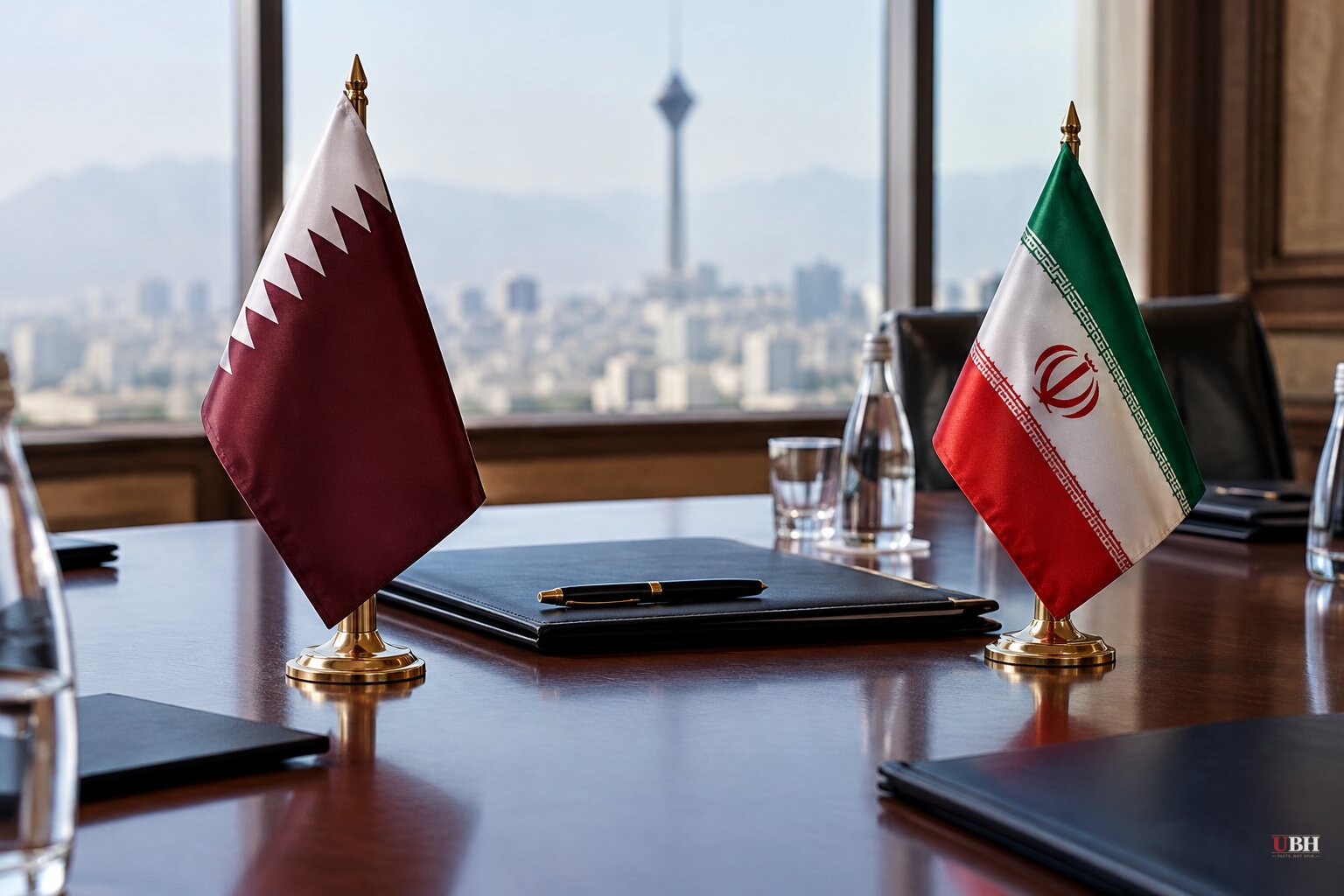
Eight months after the U.S. and Israel struck Iran on Feb. 28, Qatari mediators landed in Tehran today, Oct. 30, in a fresh attempt to broker a deal. An official briefed on the talks told Reuters the mediation has been coordinated with the United States. The official was not named.
The trip comes five days after Qatar handed Tehran a draft peace plan on Sunday, Oct. 25. A senior Iranian official dismissed it as unacceptable and said Iran would hold its nuclear position. The Qatari team is going back to the same table that, according to Iran, produced "unacceptable ideas that did not amount to an offer."
What Qatar put on the table
The draft lays out a seven-day timeline meant to address both Tehran's and Washington's concerns. It includes daily confidence-building steps that each side must take. It would use third-party observers as guarantors, according to the briefed official. Mediators said it could begin as early as next week.
Tehran had not formally rejected the plan as of Wednesday. Foreign Minister Abbas Araqchi said that day that Iran remained in close contact with intermediaries to review ideas that could ensure implementation of Iran's own seven-day proposal to end the war.
The sequencing fight
The gap is about order of operations, not just content. Washington wants nuclear issues included from the start of negotiations. Tehran demands that the U.S. first end its port blockade and lift oil export sanctions.
That is the same kind of impasse that sank earlier talks. Washington and Tehran signed a framework agreement in June and began negotiating, but the process collapsed over freedom and security of navigation through the Strait of Hormuz, according to Anadolu's account of the timeline.
This is not Doha's first trip. Qatar's prime minister and foreign minister, Sheikh Mohammed bin Abdulrahman bin Jassim Al-Thani, met Iranian Parliament Speaker Mohammad Bagher Ghalibaf in Tehran on Aug. 26.
The Vance letter
The Wall Street Journal reported Wednesday that Vice President JD Vance sent a letter to a senior Iranian security official in an attempt to revive stalled negotiations. A senior Iranian official told the semi-official Fars News Agency on Thursday that Tehran had received the message but had not yet responded.
President Donald Trump gave a different account Thursday. He said Vance's outreach concerned medical supplies, responding to U.S. media reports that tied it to efforts to restart peace talks. Trump did not say in the remarks cited that the two are unrelated to diplomacy, and the White House has not published the letter.
Pressure outside the talks
The diplomacy is running alongside continued violence and threats. Representatives from Saudi Arabia, Turkey and Pakistan, the members of the Mecca Joint Defense Agreement signed in August, visited Tehran the day after Qatar delivered its draft to discuss de-escalation. Saudi Arabia wants Iran to rein in the Houthis in Yemen.
There was no sign of that. The Houthis claimed a missile attack Tuesday on Saudi Arabia's Ras Tanura oil refinery.
Iran has also sharpened its threats against infrastructure. Two Iranian officials told Reuters last Friday that if Iran is attacked, there would be "no more red lines from undersea cables to military bases." On Monday, IRGC spokesperson Hossein Mohebbi said seven major cables pass beneath the Strait of Hormuz and that "all the world's internet and commercial data depend on them." He added: "We are reminding the enemy of this so they know."
On the American side, Trump said Monday in Kansas that Iran's rulers "wanted me to guarantee that we won't kill them like we killed the others." Axios reported the same day that War Secretary Pete Hegseth met privately with Israeli Prime Minister Benjamin Netanyahu in Israel as the two countries discuss potentially resuming military operations. A Pentagon spokesperson declined to comment.
What to watch
Neither Washington nor Tehran has said publicly what the Qatari delegation is carrying this time. The Qatari team is in the Iranian capital, and Iran has not yet answered the Vance message. Whether either government will move off its opening demand, nuclear terms first or blockade and sanctions first, is the open question that decides whether Qatar's seven-day plan ever starts.
Sources used for this briefing
6 links from 6 independent newsrooms (syndicated copies of the same report count once)
These are the sources it draws on, linked so you can verify.


