
Unbiased headlines. Facts, not spin.
Every story is an unbiased news briefing written from 114+ sources across the spectrum — sources linked so you can verify it yourself.
 defense
Major Story (8/10)
October 10, 2026 at 01:30 AM
defense
Major Story (8/10)
October 10, 2026 at 01:30 AM
Putin Tells Trump Ukrainian Drone Strikes Derailed Immediate Resumption of Peace Talks, Kremlin Says
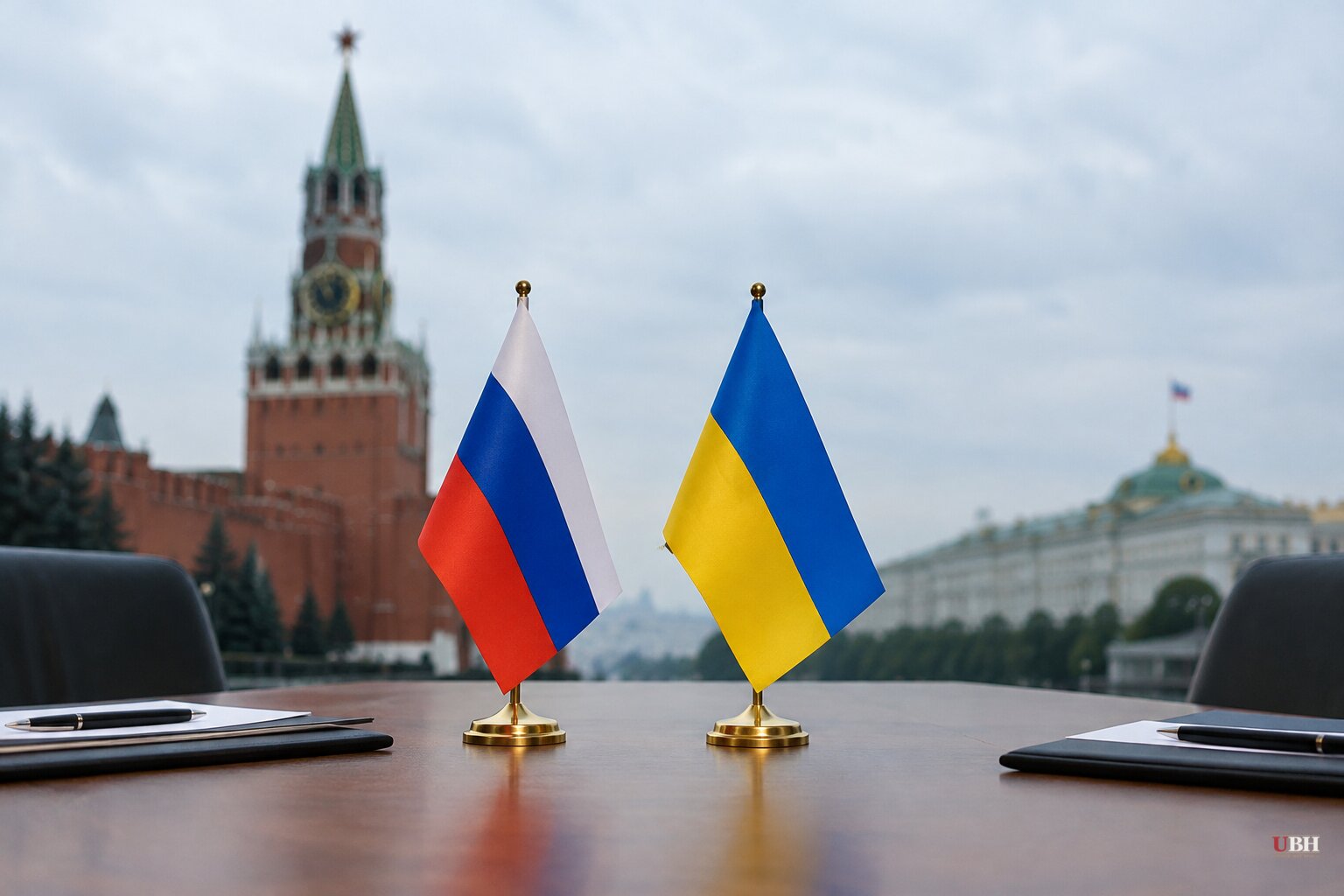
Since Trump began trying to broker an end to the war that Russia started with its February 2022 invasion of Ukraine, no peace deal has materialized. On Friday, Oct. 9, a Putin-Trump phone call added a new obstacle: the Kremlin says talks among the U.S., Russia and Ukraine will not restart right away.
What the Kremlin says Putin told Trump
Kremlin foreign policy aide Yuri Ushakov briefed reporters after the call. He said Putin told Trump that Moscow had been ready to resume negotiations with Kyiv after last month's Russian parliamentary elections.
That plan, according to Putin, fell apart because of Ukrainian attacks. "By launching a massive drone attack on Moscow, other cities and polling stations, as well as on specific individuals involved in organising the election, on the main voting day, the Kyiv regime effectively disrupted the possibility of an immediate resumption of the negotiation process," Ushakov said.
These are Moscow's allegations, delivered through Putin's own aide. Ukraine's response to the claim that it struck polling stations and election organizers is not part of Ushakov's briefing.
Ushakov offered no timeline. "And now, as the president said, we will consider when those negotiations can be resumed," he said. The decision on timing sits with Putin.
Rubio's stalemate warning
The call followed a blunt assessment from Washington. On Thursday, Secretary of State Marco Rubio said Russia's war in Ukraine had reached a dangerous stalemate. He said the United States would keep working toward a settlement.
Putin's account puts the next move in his own hands. Russia sets the date for talks, and Kyiv's drone strikes are the reason Moscow gives for not setting one.
Diesel: two descriptions of one conversation
The call also covered economics. Ushakov said Putin and Trump discussed "major economic initiatives," including potential supplies of Russian fuel.
Trump described it more firmly. After the call, he said Russia had agreed to immediately supply diesel to U.S. and global markets, in an effort to lower fuel prices ahead of next month's midterm elections.
The two accounts differ in wording. Trump said Russia "agreed" and that supply would be "immediate." The Kremlin's readout, as Ushakov gave it, speaks only of "potential" supplies. Analysts said the amounts would likely not reduce prices greatly.
What is still open
Two questions follow directly from the call. When will Moscow agree to sit down for trilateral talks, and what will a Russian diesel arrangement actually amount to in practice?
Trump went into the call looking for a fuel-price win before the midterms. Putin came out of it with a stated reason to delay talks, and a diesel discussion in which the Kremlin has so far committed only to "potential" supplies. Ushakov said only that the Russian side would consider when negotiations can resume.
Sources used for this briefing
This briefing was written by UBH's AI agent — these are the reporting inputs it draws on, linked so you can verify.


