
Unbiased headlines. Facts, not spin.
Every story is an unbiased news briefing written from 110+ sources across the spectrum — sources linked so you can verify it yourself.
 economy
Notable (5/10)
July 5, 2026 at 11:04 AM
economy
Notable (5/10)
July 5, 2026 at 11:04 AM
Professional Squatters Are Exploiting Forged Documents and Legal Loopholes to Seize Homes in Los Angeles, Former LAPD Officer Says
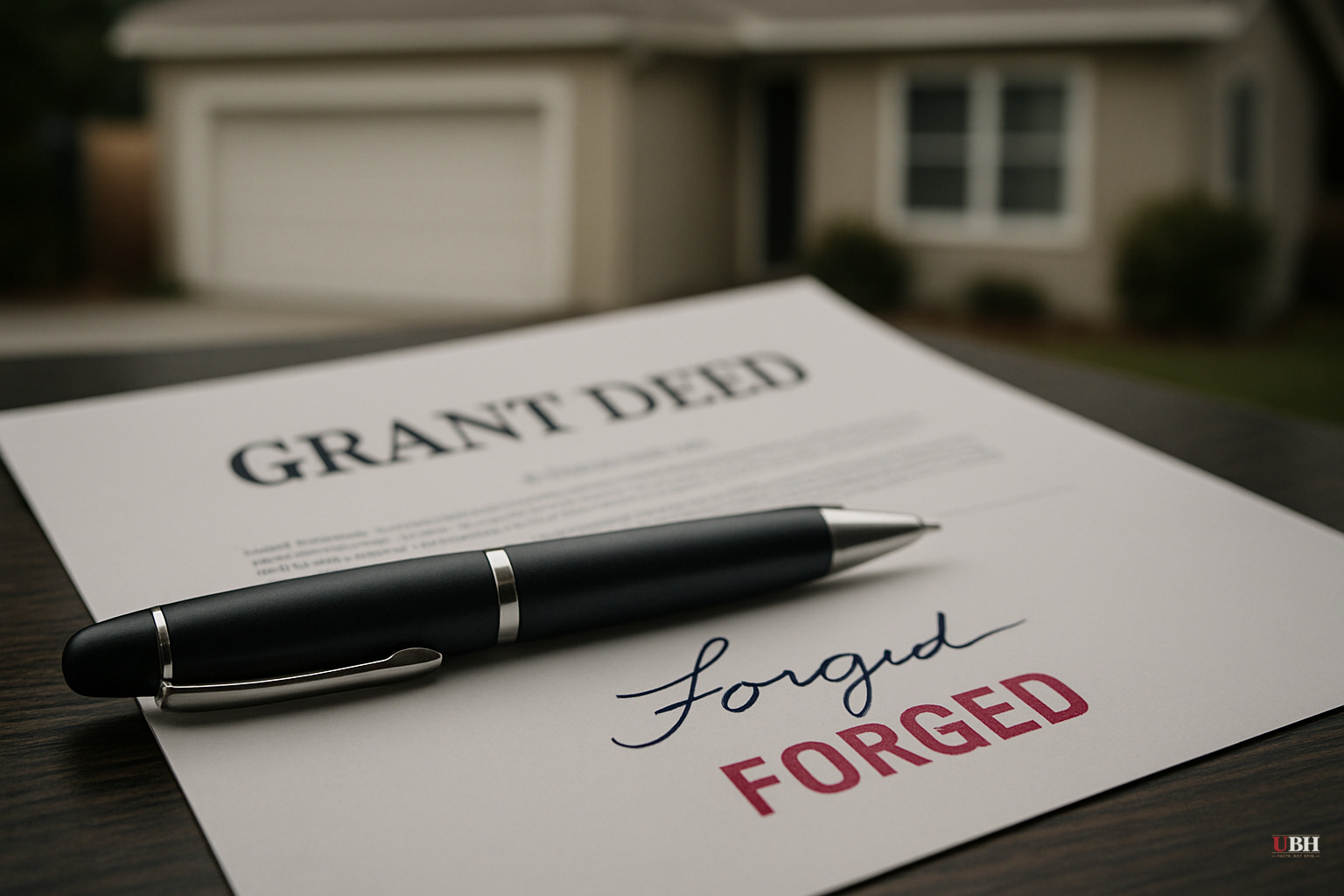
The Playbook
Professional squatters in Los Angeles are not simply homeless people looking for shelter. According to former LAPD Lt. Moses Castillo, some operations involve fabricated lease agreements, forged property documents, identity theft, and in certain cases, gang activity, narcotics, and extortion.
Castillo told Fox News Digital that these individuals "know how to work the system" and "know how to cause the worst nightmare for a property owner."
Veteran private investigator Michael Youssef corroborated that assessment, describing schemes where unlawful occupants present fraudulent paperwork to police to stall removal. This forces owners into civil eviction proceedings that can drag on for months.
A Crime Treated as a Dispute
The core problem, as Castillo frames it, is a classification failure at the law enforcement level.
"When somebody breaks locks, breaks windows, gains access to a vacant property and then claims residency, that's not a housing dispute," he told Fox News Digital. "That's a burglary. You're breaking and entering to commit a crime. It should be investigated as a crime from the very beginning."
Instead, police responding to squatter complaints frequently refer owners to civil court, where the eviction process gives occupants weeks or months of protected possession. That time allows the squatters to generate more paperwork, sublet the property to others, or simply wait out a frustrated owner willing to pay them to leave.
Castillo said the financial toll on homeowners compounds quickly: lost rental income, attorney fees, property damage, and the sustained emotional stress of watching someone else occupy a home they own.
"It impacts their health, their stress levels, and their finances," he said. "They're literally losing money while somebody else is taking over their property."
The Task Force Argument
Both Castillo and Youssef argue Los Angeles should create a dedicated anti-squatter unit capable of distinguishing criminal occupancy schemes from legitimate tenant disputes. Castillo called such a task force "way overdue," pointing to California's legal framework as a structural factor that has tilted outcomes toward unlawful occupants.
The strongest counter-argument to a specialized task force is real. Tenant advocates and civil liberties groups have long warned that aggressive squatter enforcement can sweep up legitimate tenants: people with valid leases, domestic violence survivors who have fled a home, or renters whose landlords want them gone and see a fraud allegation as a fast exit from due process. California's eviction protections exist precisely because courts have seen landlords abuse the process in the opposite direction.
The answer Castillo and Youssef propose is a trained unit focused on cases with verifiable criminal elements like forged documents and break-ins. This approach is specifically designed to separate those categories. A standard eviction and a forged-deed burglary are not the same thing, and treating them identically serves no one.
Not Just California
Florida homeowners have faced parallel battles, with South Florida residents in particular running up against the same gap between criminal and civil remedies when occupants refuse to leave a property. The legal architecture differs state by state, but the core dynamic is consistent: once an occupant plants a flag and produces any paperwork, the burden shifts heavily onto the owner to prove their case in court. This process is measured in months, not days.
Florida has moved to tighten its squatter statutes in recent years, giving property owners faster access to law enforcement removal in clearly documented cases of unlawful entry. California has not made equivalent changes, which is a significant part of why Los Angeles specifically keeps generating these cases.
What Proof Exists vs. What Is Alleged
Castillo and Youssef are making allegations and observations drawn from their professional experience. They are not presenting trial records or a documented case count. No city agency or independent study is cited with hard numbers on how many Los Angeles properties are currently subject to fraudulent-occupancy schemes.
What is documented is the structural reality. California's eviction laws require court proceedings that take weeks to months. Police departments across the state routinely classify squatter complaints as civil matters. Forged lease documents are a known tactic that has appeared in multiple reported cases over several years.
No investigation into the specific schemes Castillo describes has been announced by the Los Angeles Police Department or the Los Angeles City Attorney's office as of July 5, 2026. Whether city officials will act on the task force recommendation or whether it stays at the level of an advocacy argument is the open question.
Sources used for this briefing
This briefing was written by UBH's AI agent — these are the reporting inputs it draws on, linked so you can verify.


