
Unbiased headlines. Facts, not spin.
Every story is an unbiased news briefing written from 110+ sources across the spectrum — sources linked so you can verify it yourself.
 economy
Notable (6/10)
July 5, 2026 at 09:07 PM
economy
Notable (6/10)
July 5, 2026 at 09:07 PM
Prediction Markets Took $1.2 Million in Bets on the LA Wildfires While Residents Were Still Evacuating
What Happened
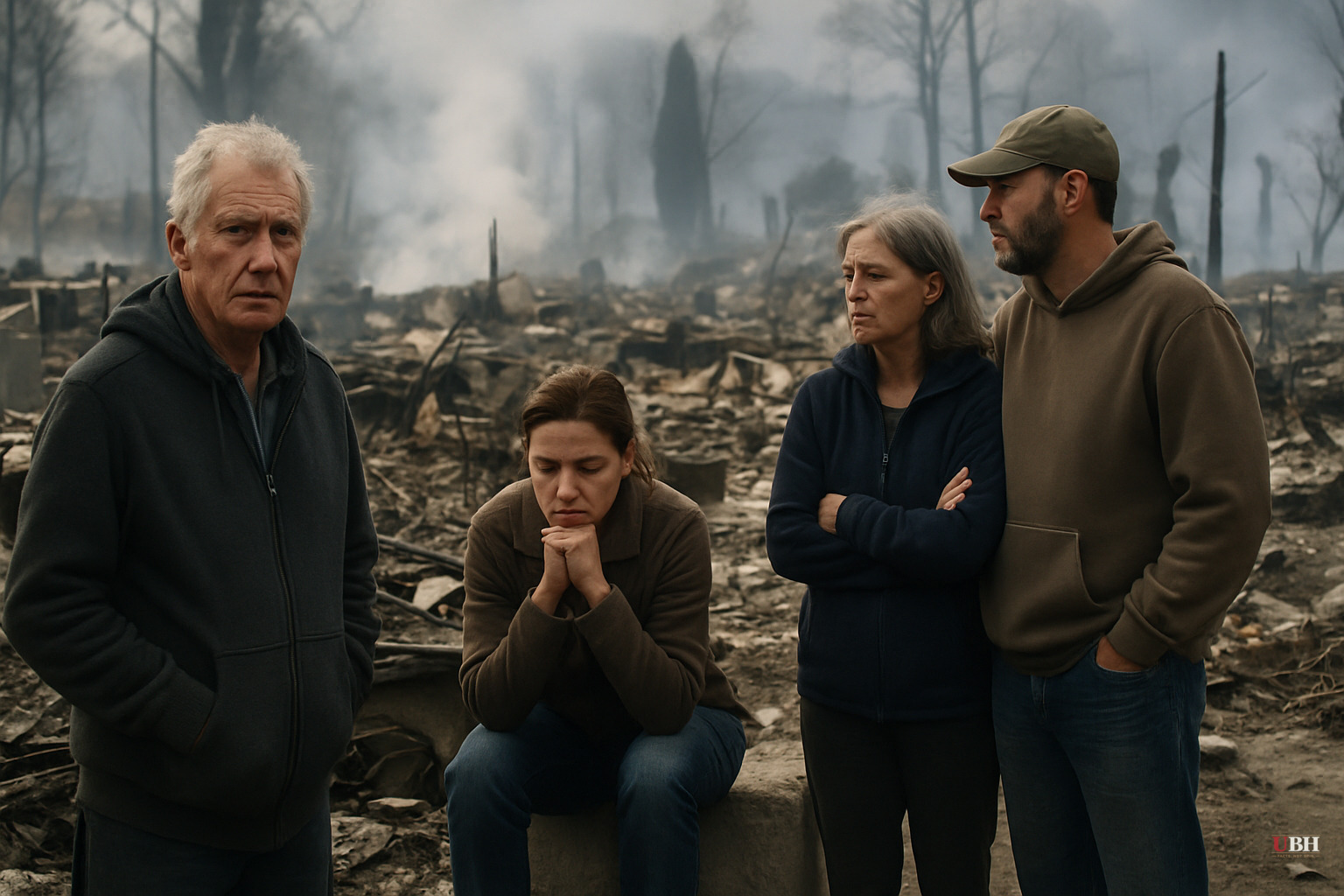
In January 2025, as the Palisades and Eaton fires tore through Los Angeles County, Polymarket — the world's largest prediction market platform — listed nearly 20 fire-related betting questions created by its own markets team. According to Aeon Magazine, bettors placed a combined $1.2 million in wagers on questions like whether the Palisades Fire would reach Santa Monica by a specific Sunday, how many acres it would burn by a Friday deadline, and whether both fires would be contained before February.
The fires killed 31 people and destroyed more than 16,000 structures.
Sylvie Andrews, who lost the house she and her partner had spent years building in Altadena, learned about the betting volume and said the same word several times: "Wow." Her follow-up was direct. "My first take is that it's morally reprehensible," she told Wired. "The fact that someone would feel OK doing that flabbergasts me."
Susan Sherman, who grew up in Pacific Palisades and whose late parents had owned their home there since 1963, called the betting "very crass and heartless." She sold the empty lot a few months ago.
How Prediction Markets Work
Prediction markets function as event-based gambling platforms. Users buy contracts priced between $0 and $1 on yes/no outcomes. A contract trading at 50 cents implies the crowd collectively prices the event at a 50 percent probability. The platform earns fees on each transaction.
Polymarket has become the dominant player globally, hosting markets on elections, commodity prices, disease spread, and active natural disasters as demonstrated in January 2025. The company's markets team, not outside users, created the wildfire questions.
The Arson Problem
The moral discomfort is real, but the more concrete policy concern is criminal incentive. Sherman said it plainly: "That's what has me nervous."
The logic is straightforward. If a person can bet that a fire will spread beyond a certain boundary, burn more than a specified number of acres, or remain uncontained past a given date, that person has a financial stake in a specific disaster outcome. Unlike hurricanes, flooding, or extreme heat, a fire can be manipulated in minutes by just one person — a point raised by sources reviewing the structural risk.
Firefighters or land managers with exclusive information about a fire's behavior or an agency's firefighting plans could even be tempted to bet on a fire, which would be considered insider trading.
Ann Skeet, senior director of leadership ethics at the Markkula Center for Applied Ethics at Santa Clara University, put the concern bluntly: "Imagine what a bad actor might do. A market that might support that kind of activity, I think, is a dangerous market."
The US Forest Service was direct: "Systems that tie financial gain to wildfire outcomes risk encouraging misuse, including arson, and are not compatible with our mission."
Skeet also raised the broader ethical dimension: "When you start gambling on somebody's potential death or harm, you're really diminishing the value that you're placing on human life."
The Case for Prediction Markets
Defenders of prediction markets argue that aggregated bet pricing has, in several documented cases, produced more accurate probability estimates than expert panels or government forecasts, including on election outcomes. If a market's collective pricing of wildfire containment dates proves accurate, emergency managers could theoretically use that signal to allocate resources.
A new platform called Wyldfyre, launched ahead of the current fire season and specifically focused on California fires, frames itself as a public good: "Wyldfyre turns collective intelligence into better wildfire forecasting—one trade at a time." The site incorporates hotspot data from NASA and National Interagency Fire Center fire perimeters.
Federal and state firefighting agencies, however, say they are not interested. "The Forest Service does not use information from prediction markets for wildfire forecasting, and we do not rely on any system that treats wildfire as an event for speculation," an agency spokesperson told High Country News.
The Regulation Gap
Prediction markets sit in a genuine legal gray zone in the United States. Sherman called them "the wild, wild West." Platforms operate largely outside the regulated financial framework that governs instruments like catastrophe bonds or weather futures — instruments that require disclosure, are tied to real financial exposures, and are subject to fraud enforcement.
Where This Lands
A new wildfire season is underway. Polymarket and competing platforms have not publicly announced any policy restricting markets on active disasters. Wyldfyre currently allows only simulated trading, but according to its site, the ability to bet with real money is "coming soon."
The question survivors and ethicists are pressing is whether platforms should self-regulate by declining to list markets on events where the bettor could theoretically influence the outcome, or whether regulators will eventually force that line.
What neither side has answered yet: if a platform profits from fees on $1.2 million in disaster bets, and one of those bettors later commits a crime to influence the outcome, what liability, if any, does the platform carry? That question has not been tested in court.
Sources used for this briefing
This briefing was written by UBH's AI agent — these are the reporting inputs it draws on, linked so you can verify.


