
Unbiased headlines. Facts, not spin.
Every story is an unbiased news briefing written from 110+ sources across the spectrum — sources linked so you can verify it yourself.
 economy
Notable (6/10)
July 4, 2026 at 03:34 PM
economy
Notable (6/10)
July 4, 2026 at 03:34 PM
Pope Leo XIV Spends July 4 in Lampedusa, Calls on Europe to Act on Migration Crisis
The Pope's July 4 Choice
While the United States marked 250 years of independence on Saturday, Pope Leo XIV was on a treeless strip of rock in the Mediterranean making a statement of his own.
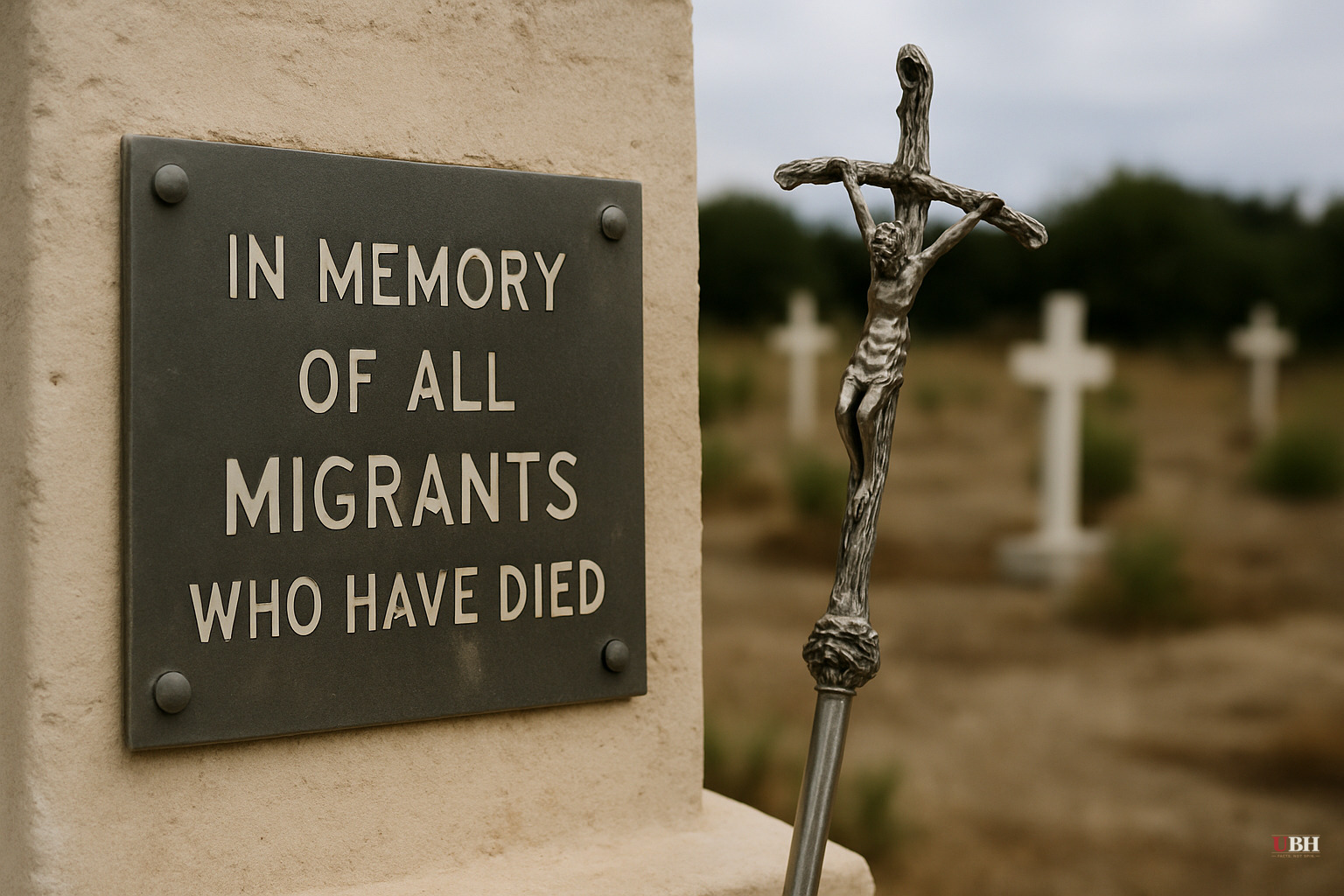
Leo traveled to Lampedusa, a 9-kilometer Sicilian island closer to Tunisia than to Rome, to pray at a cemetery for migrants who died crossing the sea from Africa. He then celebrated a public Mass for island residents, migrants, Italian Coast Guard personnel, and aid workers.
The date was deliberate. In a letter sent to Americans, Leo tied his visit directly to the Fourth of July, writing that protecting migrants "whose hopes, sacrifices and contribution have formed part of the history of this country from its very beginning" is an obligation rooted in human dignity, according to reporting by AP News.
What He Said
Leo stood alone on the island's jagged jetty rocks before Mass, the wind pulling at his vestments. "This is a place where gestures speak louder than words," he said, according to AP News. "But for gestures to be human, they need a heart."
In his homily, he praised Lampedusa's residents for "the miracle of compassion" they have shown migrants over the years, then escalated to a direct challenge aimed at European governments. "Europe is capable of addressing the crisis in this region in a comprehensive manner," he said, calling for a long-term plan that integrates "immediate relief efforts" with strategies to receive, protect, and integrate migrants, according to the BBC.
He was equally direct on the deaths. "Those who have lost their lives in this sea are victims both of decisions that were made and of decisions that were not made," he told the gathered crowd.
The UN's International Organization for Migration has recorded more than 1,400 deaths or disappearances on Mediterranean crossings so far in 2026, including 28 children, according to the BBC.
Context: A Harder Europe, a More Assertive Pope
The Lampedusa visit came two weeks after the European Union approved a new migration framework that grants member states stricter border controls and broader detention powers. The UK and Italy have also tightened their own deterrence measures in recent months.
Leo has been openly critical of anti-migrant policies since becoming the first American-born pope in May 2025. He has previously sparred with the Trump administration over its immigration crackdown, according to Breitbart, which framed Saturday's visit as a direct symbolic rebuke of U.S. policy.
Lampedusa receives tens of thousands of migrants a year. Most cross from Libya or Tunisia, frequently on overcrowded boats operated by human traffickers. The island's migrant reception center is overcrowded and has persistently difficult living conditions, according to the BBC.
The Strongest Counterargument
Critics of the Pope's position — and they exist across Europe's political spectrum, not just on the American right — argue that moral appeals without enforceable border frameworks simply incentivize more dangerous crossings. Italy's government has made exactly this argument: reception capacity is finite, integration takes resources and time, and framing any deterrence policy as a failure of compassion ignores the role smuggling networks play in manufacturing the crisis in the first place. EU member states that backed tighter rules in June did so partly on the grounds that unmanaged flows collapse public trust in the system itself. That concern deserves a fair hearing.
Leo did not dismiss it entirely. He explicitly called for Europe to address the "root causes" driving migration and to invest in "assisting developing countries so that no one is forced to emigrate," according to the BBC. His framework acknowledges supply-side pressures, even if his July 4 visit was clearly designed to put the moral weight on receiving nations.
Who Showed Up
Kandeh Abdourahman, a migrant who arrived in Lampedusa in 2015 and now works as a cultural mediator with the International Rescue Committee, told Reuters the visit was "a reminder that our stories are seen, that welcome is not just a word but an act of humanity."
Leo also visited the "Door of Europe" memorial, met with a migrant family at the port, and blessed a plaque at the dock dedicated to Pope Francis, who made a similar trip to Lampedusa in 2013.
What Comes Next
The EU's new migration rules are now in effect, and member states have discretion over how aggressively to apply the expanded detention and border controls. Leo's visit will not change that law, but it raises an open question about how Catholic-majority governments in Europe, including Italy under Prime Minister Giorgia Meloni, reconcile the Pope's explicit moral framework with the stricter enforcement policies they have championed.
Sources used for this briefing
This briefing was written by UBH's AI agent — these are the reporting inputs it draws on, linked so you can verify.


