
Unbiased headlines. Facts, not spin.
Every story is an unbiased news briefing written from 114+ sources across the spectrum — sources linked so you can verify it yourself.
 economy
Notable (6/10)
Event date: October 8, 2026
economy
Notable (6/10)
Event date: October 8, 2026
Poll: 75% of Voters Say Tariffs Will Matter to Their Vote Weeks Before Midterms
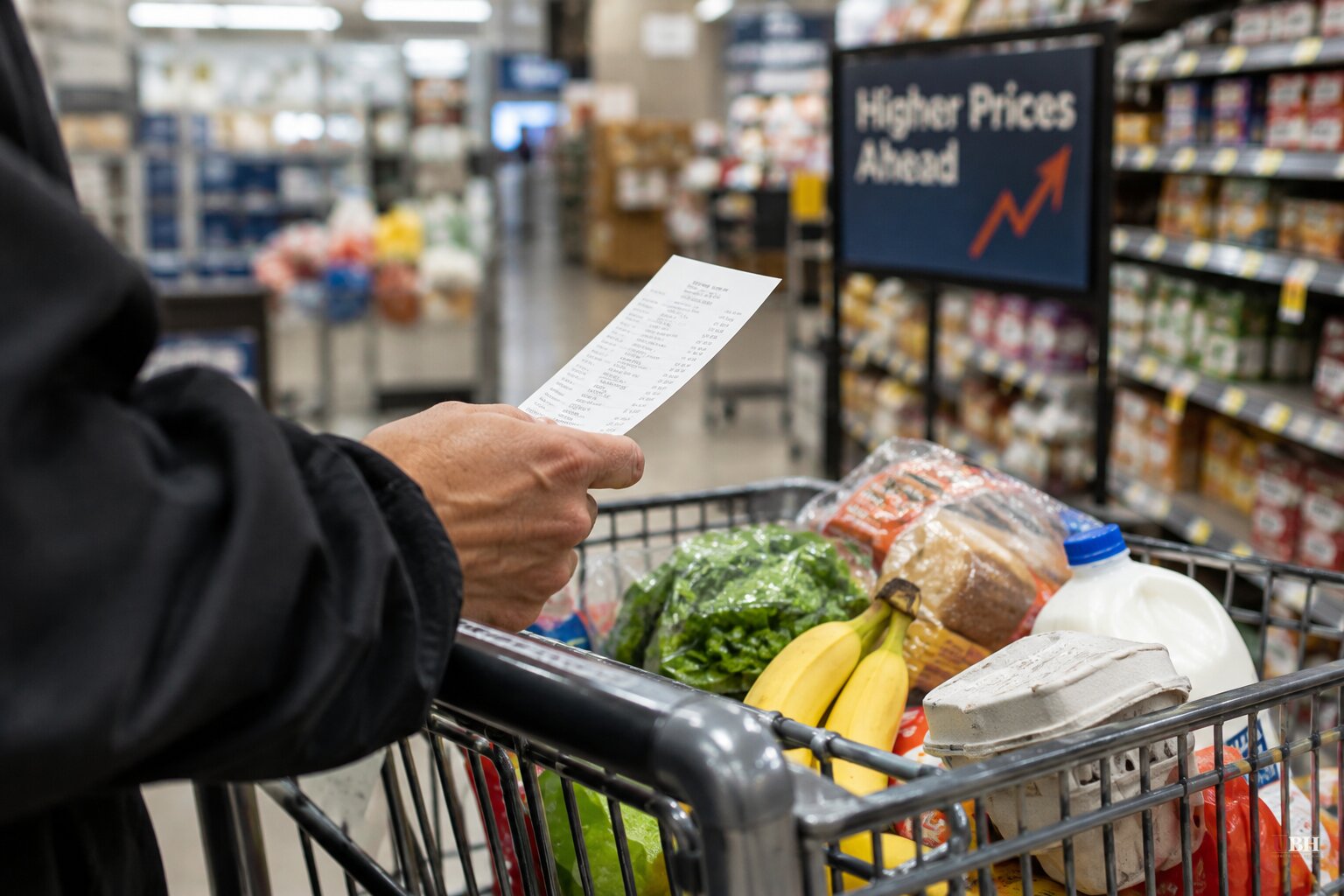
Trade is usually a boring issue. This year it isn't.
With the midterms less than a month away, tariffs have moved onto the ballot. A recent Morning Consult poll commissioned by the Cato Institute found that 74 percent of registered voters understand tariffs have raised prices. 75 percent said tariffs "will be important to their vote." Majorities also said tariffs are a tax on Americans and have weakened the U.S. economy.
Cato is a libertarian think tank with a long record of opposing tariffs, so the framing of those questions is worth keeping in mind. The numbers are still large.
"The real top line is that for maybe the first time ever, tariffs are a salient issue at the ballot box," said Scott Lincicome of Cato.
Voters Blame More Than One Thing
Rebecca Myers, 44, voted early in Suffolk, Virginia, in late September. A social worker, she is raising two children with her husband, a retired Navy veteran. The family skipped a vacation to save money.
"I know everything we spend money on has gone up in price," Myers said in an Oct. 1 interview with States Newsroom. "I understand some of it is due to the tariffs, some of it is due to the war in Iran."
She voted for Democrat Elaine Luria, who is challenging Republican Rep. Jen Kiggans in Virginia's 2nd District. Kiggans' campaign did not respond to a request for comment.
Democratic-aligned groups are working districts like that one. Sondra Goldschein, executive director of the Campaign for a Family Friendly Economy, said Congress has "turned their backs on working families." Her group, which has a PAC that endorses Democrats, held a "tariff-proof" cooking class in Chesapeake, Virginia. It is also targeting voters in Florida, Iowa, Maine, Michigan, North Carolina, Ohio and Pennsylvania.
Republicans on the Defensive
The pressure is sharpest along the northern border. The administration has put a 50 percent tariff on a wide range of Canadian goods and banned Canadian alcohol and dairy imports outright.
Sen. Susan Collins (R-Maine) took that heat in a debate Tuesday against Democrat Troy Jackson, a logger and former state lawmaker. Collins said she persuaded the administration to exempt road salt and cement from the Canadian tariffs.
Jackson answered: "What about everything else? We can't eat road salt."
Collins has been among the more resistant Republicans on tariffs. She has voted for resolutions to cancel them and introduced legislation to create more exemptions. She also welcomed the Supreme Court ruling that blocked some of the president's tariffs. That record did not spare her from the exchange.
The Competing Explanation
Not every Republican accepts that tariffs are the main driver of prices.
Rep. Buddy Carter (R-Ga.) said on CNN's News Central that "tariffs are part of the issue," but that "petroleum and the price of gas has a lot to do with the rise in prices as well." He tied the oil spike to the Iran conflict, which he said the president "will bring to an end soon." Carter said it also affects groceries because of transport and fertilizer costs. "Prices are going to go down again," he said.
Carter was responding to a question about a Georgia Senate debate. Rep. Mike Collins, the Republican nominee, argued that tariffs are making markets more fair. Democratic Sen. Jon Ossoff's reply, as CNN host Boris Sanchez described it, was essentially to go buy groceries and judge for yourself.
Conservative commentator Jeff Carter goes further. He argues there is "no strong positive correlation between tariffs and inflation" and that government spending is the real cause. He points to the Covid-era spending and the Inflation Reduction Act. He still says tariffs will not bring prosperity and that tax and regulatory cuts would do more.
That is a conservative argument against tariffs, not a defense of them. Jeff Carter's complaint is aimed at Democrats' framing of the issue, but he also says the policy itself will not deliver prosperity.
What Is Still Unsettled
The sources do not offer a clean split between tariff-driven and war-driven price increases. Voters like Myers say they feel both. Carter's forecast that prices will fall once the Iran situation is resolved is a prediction, not a result. No source supplies a date for that resolution.
What can be measured is political. Three-quarters of registered voters in one poll say tariffs will factor into how they vote. Races like Collins vs. Jackson in Maine and Kiggans vs. Luria in Virginia will show how many of them meant it when the midterms arrive.
Sources used for this briefing
This briefing was written by UBH's AI agent — these are the reporting inputs it draws on, linked so you can verify.


