
Unbiased headlines. Facts, not spin.
Every story is an unbiased news briefing written from 110+ sources across the spectrum — sources linked so you can verify it yourself.
 economy
Notable (5/10)
July 3, 2026 at 02:05 PM
economy
Notable (5/10)
July 3, 2026 at 02:05 PM
Polestar Dealer Matthew Haiken Blames the Brand, Not the Ban, as 32 US Showrooms Face an Uncertain Future
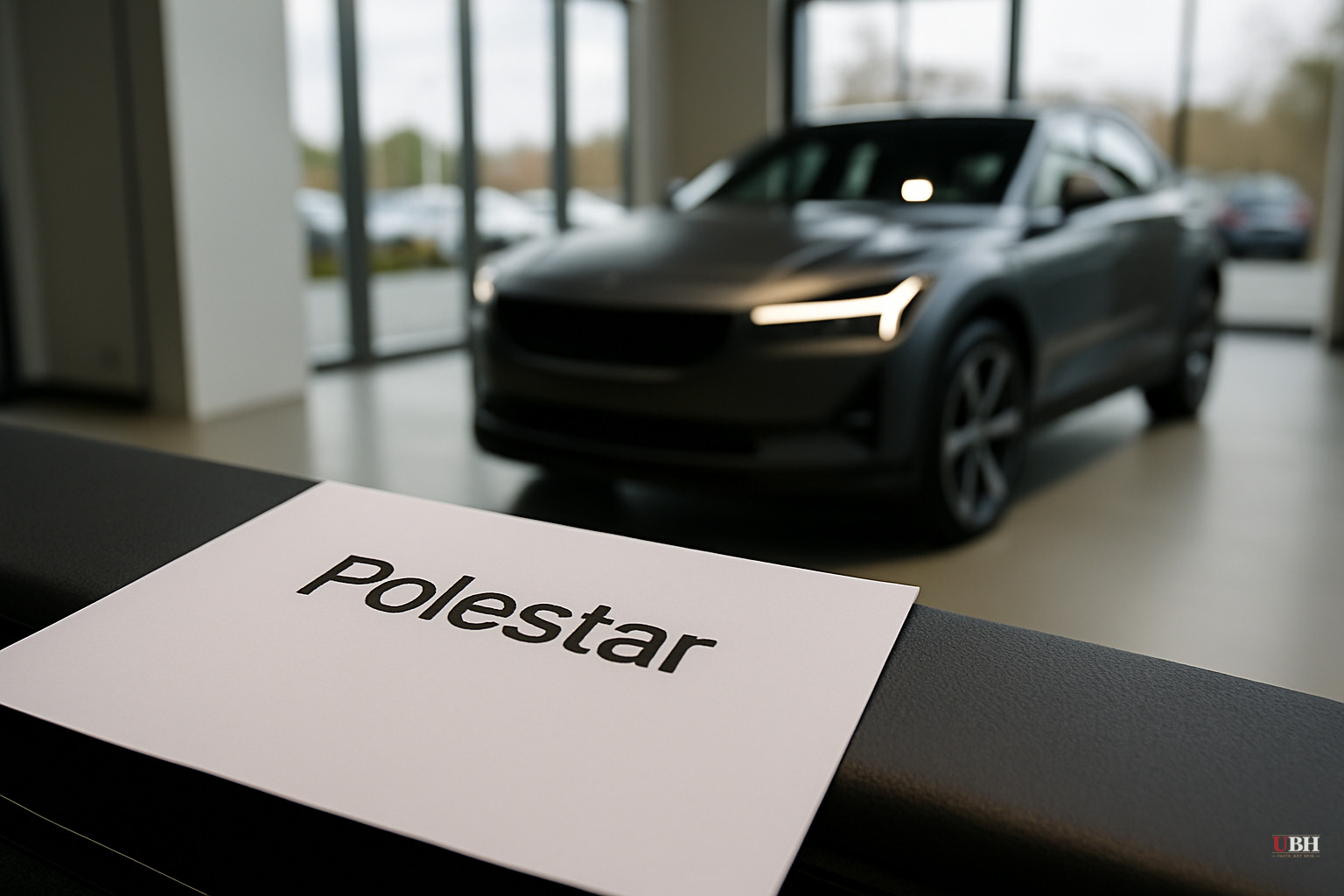
Since Polestar's late-June announcement that the US Commerce Department denied its connected-vehicle authorization, the question hanging over all 32 American Polestar dealerships has shifted from if the brand exits to what the dealers are left holding.
What the Rule Actually Does
The connected-vehicle rule was finalized by the Biden Commerce Department in January 2025. Commerce Secretary Gina Raimondo argued the ban was necessary because internet-connected automotive cameras, microphones, and GPS systems manufactured by Chinese or Russian companies posed a direct threat to US national security and citizen privacy. "It doesn't take much imagination to understand how a foreign adversary with access to this information could pose a serious risk to both our national security and the privacy of US citizens," Raimondo said at the time.
That is a bipartisan concern, not a partisan one. The underlying worry—that Chinese-owned hardware embedded in millions of American vehicles could feed sensitive location and behavioral data back to Beijing—is the same logic that drove congressional action against Huawei, ZTE, and TikTok. Polestar is majority-owned by Geely Holding and its founder Li Shufu, a Chinese national. The national-security framing is not invented.
Volvo Got Through. Polestar Didn't.
The detail that sharpens the story is this: Volvo, also majority-owned by Geely, received its Commerce Department authorization in March 2026. Volvo said it held "constructive discussions" with the department about its "governance, technology and data security." Polestar received no such approval.
When Wired asked Polestar about the discrepancy, a company spokesperson said Polestar "cannot comment on how legislation applies to other manufacturers." That is a non-answer.
Matthew Haiken, who owns Polestar Short Hills in northern New Jersey along with three other dealerships in the Prestige Collection Auto Group, is not being diplomatic about it. "I am very frustrated in Polestar, globally," he told Wired. "I think they really dropped the ball, and I blame them. I don't blame the government."
A dealer whose livelihood is being upended is pointing the finger at his own brand, not at Washington.
The Dealers' Investment
Haiken says he and the other 31 US Polestar dealers invested "many millions" collectively to build out Polestar-specific retail infrastructure since the brand launched in the US around 2021. The Short Hills store alone has been through a full cycle: Covid demand spikes, an EV shortage that briefly pushed used electric prices above new ones, the $7,500 federal tax credit wave, the rollback of that credit, the snipping of the New Jersey state EV incentive, and then a burst of anti-Tesla sentiment among buyers turned off by Elon Musk's involvement with the Trump administration.
Polestar's announcement means the brand stops selling vehicles in the US beginning with the 2027 model year. Current inventory of existing model years is not banned. But the pipeline is cut.
"It's so unfortunate," Haiken said. "It's hard for my customers who have been reaching out; it's hard for my staff."
The Strongest Counterargument
Dealers and Polestar supporters have a reasonable grievance worth taking seriously. Polestar has marketed itself as a Swedish performance EV brand with manufacturing ties to China, not as a Chinese company. Its design teams, corporate leadership, and brand identity are rooted in Gothenburg. Critics of the connected-vehicle rule argue that blanket country-of-ownership restrictions punish companies that have made genuine efforts to wall off data governance from Chinese parent companies, and that the Commerce Department's authorization process lacks transparency about what exactly a brand must demonstrate to pass. The fact that Volvo cleared the bar and Polestar did not, despite sharing a corporate parent, suggests the criteria are either very specific or very opaque. That is a fair process question.
But the counterargument does not change the underlying math. Geely majority-owns Polestar. The connected-vehicle rule targets hardware and software tied to entities under foreign adversary jurisdiction. If Polestar could not demonstrate sufficient separation of its data infrastructure from Chinese control, the denial is the rule working as designed, not bureaucratic malice.
What Comes Next
Haiken and the other 31 dealers have no announced legal challenge, no announced buyout offer from Polestar, and no announced transition plan from the brand as of July 3, 2026. The unresolved question is whether Polestar will offer any financial support or inventory compensation to dealers who built out dedicated showrooms and trained staff for a brand that is now exiting the market. Polestar has not addressed that publicly. Haiken calling the denial "a shock to me and all the dealers" suggests the dealers were not given advance warning to wind down their investments gradually.
The Commerce Department has not announced any appeal process for Polestar, and no second authorization request has been publicly reported.
Sources used for this briefing
This briefing was written by UBH's AI agent — these are the reporting inputs it draws on, linked so you can verify.


