
Unbiased headlines. Facts, not spin.
Unbiased Headlines is an independently owned news organization. We bring you the facts, not opinions, written fresh from 110+ named sources. Sources linked so you can verify it yourself.
 finance
Low Interest (4/10)
Event date: November 20, 2026 ·
PNB CEO Says RBI's ECL Shift Will Need About Rs 5,000 Crore More in Provisions, Sees Limited Impact
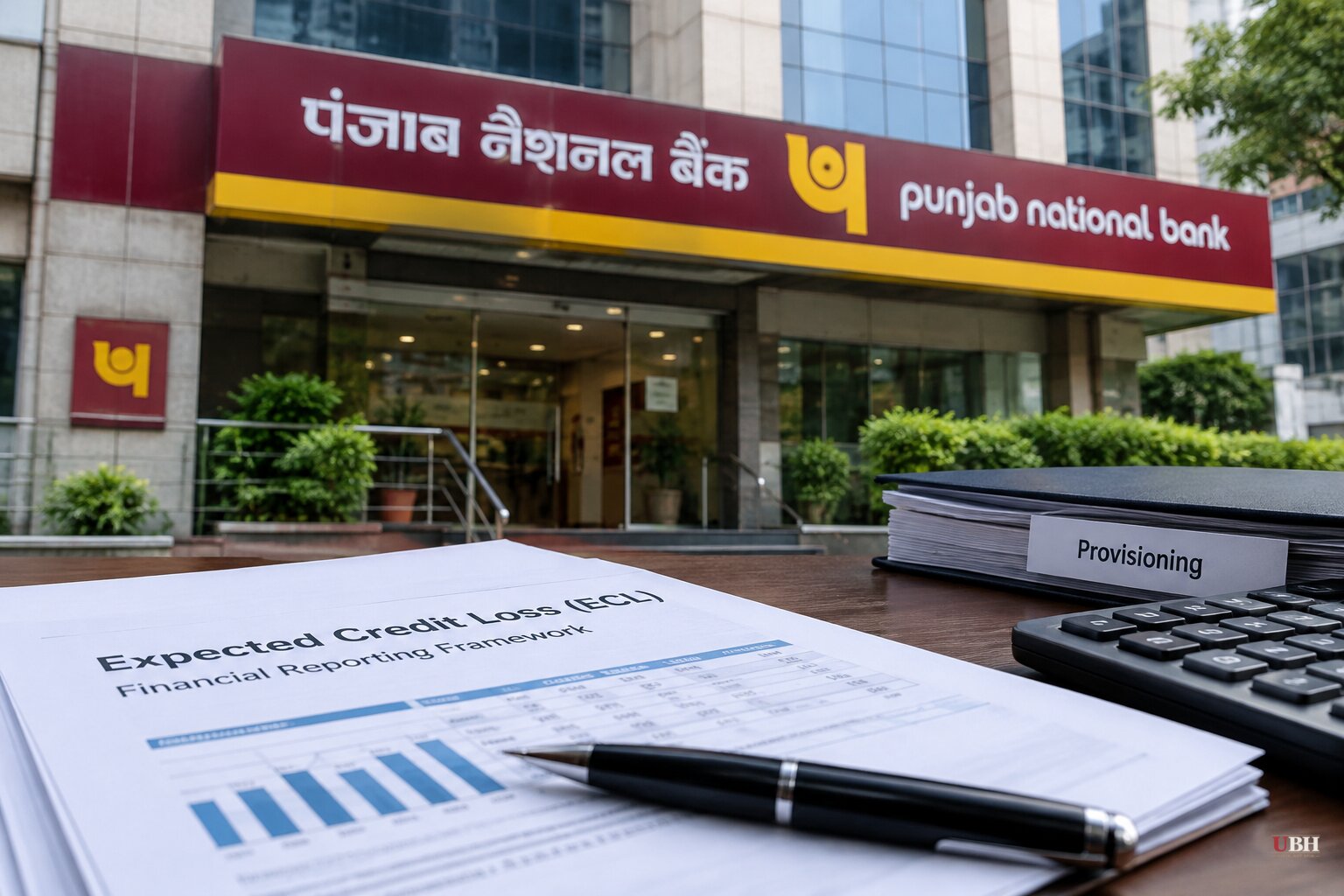
Punjab National Bank expects to set aside roughly Rs 5,000 crore more when the Reserve Bank of India's expected credit loss (ECL) framework takes effect on April 1, 2027. CEO and Managing Director Ashok Chandra said the move is unlikely to dent profitability or capital in any significant way.
Chandra laid out the numbers in an interview with PTI on Sunday, Nov. 22.
How PNB got to Rs 5,000 crore
The bank's first estimate, built on preliminary manual calculations, put the ECL provisioning need at Rs 9,000-10,000 crore. A detailed assessment on a digital system cut that to about Rs 8,000 crore.
Chandra credited the drop to PNB's underwriting standards over the past six years.
PNB has already built floating ECL provisions of Rs 2,560 crore. It holds another Rs 1,150 crore as a separate provision in its standard assets portfolio. After adjusting for those, Chandra said the incremental requirement at migration should be about Rs 4,500-5,000 crore.
The figures as stated leave some room. Subtracting the two existing buffers, together Rs 3,710 crore, from the Rs 8,000 crore estimate gives about Rs 4,300 crore, below the top of Chandra's range. The bank has not explained the gap.
Capital impact
Chandra said the bank has not decided whether to absorb the full charge in one go or stagger it over time. Even a full hit in the first year would cost about 52-53 basis points of capital adequacy, he said.
PNB's capital adequacy ratio is currently around 17.95 per cent. Chandra said it would still sit at about 17.5 per cent after that hit.
What ECL changes
Under the current approach, banks mostly provision for losses once they have been incurred. ECL requires forward-looking provisions for losses a bank expects.
RBI Deputy Governor S C Murmu described the mechanics on Nov. 19 at the Gatekeepers of Governance Summit in Mumbai. Banks will sort financial assets into three stages based on changes in credit risk. Stage 1 assets will carry provisions for 12-month expected losses. Stages 2 and 3 will require provisions based on lifetime expected losses.
Murmu said the April 2027 package also includes the remaining Basel III standards and a new standardised approach to credit risk. He said the changes will make the banking system more sensitive to risk and put more responsibility on boards.
Other lenders want more time
PNB's confidence is not the whole industry's position. At a Nov. 12 meeting of bankers and industry stakeholders, lenders raised concerns about the provisions they may have to book and asked for a transition spread over several years.
They also pointed to the technology upgrades and data infrastructure needed to estimate lifetime losses. State Bank of India Chairman CS Setty said on Nov. 3 that the net-of-tax impact on the banking system could be around Rs 19,500 crore. He stressed the importance of a transition mechanism.
Moneycontrol reported, citing a person familiar with the discussions, that the RBI is unlikely to defer the date. At the Nov. 12 meeting, the same source said, the central bank told lenders to look beyond accounting and use ECL to change how they assess credit risk, price loans and manage portfolios.
The RBI has not publicly responded to the banks' request for a longer transition. Moneycontrol said it had emailed the central bank for comment.
Fee income as a cushion
Chandra also pointed to growth in non-interest income. PNB has set up dedicated platforms for credit cards, supply chain finance and cash management services.
The credit card and cash management verticals are each expected to generate about Rs 200 crore in quarterly profit from the next financial year, he said. That is the bank's own projection and has not been independently verified.
What comes next
The April 1, 2027 date is about four months away. PNB must still decide whether to take the Rs 4,500-5,000 crore in one year or phase it in. The RBI has been collecting feedback on implementation problems, including technology readiness, and may issue frequently asked questions to address lenders' queries. Whether it will grant the multi-year glide path that banks asked for on Nov. 12 remains open.
Sources used for this briefing
6 links from 6 independent newsrooms (syndicated copies of the same report count once)
These are the sources it draws on, linked so you can verify.


