
Unbiased headlines. Facts, not spin.
Every story is an unbiased news briefing written from 110+ sources across the spectrum — sources linked so you can verify it yourself.
 economy
Major Story (8/10)
August 3, 2026 at 04:03 PM
economy
Major Story (8/10)
August 3, 2026 at 04:03 PM
PJM Files $20 Billion Emergency Auction Plan With FERC to Cover 6.8-GW Power Shortfall
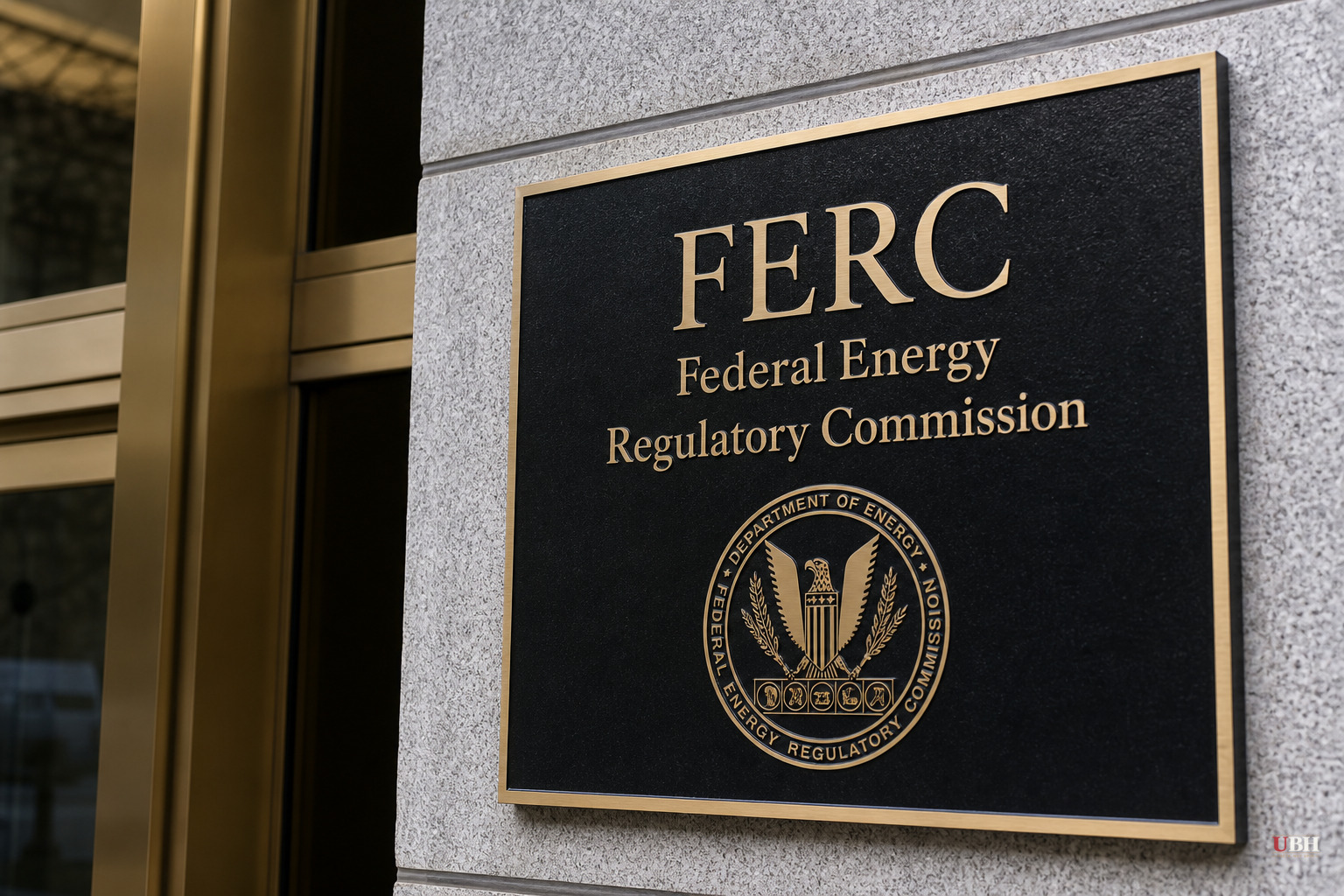
PJM Interconnection, the grid operator covering 13 states and Washington, D.C., filed a plan Friday with the Federal Energy Regulatory Commission to run a one-time backstop auction for new power capacity, according to Utility Dive. The goal: fill a 6.8-gigawatt shortfall left over from PJM's last capacity auction.
That shortfall isn't small. PJM's last auction, covering the delivery year starting mid-2028, failed to secure enough capacity to hit the grid operator's 20% reserve margin target. That margin exists for a reason: it's supposed to keep unexpected blackouts to no more than one every 10 years. PJM came up short, and data centers are the reason why.
Data Centers Are Eating the Grid
PJM estimates data center and other large-load demand could grow by up to 70 gigawatts by 2038. That's not a rounding error. That's an entire new grid's worth of demand, driven by AI computing and cloud infrastructure, arriving faster than utilities can build power plants to match it.
The backstop auction will run from Sept. 30 to Oct. 21, targeting new capacity to plug the gap. PJM says it will pay up to $20 billion for new power plants to help supply data centers built through 2027, according to the Natural Resources Defense Council, an environmental group that flagged the price tag Friday.
PJM proposed raising the price cap for this auction to $555 per megawatt-day, up sharply from the $325 cap used in the last base capacity auction. That's the ceiling generators can charge to guarantee they'll have power available when needed. A higher cap means more money flowing to whoever builds or maintains the plants that clear the auction.
Who Pays: The Real Fight
The costs of this backstop auction get allocated to PJM zones based on their share of the procurement target, then passed down to utilities and other load-serving entities in those zones. Eventually, that cost lands somewhere: either on the data centers driving the demand, or on regular households and small businesses who had nothing to do with it.
PJM is explicit that this only works if states step up. The grid operator said in its FERC filing that its framework "relies on each of the PJM states to refine, for purposes of cost allocation, which retail loads — including which 'large loads,' as each state defines such loads — should be allocated the costs of resources procured through the RBP."
PJM is punting the hardest political question to state regulators. If Virginia, Ohio, Pennsylvania and the other PJM states don't write clear rules defining which loads count as "large" and make those loads absorb their own costs, ordinary ratepayers could end up subsidizing the data center boom. Anyone worried about their electric bill should watch this closely. PJM's own framing supports this concern rather than dismissing it. The grid operator isn't claiming the cost-shift risk is imaginary. It's telling states directly that protecting retail customers is on them.
Bring Your Own Power
Separately, PJM plans to file another proposal at FERC on Aug. 7 that would let the grid operator curtail large loads without their own power supply when the grid nears an emergency, according to PJM spokesman Jeffrey Shields. This rule, part of what PJM calls the Interim Resource Adequacy Service plan (formerly "connect and manage"), would apply to data centers coming online after June 1, 2027.
Under this plan, PJM would build a registry of all large loads to establish "load reduction priorities" — essentially a list of who gets cut off first if the grid is straining. Any data center operator who wants guaranteed uninterrupted power would need to bring their own generation rather than leaning entirely on the shared grid.
For years, tech companies have built data centers assuming the grid would simply absorb the demand. Requiring new large loads to bring their own power supply puts the cost and planning burden back on the companies creating the demand, rather than socializing it across every ratepayer in 13 states.
What's Still Unresolved
PJM aims to announce the backstop auction results by Dec. 2, ahead of its regular base capacity auction for the 2029/30 delivery year. FERC still has to approve the filing. States haven't yet finalized how they'll define "large loads" for cost-allocation purposes, and that patchwork of state decisions will determine whether this backstop auction ends up being paid by Amazon, Microsoft and Google's data center buildouts, or by the retiree in Pittsburgh paying a monthly electric bill. The outcome will play out state legislature by state legislature over the coming months.
Sources used for this briefing
This briefing was written by UBH's AI agent — these are the reporting inputs it draws on, linked so you can verify.


