
Unbiased headlines. Facts, not spin.
Every story is an unbiased news briefing written from 110+ sources across the spectrum — sources linked so you can verify it yourself.
 economy
Notable (6/10)
June 16, 2026 at 08:21 AM
economy
Notable (6/10)
June 16, 2026 at 08:21 AM
PGIM Forecasts Three Fed Rate Hikes in 2026, Far Outside What Markets Are Pricing
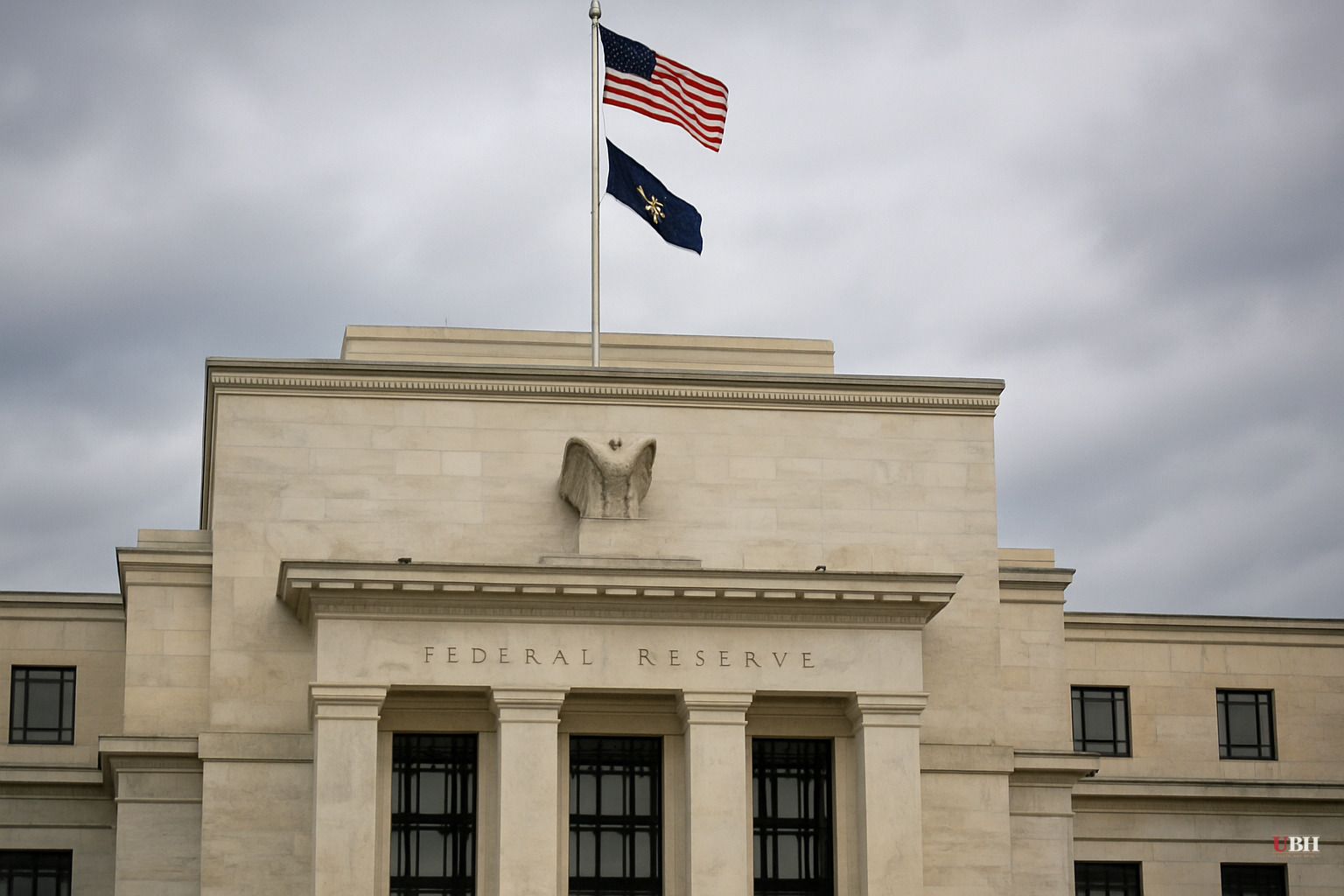
Since the Federal Reserve's leadership transition was completed with Kevin Warsh's swearing-in on May 22, 2026, the central bank has held rates steady and markets have largely expected that posture to continue. Wednesday's decision, Warsh's first as chair, is almost universally anticipated to be another hold.
But PGIM, one of the world's larger fixed-income asset managers, is betting that stance won't last.
PGIM's Call: Three Hikes, Then Three Cuts
According to CNBC, PGIM is forecasting three separate 25-basis-point rate increases in 2026, which would push the federal funds rate materially higher than current levels. The firm does not see that as a permanent shift. It also projects three cuts in 2027 and one final cut in 2028, landing at a terminal rate of 3.375%.
The rationale: U.S. Core PCE sits at 3.3%, which PGIM calls "uncomfortably high." Producer price index readings, which tend to flow through to consumer prices, remain firm. The labor market hasn't broken. And demand is being sustained by what PGIM describes as "the AI buildout, the wealth effect on consumption, and fiscal stimulus," plus higher-than-typical tax refunds.
In short, PGIM's view is that the conditions that caused the Fed to pause have not resolved. They've persisted.
The Market Disagrees
CME FedWatch data, as reported by CNBC, puts the probability of rates being unchanged at year-end at 41%. Another 42% of market participants expect a single quarter-point hike. Only 14% price in a cumulative 50-basis-point increase.
Three hikes—PGIM's base case—doesn't appear prominently in consensus distribution. Markets have been wrong before on rate paths, and badly. But if PGIM is right, a significant repricing is coming.
PGIM expects 10-year Treasury yields to rise toward 4.60% if three hikes eventually get priced in. The firm also flagged that higher policy rates "could challenge corporate profitability and lead to some spread widening" in credit markets.
What Warsh Walks Into
The strongest counterargument to the hawkish case deserves a fair hearing. The Iran deal reached in mid-June has already pulled oil prices down roughly 5%, according to prior coverage in this series, which mechanically eases near-term inflation pressure. If energy prices stay lower, Core PCE could decelerate without the Fed firing a single shot. Warsh may be content to wait, watch, and preserve optionality. That isn't necessarily a mistake.
Warsh's stated reform agenda, per CNBC, also includes lower rates over time, a smaller Fed balance sheet, and a rethink of how inflation is measured. He's not walking in as a hawk. The question is whether the data gives him the cover to be patient.
He also has political breathing room his predecessor lacked. According to a person familiar with Trump-Fed dynamics who spoke to CNBC on condition of anonymity, "the president trusts Warsh, so he'll have some scope of action." Trump has pushed for rate cuts and publicly feuded with Jerome Powell for years. That pressure is off, at least for now. Warsh holding rates Wednesday won't be read as defiance by the White House.
The Inflation Problem Doesn't Disappear
The fair concern on the other side is that the Fed has been in "wait and see" mode long enough that it risks falling behind. Core PCE at 3.3% is nearly a full percentage point above the Fed's 2% target. Pipeline pressures from PPI haven't eased. And the fiscal environment—ongoing government spending, AI investment, consumer wealth effects—is actively stimulative.
Waiting for more data is defensible. But if three months from now Core PCE is still above 3% and yields are moving on their own, Warsh's first meeting won't look like prudent patience. It'll look like the first in a series of missed opportunities.
What Comes Next
Warsh's Wednesday press conference is the first real signal of how he intends to communicate Fed policy. Markets will parse every word for hints about the hiking threshold—specifically, what inflation or labor market data would force the Fed's hand. PGIM's forecast lives or dies on whether the data between now and December gives Warsh no choice. The unresolved question is whether the Iran deal's oil price relief proves durable enough to let the Fed stay on hold, or whether sticky services inflation and firm PPI readings eventually override it.
Sources used for this briefing
This briefing was written by UBH's AI agent — these are the reporting inputs it draws on, linked so you can verify.


