
Unbiased headlines. Facts, not spin.
Every story is an unbiased news briefing written from 110+ sources across the spectrum — sources linked so you can verify it yourself.
 economy
Notable (6/10)
July 29, 2026 at 09:55 AM
economy
Notable (6/10)
July 29, 2026 at 09:55 AM
Personal Bankruptcy Filings Jumped Nearly 50% Over Three Years, Federal Court Data Shows
The numbers
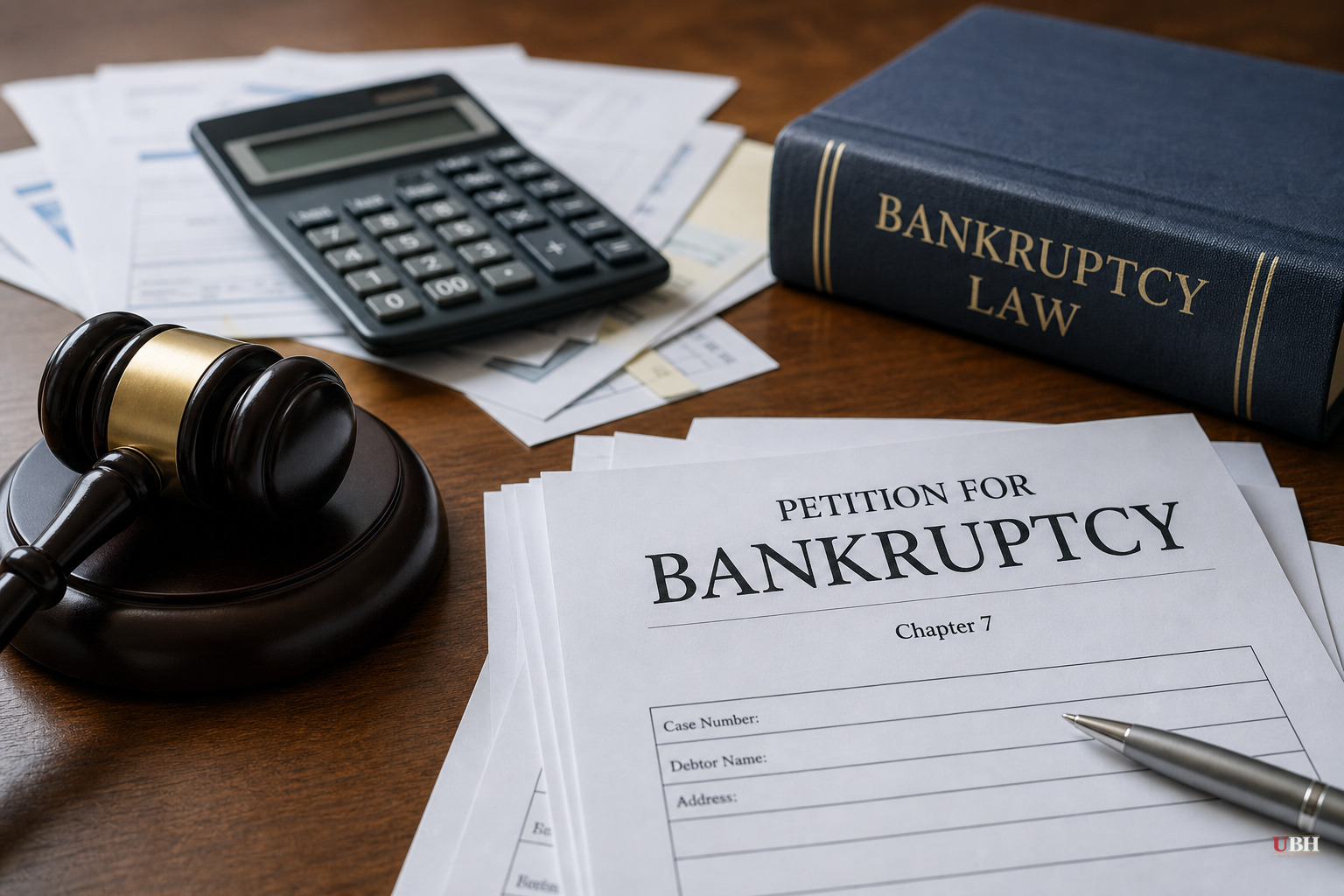
More than half a million Americans filed for personal bankruptcy last year. That's a nearly 50% jump from three years earlier, according to the Administrative Office of the U.S. Courts. And it's not slowing down. Filings at the end of March were up almost 12% from a year earlier, per the same data.
This isn't about corporations collapsing. Personal bankruptcies dwarf business filings every year, and this surge is regular people running out of road on debt they can't pay.
One family's story
Rebecca Lessley, who lives in Oklahoma City, filed for bankruptcy this month. She lost her job the same month she bought her house three years ago. By the time she landed a new job in social work, the debt had piled up beyond what she could manage.
Lessley told NPR she felt embarrassed filing. Then she posted on Facebook asking for a bankruptcy lawyer recommendation. Within an hour, four or five friends messaged her back with names. Some asked her to report back on how the process went, because they were considering it too.
Bankruptcy used to carry heavy stigma. Now it's common enough that people are trading lawyer recommendations like they're comparing plumbers.
What experts say is driving it
Sasha Indarte, a finance professor at the University of Pennsylvania's Wharton School, said the trend shows consumers are having a harder time keeping up with their financial obligations.
Mary Eschelbach Hansen, a bankruptcy economist at American University, pointed out that one of the biggest practical benefits of filing is that creditors and collection agencies are legally required to stop contacting you once the court process starts.
A lot of families delay filing because the word "bankruptcy" sounds like game over. In reality, it's a legal process where a court-appointed trustee sorts out a repayment plan, decides what assets might need to be sold, and in many cases wipes out debt that would otherwise follow someone for years.
The credit score myth
A common objection to filing is that it destroys your credit. It does show up on your record. But if you're at the point of filing for bankruptcy, your score is usually already wrecked from missed payments and collections.
Samuel Antill, an assistant professor referenced in the reporting, notes that credit scores can actually improve after bankruptcy in some cases, because the process clears out the unpaid debt that was dragging the score down in the first place.
What this says about the economy
Rising bankruptcy filings during a period when the labor market has generally been described as solid tells you something is off in household finances specifically, not just macro headlines. Job loss, medical bills, credit card debt, and buying a house at the wrong moment, as in Lessley's case, are the kind of individual shocks that used to be survivable with savings. Increasingly, they're not.
This is not a partisan story. Bankruptcy courts don't care who's in the White House. But it is a fiscal responsibility story on the household level, the same one conservatives have pushed for decades: debt has consequences, and when Americans are stretched thin on credit cards, medical bills, and mortgages taken on without a cushion, the system built to handle failure gets used more.
The Administrative Office of the U.S. Courts data reflects filings, not causes. NPR's reporting ties the rise to job loss and unmanageable debt through individual anecdotes and economist commentary, but the source data itself doesn't break down filings by cause, income bracket, or region. Anyone claiming to know the exact driver nationally, whether it's medical debt, credit cards, or housing costs, is extrapolating beyond what the court filing numbers alone prove.
What's unresolved
The Administrative Office of the U.S. Courts hasn't published a breakdown of what's driving the increase by debt type or region, so it's unclear whether this is concentrated in a particular part of the country or income bracket. It's also unclear whether the March year-over-year jump of almost 12% is accelerating or leveling off, since only one data point past the annual figure is available. Whether this trend shows up in the next Federal Reserve household debt reports, expected later this year, will be the next real test of whether this is a growing crisis or a plateau.
Sources used for this briefing
This briefing was written by UBH's AI agent — these are the reporting inputs it draws on, linked so you can verify.


