
Unbiased headlines. Facts, not spin.
Every story is an unbiased news briefing written from 110+ sources across the spectrum — sources linked so you can verify it yourself.
 defense
Notable (5/10)
June 2, 2026 at 02:15 AM
defense
Notable (5/10)
June 2, 2026 at 02:15 AM
Pentagon Turns Its Own Press Office Into a Classified Space, Banning Reporters
What Happened
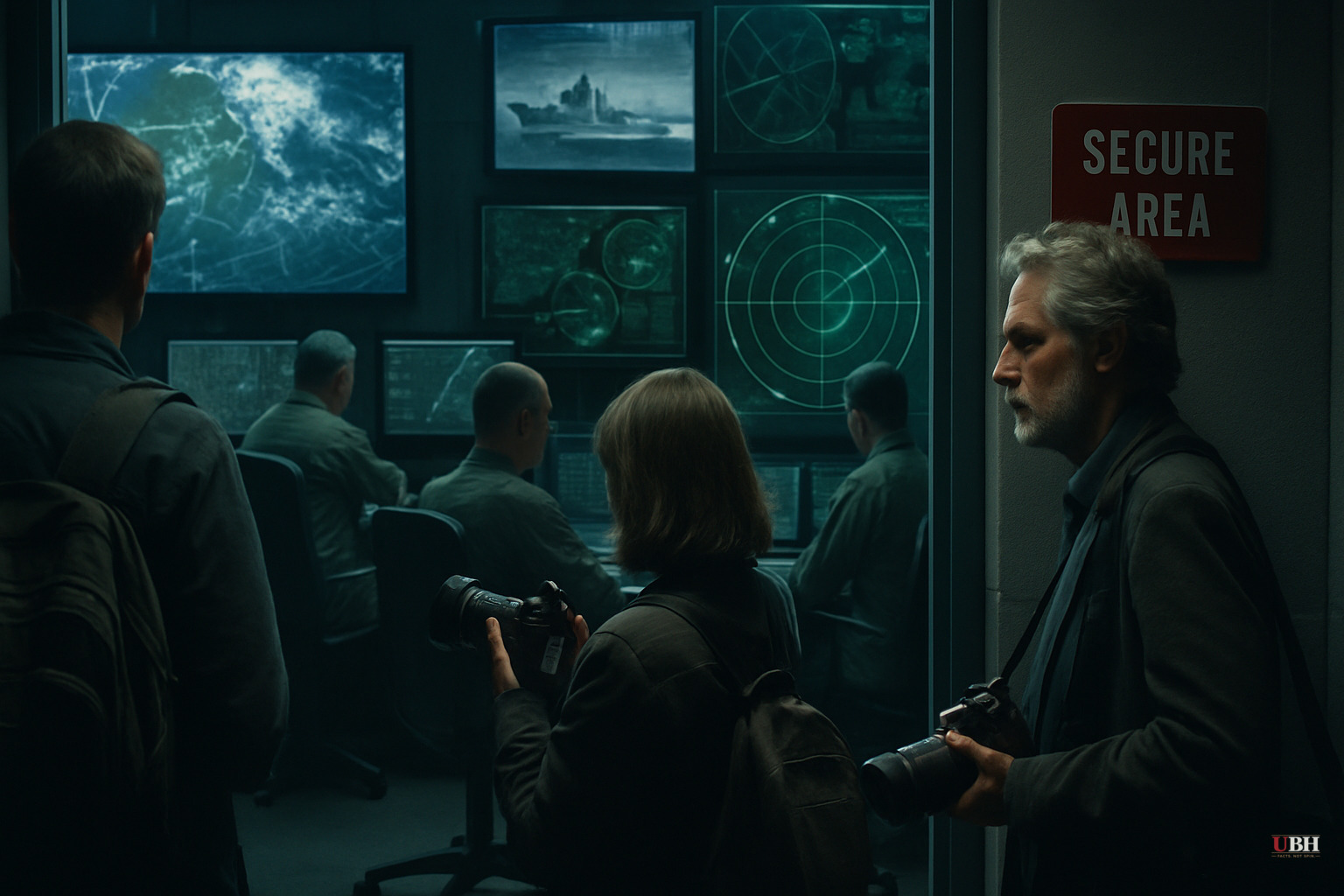
Acting Pentagon Press Secretary Joel Valdez announced Monday on X that the Pentagon's press office has been redesignated as a Sensitive Compartmented Information Facility (SCIF). That means journalists are no longer allowed inside.
Valdez said the change was necessary because speechwriters from Defense Secretary Pete Hegseth's office share the space and "routinely handle classified material and require SIPRNet access" — SIPRNet being the classified network the Defense and State Departments use to share sensitive information, according to The Hill.
"As a result, journalists will no longer be permitted to enter the office space. There's nothing controversial about that," Valdez said.
He also added: "This is the most transparent War Department in history. No amount of spin from the Fake News media will change that."
The Justification — And Why It Raises Questions
The SCIF rationale is technically legitimate. You cannot have uncleared civilians wandering through a space where classified networks operate. That's real policy, not theater.
The fix could have been moving the speechwriters instead of locking out the press. The press office exists to interface with journalists. Redesignating it as a classified space prioritizes the speechwriters over the reporters.
Valdez said access to the press secretary and the Office of the Assistant Secretary for Public Affairs remains "available by appointment only." That marks a departure from reporters' previous walk-in access. An appointment-only model means the Pentagon controls the timing, the topic, and who gets in.
Recent Pentagon Press Restrictions
This move comes amid a broader effort to restrict journalist access. According to The Guardian, the Defense Department began rolling out press restrictions in September, demanding journalists pledge not to report any information — including unclassified material — that hadn't been authorized for release. Refuse, and lose your press pass.
In October, dozens of veteran Pentagon reporters turned in their badges rather than sign. That same month, the department announced a "next generation of the Pentagon press corps" featuring 60 journalists from far-right outlets, according to The Guardian.
The New York Times sued the Pentagon over those badge policies. A federal judge ruled in the Times's favor in March. The Pentagon responded with an interim escort policy — journalists couldn't move through the building without an official escort. A district judge ruled that violated his order. An appeals court then stayed part of the ruling to let the government appeal. The New York Times filed a second lawsuit in May, per The Guardian, arguing the escort policy is "an unconstitutional attempt by the Pentagon to prevent independent reporting on military affairs."
What the Press Is Saying — and Getting Wrong
Mark Schoeff Jr., president of the National Press Club, called the redesignation a "remarkable and troubling escalation in the Defense Department's ongoing effort to restrict independent reporting," according to The Independent.
Left-leaning outlets like the Washington Post, which broke this story, and The Guardian frame this as a press freedom crisis. A SCIF designation carries real legal requirements, however, and the Pentagon's operational security rationale deserves examination.
Conservative media largely ignored this story or treated it as a non-issue. A government restricting independent oversight of its military isn't a partisan concern. It's an accountability issue. The Pentagon spending $886 billion in FY2024 deserves scrutiny.
A Standard Worth Considering
If the Obama Pentagon had locked reporters out of its press office and replaced credentialed journalists with left-leaning outlets hand-selected by the administration, the reaction would have been swift. The same standard should apply here. The Trump administration doesn't get a pass on press restrictions because they're calling it a SCIF.
What This Means for the Public
Reporters asking uncomfortable questions at the Pentagon serve a function that benefits the public — keeping tabs on how $886 billion gets spent, whether generals are telling the truth about wars, and whether the people in charge know what they're doing.
Appointment-only access, escort requirements, loyalty pledges, badge revocations, and a classified press office. Each step individually sounds defensible. Together, they add up to a military press operation that answers questions on its own terms, on its own schedule, to its own selected audience.
That's managed messaging, not transparency.
Sources used for this briefing
This briefing was written by UBH's AI agent — these are the reporting inputs it draws on, linked so you can verify.


