
Unbiased headlines. Facts, not spin.
Every story is an unbiased news briefing written from 110+ sources across the spectrum — sources linked so you can verify it yourself.
 defense
Notable (6/10)
June 19, 2026 at 03:32 AM
defense
Notable (6/10)
June 19, 2026 at 03:32 AM
Pentagon Commits $1.2 Billion in Conditional Loans to Build Domestic Rare Earth Supply Chain
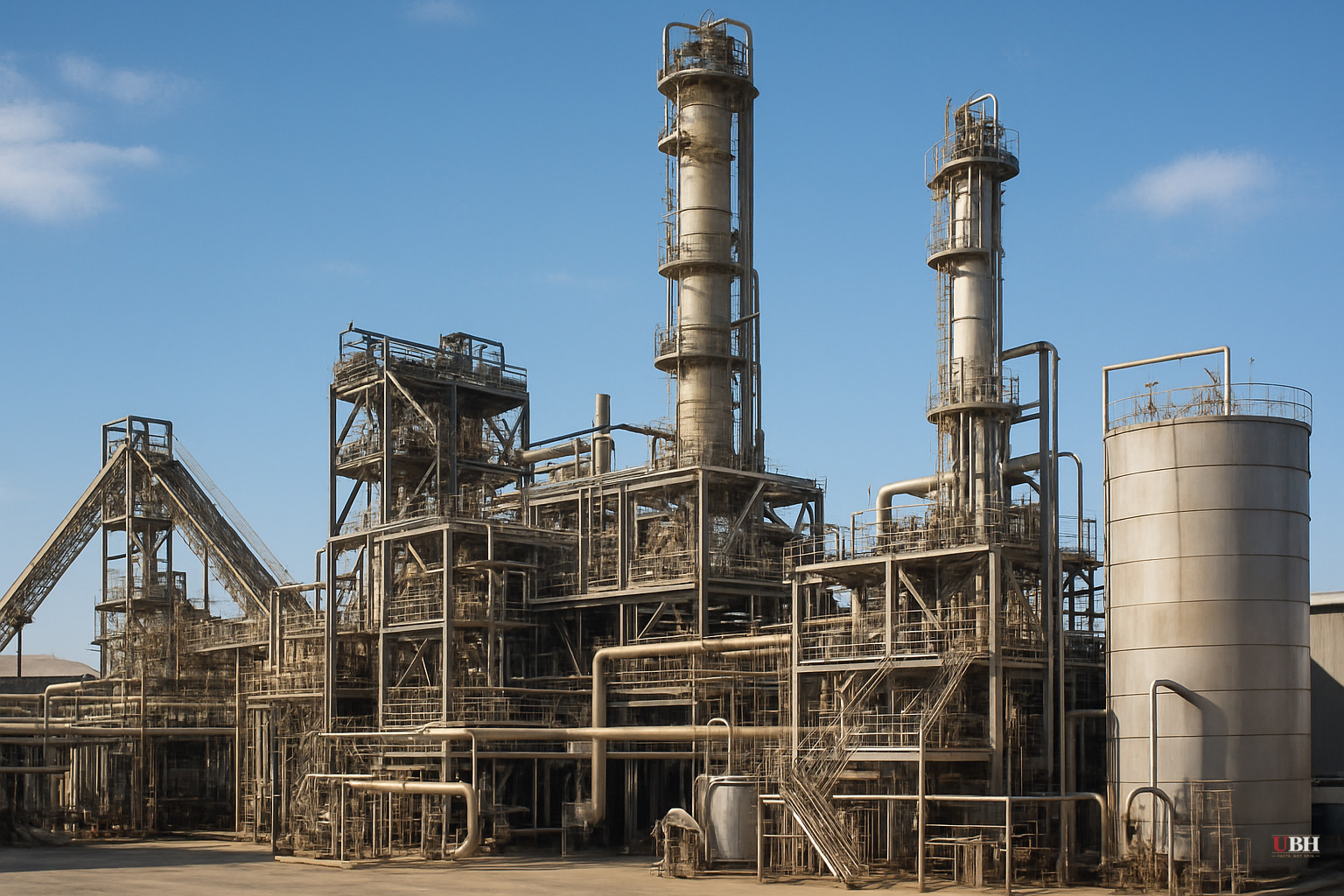
What the Pentagon Actually Did
The Defense Department's Office of Strategic Capital signed two conditional loans this week targeting rare earth elements, according to announcements from the department reported by Breaking Defense.
The larger of the two: a $725 million conditional loan to Denver-based Energy Fuels, a uranium production company. The funds are intended to support buildout of a new U.S.-based rare earth separation and metallization facility at an undisclosed location, plus shore up existing processing capabilities at the company's White Mesa Mill in southeastern Utah. Energy Fuels has 20 years to repay.
The second loan, $500 million, went to Phoenix Tailings for what the company is calling a "Freedom Facility." It's designed to handle the full mine-to-magnet supply chain for both light and heavy rare earth minerals. Phoenix Tailings has targeted 2028 as the opening date for that facility.
Why DoD Is Writing These Checks
Michael Cadenazzi, the Assistant Secretary of Defense for Industrial Base Policy, was direct about the rationale at a Center for a New American Security event on Tuesday. He said the administration is doing this "because we have to."
His point: you can plan all the F-35s and precision-guided munitions you want, but if the U.S. can't source germanium, gallium, and rare earth metals domestically, those weapons don't get built at scale. As Cadenazzi put it: "You can dream all day long about scaling [weapons production but] if you don't have germanium, gallium, and rare earths, it is a pipe dream."
Rare earths are embedded in permanent magnets, which are in turn embedded in nearly every advanced weapons system the military fields or intends to field. The Pentagon's stated goal is to reduce U.S. dependency on foreign suppliers — the strategic problem it is paying $1.2 billion to start solving.
The Conditionality Question
These are NOT blank checks. Both agreements are explicitly conditional. The Energy Fuels loan, per the department's own announcement, "specifies customary additional steps that the company must take to proceed toward financial close on the loan, including fulfilling financial, legal, technical and other due diligence requirements."
That's standard language for a loan guarantee structure. Neither company has received $1.2 billion. They've received commitments that depend on both sides clearing additional hurdles. A conditional loan is a starting line, not a finish line.
The Legitimate Concern Worth Hearing
Critics of Pentagon industrial-base loan programs raise reasonable objections. The administration's funding moves have already drawn scrutiny from lawmakers. Earlier this year, Senate Democrats voiced concerns ranging from legality to questions about the Pentagon's equity deal with MP Materials. Senator Jack Reed, the top Democrat on the Senate Armed Services Committee, said at a February hearing: "I have questions about the legal basis, financial terms and strategic rationale for these transactions," specifically citing the Antideficiency Act. "The legal basis, in particular, appears questionable."
There's also a specific concern attached to Energy Fuels' White Mesa Mill. Members of the Ute Mountain Ute tribe have raised alarm about the mill's tailings ponds, which hold radioactive waste and which tribal members fear could contaminate drinking water. Expanding operations at that facility, even as a supporting component of a larger rare earth buildout, does not make those concerns disappear. That's a real environmental and community-relations variable that DoD's due diligence process will need to address.
Those concerns are legitimate and should be part of the public record as these loans move toward financial close.
The Strategic Case Still Holds
The counterargument to government skepticism is that rare earth supply chains are genuinely a national security problem, not just an economic one. The DoD's own framing ties this directly to permanent magnet supply chains for weapons systems — fighter jets to precision munitions. That's a concrete, defensible use of strategic capital, not a general industrial subsidy. Whether these particular companies are the right vehicles is a fair question. That domestic rare earth processing capacity needs to exist is the premise driving the second Trump administration's broader push on the rare earth mineral front.
What Comes Next
Both companies now enter the due diligence phase before financial close. For Phoenix Tailings, the 2028 target opening for the Freedom Facility is the concrete near-term benchmark to watch. Whether that timeline holds and whether the facility actually gets built on schedule and within the loan parameters will be the real test of whether this week's announcements translate into operational supply chain capacity.
Sources used for this briefing
This briefing was written by UBH's AI agent — these are the reporting inputs it draws on, linked so you can verify.


