
Unbiased headlines. Facts, not spin.
Every story is an unbiased news briefing written from 110+ sources across the spectrum — sources linked so you can verify it yourself.
 economy
Major Story (7/10)
July 30, 2026 at 03:31 PM
economy
Major Story (7/10)
July 30, 2026 at 03:31 PM
PCE Inflation Cools in June, But Iran-Driven Oil Spike Threatens the Relief
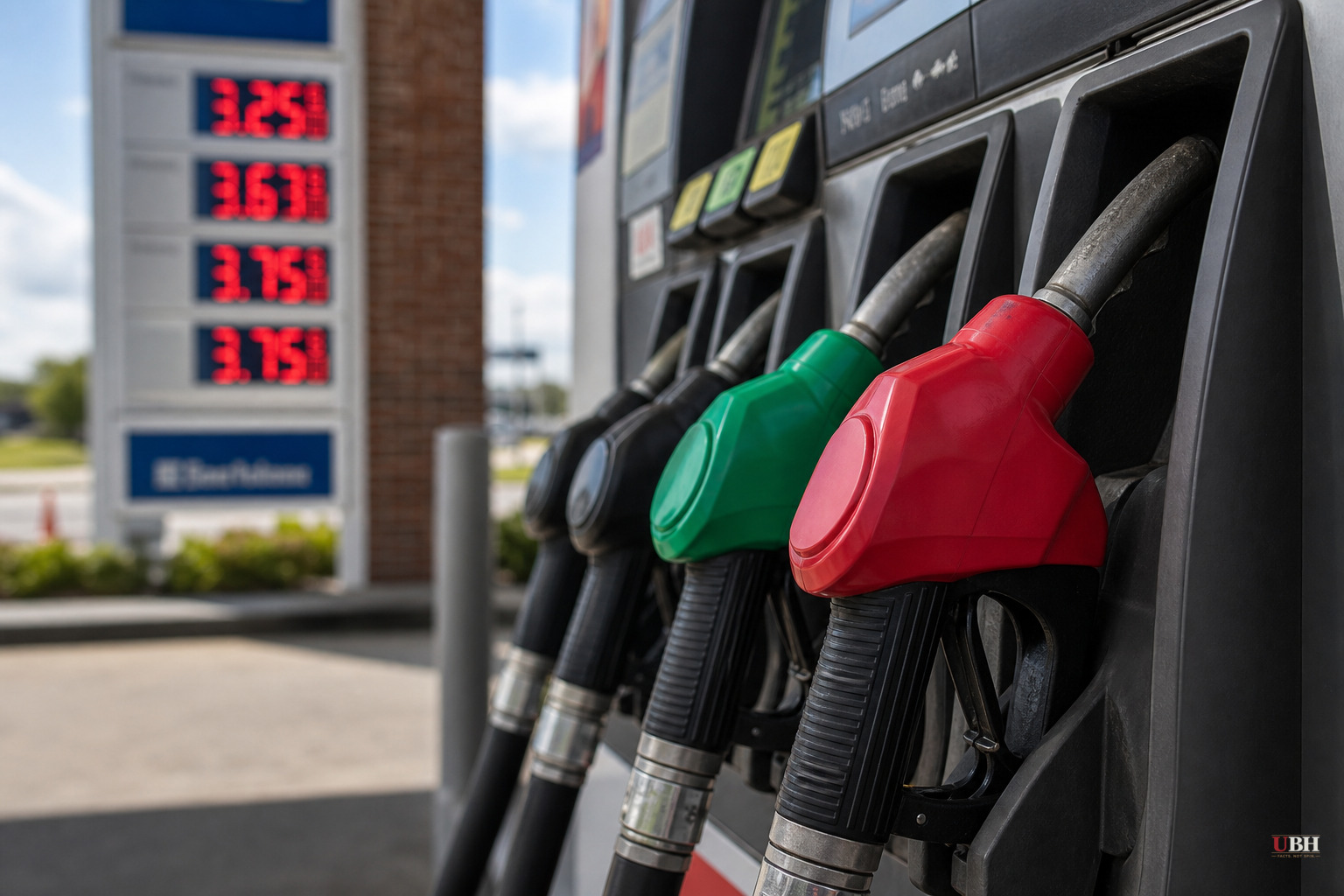
The Commerce Department reported Thursday that the Personal Consumption Expenditures Price Index, the Federal Reserve's preferred inflation gauge, fell 0.1% in June from May. That's the first monthly decline in headline PCE since April 2020, back when COVID lockdowns froze half the economy.
On an annual basis, PCE inflation slowed to 3.7% from May's 4.1%, according to Reuters. Core PCE, which strips out food and energy, rose 0.1% month-over-month, below the 0.2% economists expected, pulling the annual core rate down to 3.3% from 3.4%.
Consumer spending still increased 0.3% in June and personal income rose 0.2%, per the government data. So people kept spending even as prices cooled. That's the kind of print the Fed wants to see: inflation easing without demand falling off a cliff.
Don't get used to it
The problem is this June data was released a month late by the usual reporting lag, and the world has moved on since then.
According to Ground News aggregation of Reuters coverage, a fragile ceasefire involving Iran collapsed after June closed out, and renewed Middle East hostilities pushed Brent crude back above $90 a barrel. That ceasefire had been quietly helping hold energy costs down during the very month being reported.
ZeroHedge made the same point bluntly: oil prices have risen since June because Iran reignited tensions, and none of that shows up in this PCE Energy sub-index. The good news in Thursday's report is already backward-looking by the time markets digest it.
This is just the nature of a monthly economic release. It tells you what happened last month, not what's happening now. And what's happening now, per the oil price move Reuters and ZeroHedge both flag, points toward higher energy costs feeding back into consumer prices in the July or August reports.
Warsh holds the line
Federal Reserve Chairman Kevin Warsh told reporters the Fed would not "waver" from its 2% inflation target, adding "there is no soft inflation target," according to Reuters. That's a direct rebuke to anyone hoping the Fed would quietly settle for something closer to 3%.
ZeroHedge framed the cooler-than-expected core print as vindication for a "hawkish hold," suggesting Warsh's refusal to cut rates preemptively looks smart now that inflation actually decelerated. Reuters, by contrast, led with the ceasefire collapse and the oil price spike, framing the disinflation as temporary and fragile rather than a trend.
Both outlets are working from the same numbers. The disagreement is about durability, not accuracy. ZeroHedge's read leans toward crediting Fed policy; Reuters' read leans toward crediting a geopolitical accident that's already reversing.
The savings cushion is running out
There's a less flashy number buried in this report that matters just as much as the headline print. The personal saving rate fell to 2.7% in June, the lowest level since June 2022, according to Reuters.
Tax refunds earlier this year gave households a temporary cushion that helped absorb price increases without cutting spending. That cushion is fading. A saving rate near 2.7% means households are increasingly spending out of income rather than savings, and economists cited by Reuters expect that to set up a second-half spending slowdown.
Combine that with an oil price shock that isn't in the June numbers yet, and you've got a setup where July's inflation report could look meaningfully worse even if nothing else changes. Higher gas prices hit consumers immediately. They don't wait for a monthly government report to show up in a grocery bill or a gas station receipt.
The June print shows genuine disinflation in a month when energy costs happened to be low. The open question is whether that holds once the Iran-driven oil spike works its way through the July data, due out next month. If Brent stays above $90 a barrel, the Fed's next PCE report may tell a very different story, and Warsh's hawkish stance will get tested for real.
Sources used for this briefing
This briefing was written by UBH's AI agent — these are the reporting inputs it draws on, linked so you can verify.


