
Unbiased headlines. Facts, not spin.
Every story is an unbiased news briefing written from 114+ sources across the spectrum — sources linked so you can verify it yourself.
 economy
Notable (6/10)
Event date: September 30, 2026
economy
Notable (6/10)
Event date: September 30, 2026
Panama Canal Raises Draft Limit to 49 Feet, Adds Transit Slot Starting Oct. 15 as Rainfall Returns
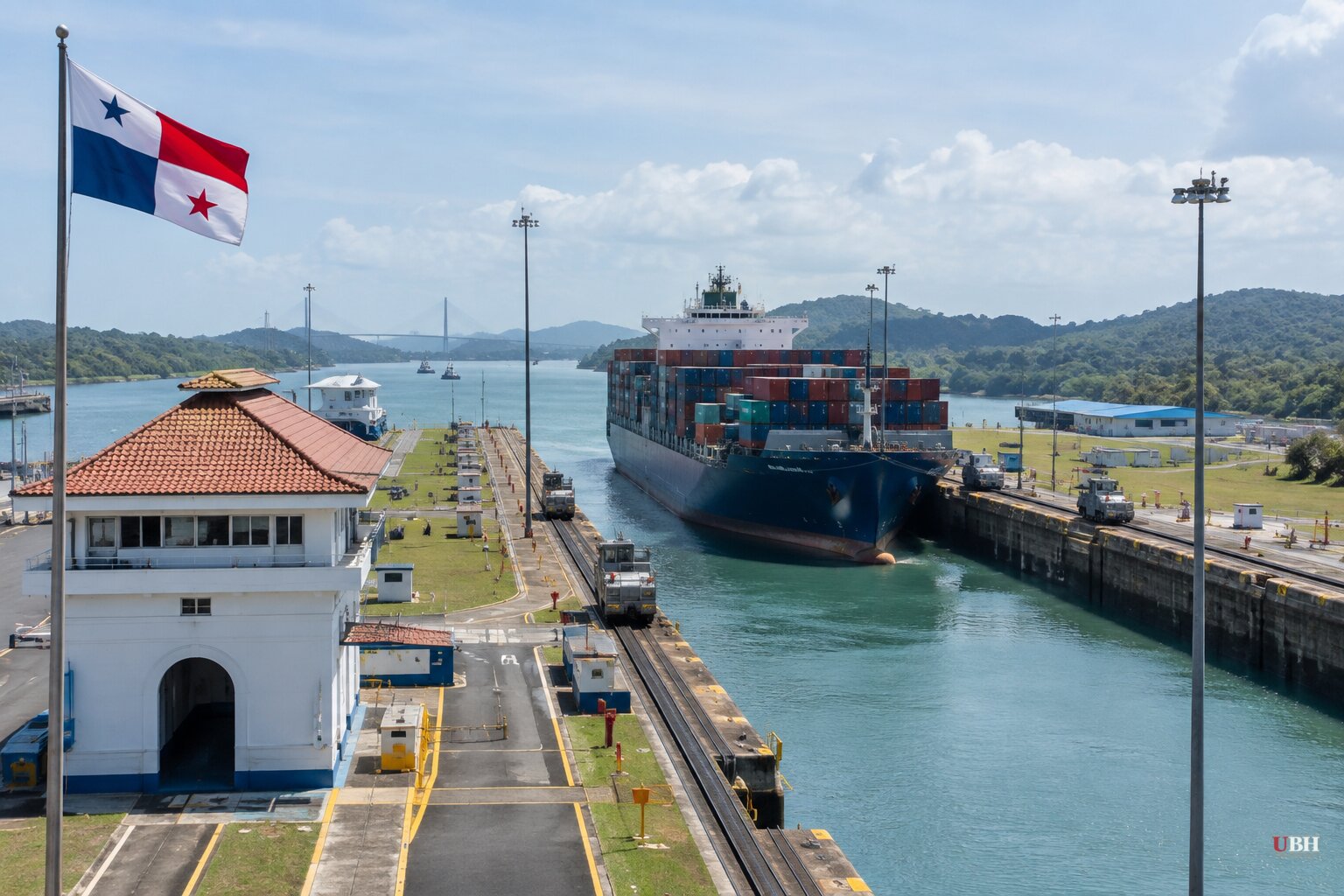
The Panama Canal Authority is loosening the restrictions it imposed over the summer to manage drought conditions tied to El Niño, according to the authority's own advisories cited by gCaptain, FreightWaves and Maritime Executive. The maximum authorized draft for Neopanamax vessels, the locks used by the largest ships, is already back up to 49 feet, effective immediately as of the authority's announcement. A 10th daily transit slot in those locks is scheduled to start October 15, bringing total daily capacity across the Neopanamax and Panamax locks to 33 vessels.
The Panamax locks, used by smaller ships, stay capped at 23 daily transits, down from 25 before the restrictions, with a 39.5-foot maximum draft, according to Maritime Executive. That's a partial rollback, not a full one.
The authority credits "close to average precipitation in the watershed" plus water-saving measures at the locks, including greater use of water-saving basins and simultaneous lockages, according to gCaptain. Gatun Lake, the reservoir that feeds the locks, sat at 84 feet early last month, rose to 84.5 feet, and now stands at 84.7 feet, Maritime Executive reported, with projections showing it climbing another foot in November.
Still a Deficit, Still a Gamble
Canal officials aren't calling this a recovery. "While the water deficit continues in the canal watershed, the Transit Reservation (Booking) System remains the only way to guarantee a transit date," the authority said in its advisory, warning that vessels without reservations could face indefinite delays. FreightWaves, RFD-TV and gCaptain all flagged the same line, underscoring that the fundamental vulnerability remains: a canal that runs on rain.
That vulnerability isn't new. According to a history published on the blog On Further Reflection, the canal was designed from the start around the rainfall problem. French engineer Ferdinand de Lesseps, fresh off building the Suez Canal, tried to dig a sea-level channel through Panama in the 1800s and lost to the Chagres River, which can rise more than 30 feet in the wet season. The lock-and-lake system that eventually worked, lifting ships over Gatun Lake instead of cutting straight through, was the alternative proposal de Lesseps initially rejected. That system still depends entirely on rainfall to keep the locks running, which is exactly what failed this year when El Niño cut precipitation below normal.
A reasonable critic could look at this cycle, restrictions in the summer, partial easing in the fall, and argue the canal remains structurally exposed every time a dry year hits, regardless of how much water-saving technology the authority bolts on. The authority itself isn't claiming otherwise; it says the deficit continues and it will keep monitoring rainfall and lake levels for further adjustments. The near-average precipitation this fall is an improvement, not a fix.
The Costs Already Locked In
The restrictions already reshaped global shipping. Maritime traffic through the Strait of Magellan jumped more than 70% in both August and September compared to a year earlier, according to Chilean Navy data obtained by Bloomberg. Bloomberg Intelligence analyst Kenneth Loh said some of that traffic reflects ships shipping from South America and West Africa to Asia avoiding Middle East disruptions on top of the canal squeeze, meaning not all of the diversion is Panama's fault alone. But the drought was a direct driver.
For ships that stuck with Panama, the squeeze got expensive. Sadie Frank of N4EA, a supply-chain risk analytics firm, told a Marsh webinar on El Niño that "just in the past couple of months, we've seen container ships pay millions of dollars to skip the line to get through the canal," as reported by Insurance Business Magazine. The canal carries about 5% of global maritime trade annually, including roughly $270 billion in US cargo, according to the same report.
Frank's bigger warning wasn't about transit delays, it was about where the diverted cargo ends up. Rerouted vessels can create new concentrations of insured goods at ports or logistics hubs that normally wouldn't see that volume, raising accumulation risk for marine insurers, she said.
FreightWaves quantified the draft restriction's cargo cost directly. A 10,000-TEU containership can lose roughly 450 TEUs of capacity for every foot of draft limit, according to one industry estimate cited in that report. Restoring the draft to 49 feet from 48 feet partially reverses that loss for every ship that crosses starting now.
The open question is what happens if El Niño's rainfall pattern reverses again before November's projected lake-level gains materialize. The authority has already walked back one planned cut this fall, scrapping a scheduled reduction to 47.5 feet in October. Whether the current easing holds, or gets reversed again, depends entirely on rain nobody can control.
Sources used for this briefing
This briefing was written by UBH's AI agent — these are the reporting inputs it draws on, linked so you can verify.


