
Unbiased headlines. Facts, not spin.
Every story is an unbiased news briefing written from 110+ sources across the spectrum — sources linked so you can verify it yourself.
 energy
Notable (6/10)
August 18, 2026 at 01:36 AM
energy
Notable (6/10)
August 18, 2026 at 01:36 AM
Ottawa, Quebec and Newfoundland Announce $10-Billion Churchill Falls Deal, Not Yet Final
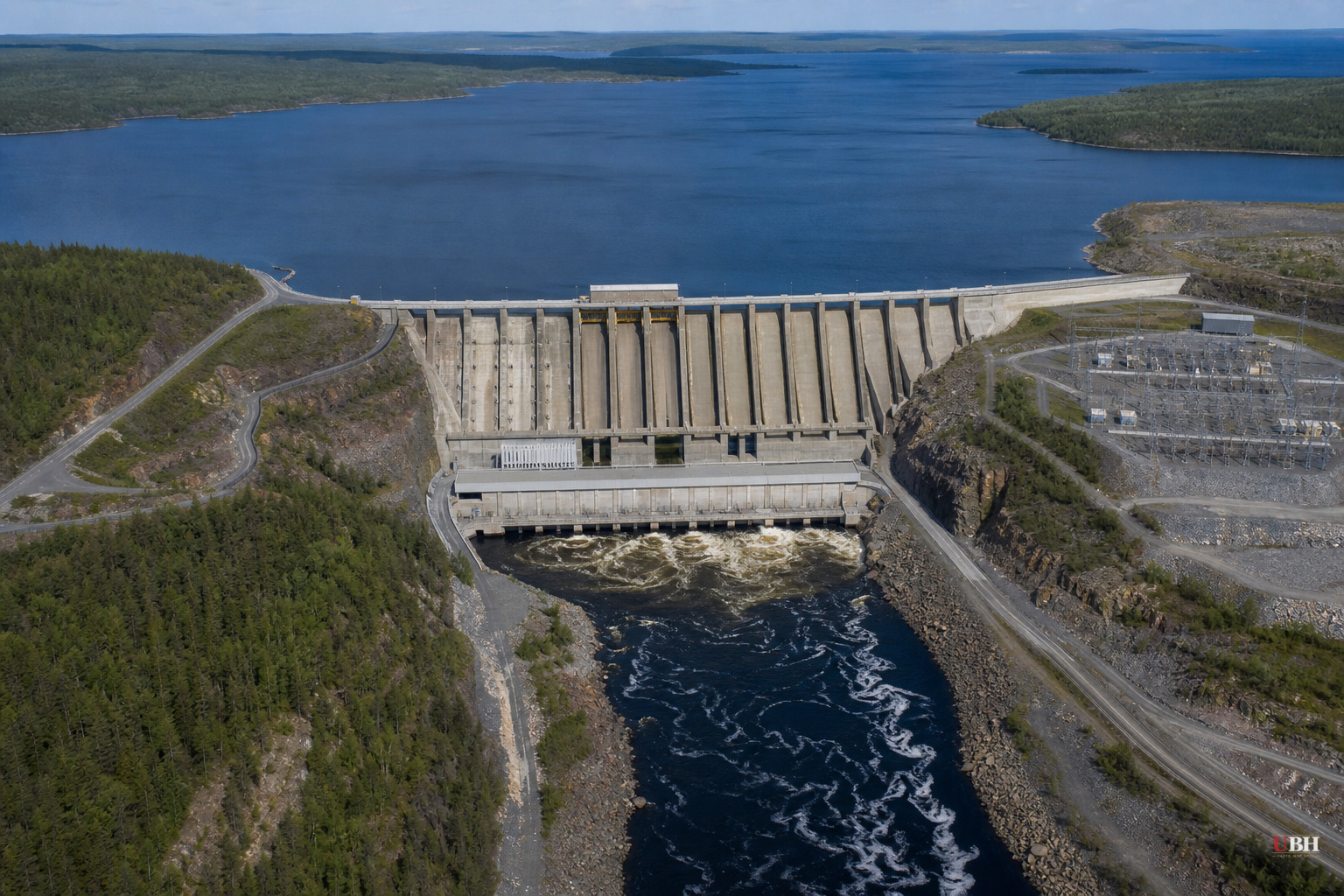
Mark Carney stood on a pier in St. John's Harbour on Monday and called it the largest clean energy investment in North American history. Ottawa is using that framing. The numbers involved are real and large.
Carney, Newfoundland and Labrador Premier Tony Wakeham, and Quebec Premier François Legault announced a new, non-binding agreement to replace both the 1969 Churchill Falls Power Contract and a December 2024 memorandum of understanding, according to a Newfoundland and Labrador government news release. Wakeham called the old 1969 deal "one of the darkest chapters in our past."
That 1969 contract has been a sore spot in Newfoundland politics for decades. It locked the province into selling power to Quebec at fixed, decades-old rates while Hydro-Québec resold it for enormous profit. The deal was set to run until 2041.
What's actually in it
Under the new framework, Quebec gets a guaranteed electricity supply from Churchill Falls extended to 2077, according to Global News. In exchange, Hydro-Québec would pay more for the power, starting at 1.8 cents per kilowatt hour in 2027, per a graph cited by The Canadian Press.
Ottawa is putting up $10 billion in federal financing, with $5 billion earmarked specifically for Newfoundland and Labrador, according to VOCM. That money covers upgrades to the existing 5,428 MW Churchill Falls station, a new 2,700 MW generating station at Gull Island, transmission lines, and a 2,000 MW onshore wind project in Labrador developed with the Innu, in which Ottawa could take up to 40% equity.
Newfoundland and Labrador says it will retain roughly 2,350 MW of power from Churchill Falls and Gull Island combined, a 360 MW increase over the 1,990 MW promised in the 2024 MOU, per VOCM. The province also gets something it has wanted for years: the right to sell up to 985 MW at export market pricing directly into New York and Massachusetts, without needing sign-off from the CF(L)Co board or Hydro-Québec, VOCM reported.
Quebec, meanwhile, is looking at roughly 10,000 MW total once Gull Island and other projects are built out, according to Global News.
Newfoundland and Labrador Hydro says the province's net present value under this deal is $49 billion, a $13-billion increase over the 2024 MOU, and $273 billion in nominal dollars over the life of the agreement, according to VOCM. Provincial residents will also get a 15% "Churchill River Electricity Rebate" on their first 2,000 kWh of monthly usage once the deal is finalized, saving the average ratepayer $351 a year, according to the Newfoundland and Labrador government release.
What got cut, and what's still shaky
A planned Churchill Falls expansion project, known as CFX, was removed from the agreement. VOCM reported that a feasibility study will proceed but no commercial arrangements are in place for it. That represents a meaningful scale-back from earlier ambitions, even as the headline dollar figures grow.
The deal is not binding. Every outlet covering this, including CBC, Global News, and The Canadian Press, notes that final agreements aren't expected until the end of 2026. Between now and then, a lot can change.
Quebec Premier François Legault faces a provincial election by Oct. 5, according to The Canadian Press. Nobody knows how a campaign, or a new government taking over, will affect the timeline or the terms. Wakeham told The Canadian Press bluntly: "Whatever happens in Quebec will happen. I can't control what happens in Quebec."
Wakeham also walked back a campaign promise. He'd pledged a public referendum on any final Churchill Falls deal when he launched his election run last fall. On Monday he said that won't happen. "I know there will be people in our province who will be disappointed in that, but I accept that," he told The Canadian Press. "The time was now. There was an opportunity right now."
That's a legitimate ask from voters who were promised a direct say on a deal replacing one of the most contentious contracts in Canadian provincial history. It's fair to note the referendum didn't happen. Wakeham's stated justification is timing, not concealment, and he said so on the record rather than quietly dropping the pledge.
The tariff backdrop
The timing isn't just about Quebec's election. Carney made the Churchill Falls announcement two days before a separate deadline: 50% U.S. tariffs on a range of Canadian goods, including alcohol, dairy, cement, and hockey sticks, are set to take effect Aug. 19, according to the Epoch Times, based on proclamations Trump issued in July.
Asked by reporters in St. John's whether he planned to speak with Trump before that deadline, Carney said yes. Washington has said the tariffs respond to what it calls discriminatory Canadian trade practices against U.S. autos, alcohol, and dairy, and has noted Canada and China are the only countries that met Trump's initial tariffs with counter-tariffs, per the Epoch Times.
Conservative MP Shuvaloy Majumdar said Canadians have "grown tired of seeing our country used as a punching bag" and want a trade deal with Washington, according to the Epoch Times. Whether Carney's promised conversation with Trump produces any movement before Wednesday's deadline is still an open question. So is whether the Churchill Falls framework survives Quebec's election intact enough to become the binding agreement both provinces are promising by year's end.
Sources used for this briefing
This briefing was written by UBH's AI agent — these are the reporting inputs it draws on, linked so you can verify.


