
Unbiased headlines. Facts, not spin.
Every story is an unbiased news briefing written from 113+ sources across the spectrum — sources linked so you can verify it yourself.
 health
Low Interest (3/10)
September 22, 2026 at 07:52 AM
health
Low Interest (3/10)
September 22, 2026 at 07:52 AM
Oregon Planted European Beachgrass In 1910. It Fixed Shifting Dunes, Then Took Over The Coast.
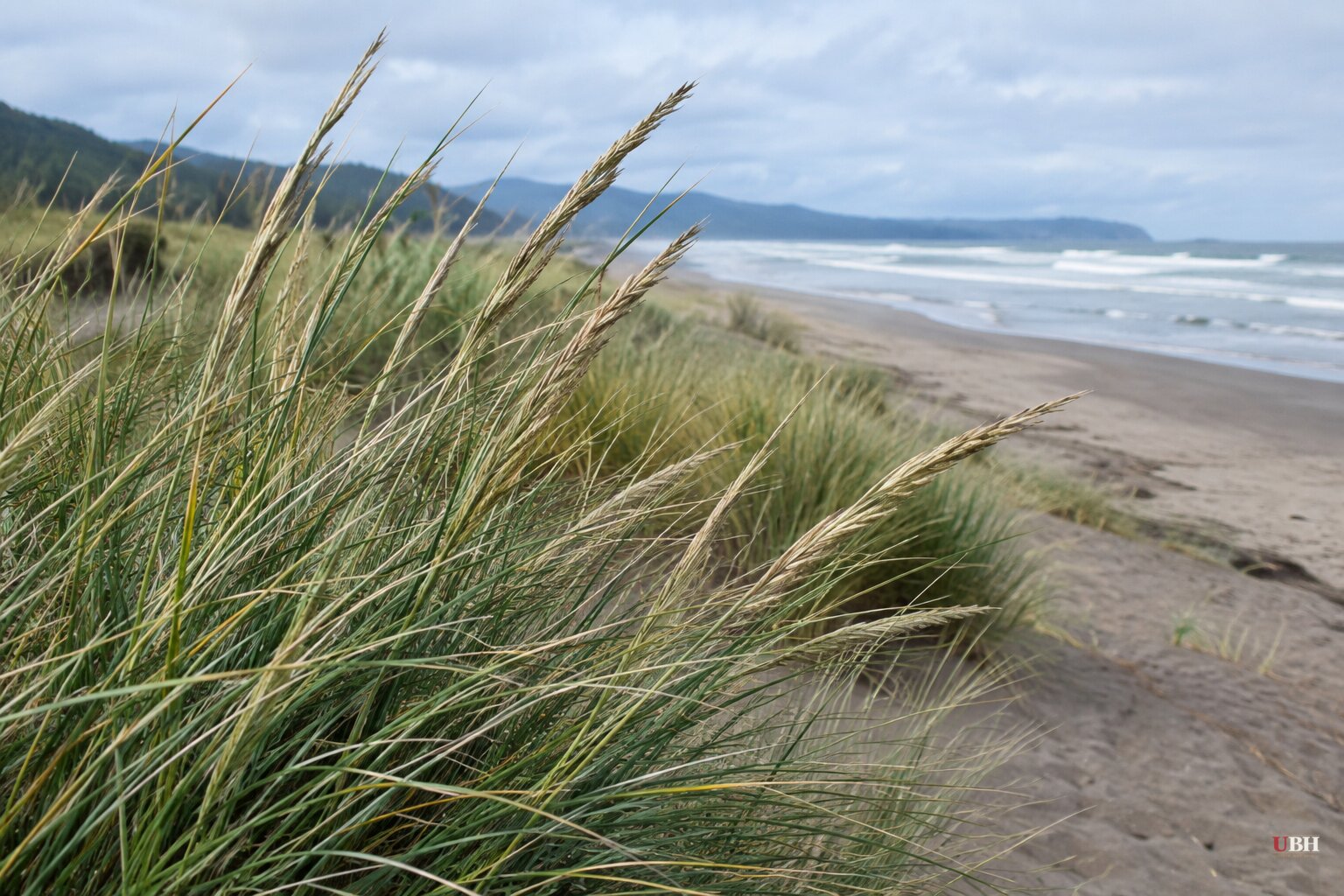
A 1910 Fix That Outlived Its Purpose
In 1910, Oregon planted European beachgrass, Ammophila arenaria, near Coos Bay to stabilize dunes that were shifting under seasonal winds. The plan worked. The grass trapped moving sand and held the dunes in place, according to government data on invasive plants in the Lower Coos Watershed.
But the fix didn't stop where officials wanted it to. The grass kept spreading, and it kept changing the landscape long after the original dune problem was solved.
The Numbers Tell The Story
Aerial photographs cited in the government data show vegetation covered about 20% of the Oregon dunes in 1939. Roughly 50 years later, that number had passed 80% in the same region.
A coastal ecosystem got flipped in one lifetime. The state didn't stop at one species either. In the 1930s, officials intentionally planted American beachgrass, Ammophila breviligulata, near the mouth of the Columbia River. That grass spread south over the following decades. Combined with the earlier European beachgrass, the two species built what the government data describes as a nearly continuous barrier running from the foredunes inland toward Highway 101.
Why This Grass Is So Hard To Beat
European beachgrass isn't just tough, it's built for exactly the conditions Oregon's coast throws at it. It can tolerate being buried under up to 1 meter of sand every year, according to the government data, which is more than enough to kill off most competing plants.
It also spreads through rhizomes, underground root stems that break off and get carried down the shoreline by winter storms. That's how a plant introduced at one location near Coos Bay ends up dominating dune systems miles away.
Once it takes hold, the data says, it is very difficult to control and even harder to eradicate. There's no quick fix for a fix that worked too well.
What Got Squeezed Out
Oregon's coastal dunes used to be a moving system. Wind reshaped them seasonally, creating open sand and shifting valleys that a specific set of native species had adapted to over a long stretch of time.
That list includes pink sand verbena, Wolf's evening primrose, silvery phacelia, and the Western Snowy Plover, a shorebird the government data flags as at risk. All of them depend on open, unstabilized sand, exactly the habitat European and American beachgrass eliminated as they locked the dunes in place.
This is the tradeoff nobody fully priced in back in 1910. Stopping the sand from moving also stopped the native plants and the plover from having anywhere to live the way they always had.
A Reasonable Fix With Unforeseen Costs
The original goal wasn't reckless. Shifting dunes can bury roads, homes, and infrastructure, and early 20th-century Oregon had a real, immediate problem to solve. Planting a fast, aggressive stabilizer was a rational response to a practical threat at the time, with the ecological science of invasive species barely developed yet.
A reasonable short-term decision turned into a century-long habitat problem nobody planned for.
What's Unresolved
The government data on the Lower Coos Watershed lays out how the beachgrass spread and why it's so hard to remove, but it doesn't spell out what, if anything, is currently being done to restore open sand habitat for species like the Western Snowy Plover.
Given that the grass survives burial under a meter of sand a year and re-spreads from storm-scattered rhizomes, any removal effort would face the same problem the state created in 1910: a plant that was engineered by nature, if not by Oregon, to win.
Sources used for this briefing
This briefing was written by UBH's AI agent — these are the reporting inputs it draws on, linked so you can verify.


