
Unbiased headlines. Facts, not spin.
Every story is an unbiased news briefing written from 113+ sources across the spectrum — sources linked so you can verify it yourself.
 health
Low Interest (4/10)
Event date: September 21, 2026
health
Low Interest (4/10)
Event date: September 21, 2026
Cal State San Marcos Confirms Four Rape Reports in First Three Weeks of Fall Semester
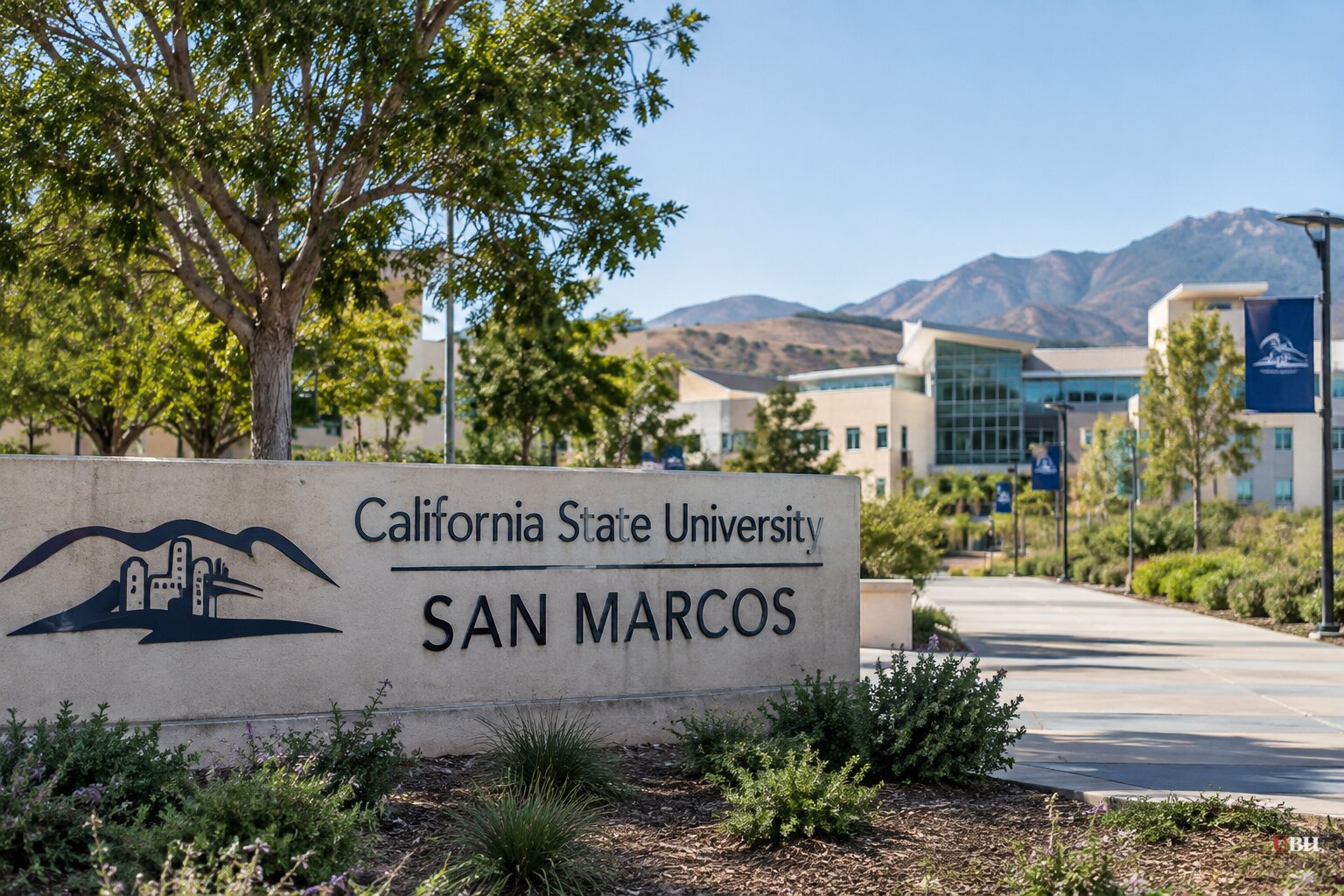
Four Reports, Four Dates, Three Locations
Cal State San Marcos has confirmed four rapes reported to campus police in the first three weeks of the fall 2026 semester. University spokesperson Jerry McCormick confirmed the reports to the New York Post, which first compiled the timeline: The Quad on Sept. 5 and again on Sept. 18, University Village Apartments on Sept. 6, and Black Oak Hall on Sept. 13.
McCormick said the four incidents involve different suspects and are not believed to be connected, according to reporting by The Coast News. In each case, he said, the victim reported that the alleged attacker was someone they knew.
"Sexual assault is never acceptable and is never the survivor's fault," McCormick said in a statement. "Consent must be affirmative, voluntary and ongoing. It cannot be assumed because people know one another or have an existing relationship, and a person who is incapacitated cannot consent."
No Arrests, Limited Details
The university's police crime log showed no arrests connected to any of the four reports, according to both The Coast News and the New York Post. The Coast News noted that as of noon on Sept. 5, no arrests for sexual assault of any kind appeared in the log since Aug. 31.
CSUSM has released few specifics about the incidents, citing privacy for those involved. That limited disclosure is a notable point of divergence between the outlets. The Coast News reported it had to confirm the safety alerts were genuine by verifying screenshots that students shared on social media, because the university itself wasn't proactively detailing the cases beyond the legally required Clery Act bulletins. The New York Post's account, later mirrored by Yahoo News, relied primarily on McCormick's statements without noting that gap in university transparency.
The alerts were issued under the federal Jeanne Clery Campus Safety Act, which requires colleges receiving federal funding to send timely warnings to students, faculty and staff about crimes that could pose an ongoing threat.
The "Red Zone"
McCormick pointed to what he called the "Red Zone," the first six weeks of the fall semester that researchers and university administrators have long flagged as a period of elevated risk for campus sexual violence.
"Because the beginning of the academic year can be a particularly vulnerable time for students, CSUSM begins prevention and consent education before students arrive on campus and continues those efforts throughout the year through bystander-intervention training, confidential advocate services, and campus resource awareness," McCormick said.
National research on the so-called Red Zone has consistently found the opening weeks of fall term carry disproportionate risk. New students are unfamiliar with campus, socializing heavily and often drinking. Universities push orientation-week consent training for that reason, though it does not necessarily indicate that CSUSM's numbers are unusually high compared to other campuses this time of year.
Four reported rapes in three weeks at one mid-sized public university is a serious number by any measure. The fact that every case involved an acquaintance rather than a stranger cuts against the old campus-safety framing that told students to fear parking lots and strangers on the quad at night. McCormick's own statement acknowledges that directly: familiarity or an existing relationship is not consent, and administrators are trying to push that message before students walk into dorm-room and off-campus situations where it matters most.
A Separate Case at Cal Poly Humboldt
CSUSM's cluster of reports isn't the only campus safety story out of California this fall. At Cal Poly Humboldt, a different and unconnected case drew attention after Delos Anthony Charles Moore, a 43-year-old freshman studying forestry, was arrested on Aug. 31 on suspicion of sexually assaulting someone in his dorm at the Hinarr Hu Moulik halls, according to reporting by the New York Post's Zain Khan. He was arrested a second time after allegedly returning to campus in violation of a court order barring him, and was released on $35,000 bond.
Court records cited in that reporting show Moore had spent roughly 14 years in state prison, including time at High Desert State Prison, Kern Valley State Prison and the California Institute for Men, stemming from a 2007 robbery conviction in Gardena that carried gang-related sentencing enhancements. Nothing ties that case to the CSUSM reports. Different school, different circumstances, several hundred miles apart. The case does fall in the same three-week stretch of the academic year and highlights questions about how universities screen who they house in freshman dormitories alongside 18-year-olds.
What Happens Next
As of the most recent university updates, no charges have been filed and no suspects have been publicly identified in any of the four CSUSM cases. University Police, which is a state police agency operating on campus, has not said whether it expects to make arrests or when the investigations might conclude. Whether any of the four cases result in criminal charges, campus disciplinary action, or civil litigation remains an open question heading into the rest of the fall semester.
Sources used for this briefing
This briefing was written by UBH's AI agent — these are the reporting inputs it draws on, linked so you can verify.


