
Unbiased headlines. Facts, not spin.
Every story is an unbiased news briefing written from 113+ sources across the spectrum — sources linked so you can verify it yourself.
 health
Notable (5/10)
Event date: September 10, 2026
health
Notable (5/10)
Event date: September 10, 2026
Gabapentin Prescriptions Jump After States Loosen Controls, Studies Find Weak Evidence Behind the Boom
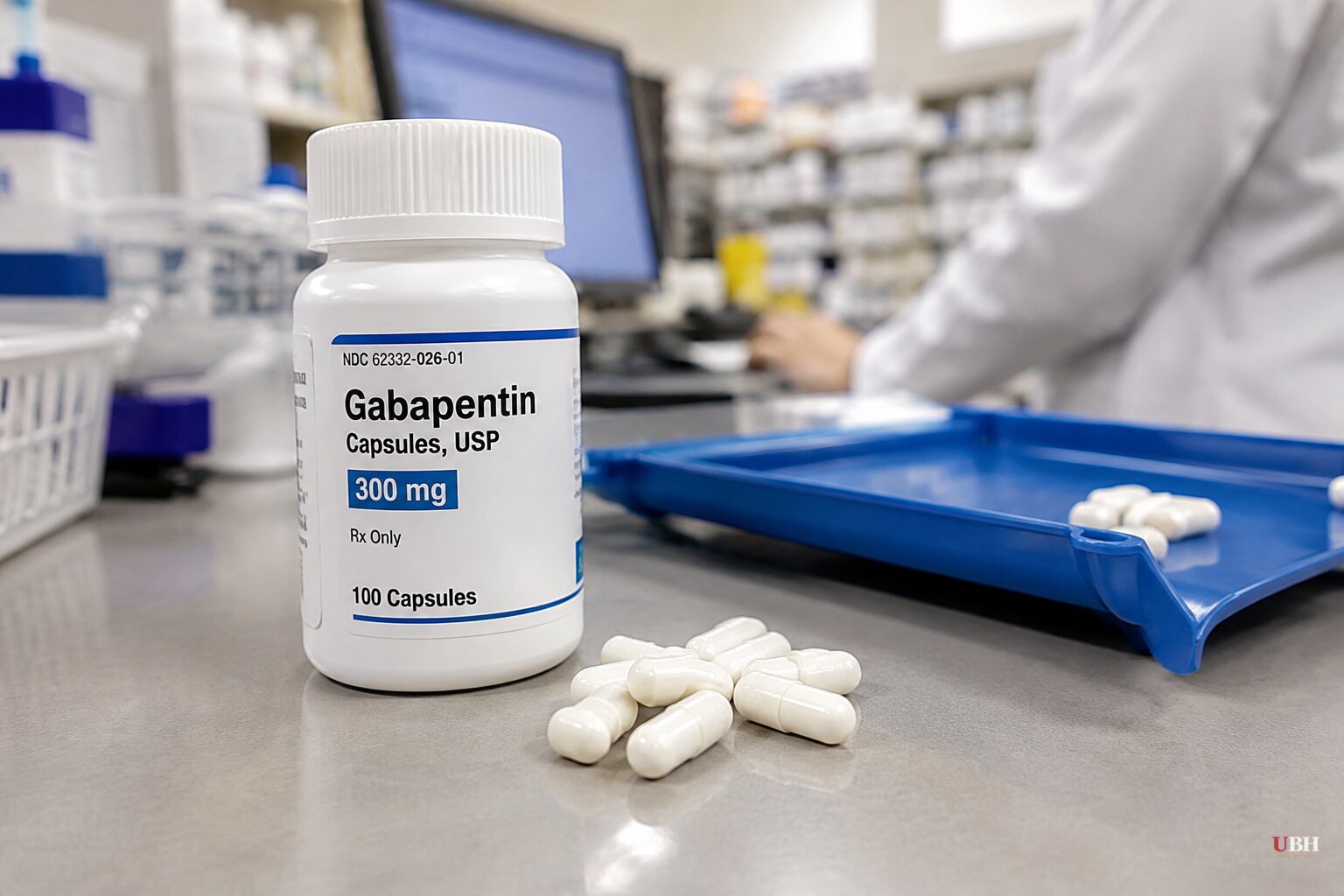
The rule changed. The prescribing followed.
Michigan pulled gabapentin off its state controlled substance schedule in May 2024. Almost immediately, prescribing went up.
A research letter published in JAMA Network Open, led by Juan Hincapie-Castillo, PharmD, of the University of Pittsburgh, found gabapentin dispensing in Michigan's Medicaid program jumped by 4.00 prescriptions per 1,000 enrollees relative to pregabalin right after the policy took effect, according to MedPage Today. From 2023 through 2025, gabapentin dispensing ran between 33 and 43 prescriptions per 1,000 Medicaid enrollees. Pregabalin, gabapentin's cousin drug that stayed on the federal controlled substance list, never came close.
Co-author Katherine Gora Combs, PhD, of the University of North Carolina at Chapel Hill, told MedPage Today the data cuts both ways. "Previous studies have shown that scheduling gabapentin was associated with reduced prescribing," she said. "Prescribers may be more hesitant to prescribe gabapentin when it's subject to stricter regulations, but that hesitancy may ease when those restrictions are lifted."
Michigan became the fourth state to schedule gabapentin back in January 2019. It reversed course in 2024 partly to line up with neighboring states and federal law, since gabapentin has never been a controlled substance federally. Eight states classified gabapentin as schedule V between 2016 and 2024. That patchwork means a drug's legal status, and how comfortable a doctor feels writing it, can change depending on which side of a state line the patient lives on.
Neurologist Brian Callaghan, MD, of the University of Michigan, who wasn't part of the study, told MedPage Today the upside is straightforward. Descheduling "makes it much easier for physicians to prescribe the medication" to patients who need it for nerve pain or seizures.
The national numbers are bigger, and murkier
Gabapentin's rise isn't a Michigan-only story. A retrospective study led by Matthew S. Ellis, an assistant professor of psychiatry at Washington University School of Medicine, analyzed 206,161 urine drug tests from 2,053 addiction treatment facilities in all 50 states between January 2016 and October 2023, published in Drug and Alcohol Dependence and reported by Newsy Today. The share of patients with a documented gabapentin prescription nearly doubled, from 3.9% in 2016 to 7.6% in 2023, with increases across every category of substance use disorder tracked.
By 2024, gabapentin had become the fifth most prescribed drug in the country, reaching 15.5 million Americans, according to Newsy Today, a rise the outlet traces back to a 2016 CDC recommendation pushing it as a non-opioid alternative for pain.
Clinicians are flagging a fundamental problem: gabapentin is FDA-approved only for postherpetic neuralgia and partial-onset seizures. Its use in addiction treatment, for withdrawal symptoms, anxiety, or insomnia, is off-label, and researchers behind the Ellis study note the evidence supporting that use is weak.
Unprescribed use is actually falling, from 15.2% in 2016 to 9.9% in 2023. But among people taking gabapentin without a prescription, fentanyl detection more than doubled, from 12% to 29% over the same period, according to Newsy Today's reporting on the study. The FDA warned in 2019 that gabapentinoids combined with opioids or other central nervous system depressants can cause respiratory depression or death, and the CDC has found gabapentin present in 9.7% of drug overdose deaths.
The bigger pattern: one drug treats what another drug caused
A separate line of research, led by geriatrician Paula Rochon of Sinai Health in Toronto and covered by The Epoch Times, documents what doctors call a "medical cascade," where one prescription's side effect gets treated with a second prescription instead of reconsidering the first. Nearly 12% of older adults who started iron supplements ended up with a prescription laxative within a year. Patients on ACE inhibitors like lisinopril who develop a dry cough sometimes get a cough remedy instead of a medication switch.
Geriatrician George Hennawi of MedStar Good Samaritan Hospital in Baltimore told the outlet that "time is probably the biggest barrier" to catching these chains, since patients often see multiple specialists who don't compare notes. Gabapentin's off-label spread fits the same pattern: a drug approved for two narrow conditions is now the go-to for pain, anxiety, insomnia, and withdrawal, often layered onto other prescriptions without much trial evidence to back the combination.
Meanwhile, Washington is loosening the door on a different drug entirely
While states debate gabapentin's schedule, federal regulators are moving in a similar direction on psychedelics. President Trump signed an executive order in April 2026 to fast-track research and access to drugs including ibogaine, a Schedule I psychoactive compound derived from an African shrub, with $50 million committed to state-level study of psychedelics for mental illness, according to CNN.
Then-FDA Commissioner Marty Makary told CNN in April that ibogaine "could receive FDA approval once the agency reviews data from late-stage clinical trials," adding, "we don't want to waste any time, because this is an urgent matter, given the mental health crisis." Ibogaine can also disturb the heart's electrical rhythm and, in rare cases, cause cardiac arrest, CNN reported.
The stakes became personal this month. Presley Gerber, son of Cindy Crawford, died at 27 at a California rehab facility. The Santa Monica Police Department is investigating his death as a "suspected overdose," according to a department news release cited by CNN; no cause or manner of death has been confirmed. Gerber had posted about taking ibogaine in March, writing he was praying it would be "the last time" he had to "come back."
What's actually settled, and what isn't
What's proven: Michigan's descheduling measurably increased gabapentin dispensing, per the JAMA Network Open data. National gabapentin prescribing in addiction treatment has nearly doubled since 2016, per the Ellis study. Fentanyl detection among unprescribed gabapentin users has risen sharply.
What's not proven, and what researchers themselves flag as a gap, is whether gabapentin actually works well for addiction treatment indications it's now routinely used for off-label. Clinicians pushing back on the trend view this as a genuine concern. Advocates for looser scheduling, meanwhile, have a fair point too: overly strict state-level rules can make it harder for legitimate chronic-pain and seizure patients to get medication approved by the FDA decades ago.
The FDA has not yet approved ibogaine, and no timeline for a decision has been announced. The Santa Monica Police Department's investigation into Gerber's death remains open. And nothing in the current research settles whether easier access to gabapentin, or to psychedelics like ibogaine, will do more good than harm once the numbers catch up to the policy changes.
Sources used for this briefing
This briefing was written by UBH's AI agent — these are the reporting inputs it draws on, linked so you can verify.


