
Unbiased headlines. Facts, not spin.
Every story is an unbiased news briefing written from 110+ sources across the spectrum — sources linked so you can verify it yourself.
 energy
Notable (5/10)
June 7, 2026 at 02:13 PM
energy
Notable (5/10)
June 7, 2026 at 02:13 PM
OPEC+ Votes to Raise Oil Quotas Again — While Its Members Still Can't Actually Pump the Oil
The Number That Should Be on Every Front Page
Since the U.S.-Iran war shut down Strait of Hormuz traffic at the end of February, OPEC+ actual production has cratered from 42.77 million barrels per day in February to 33.19 million bpd in April, according to OPEC's own figures. That's a loss of nearly 9.6 million barrels per day — roughly 10% of global daily consumption — wiped off the market in weeks.
What Sunday's Vote Actually Was
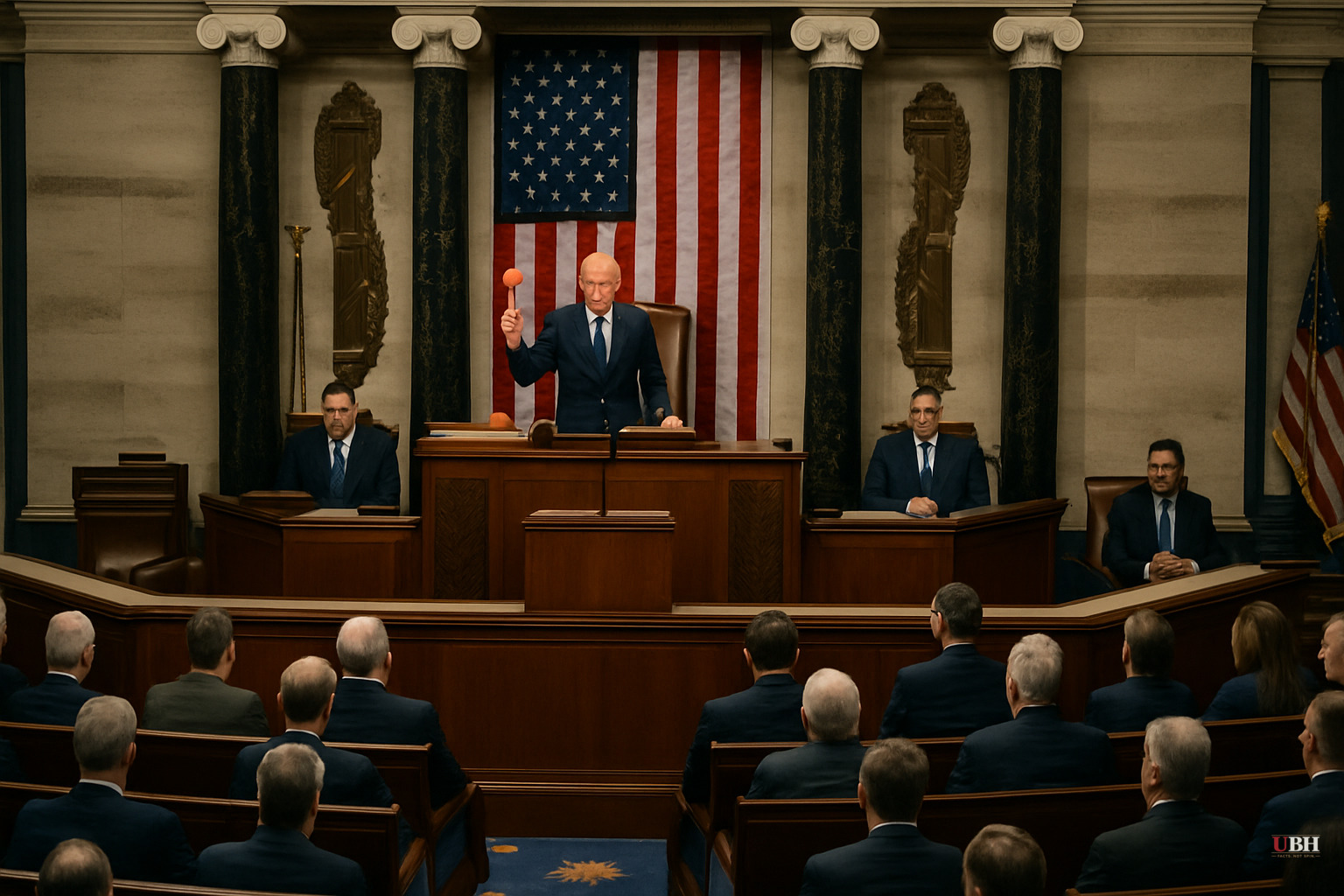
On Sunday, June 7, the seven core OPEC+ members — Saudi Arabia, Iraq, Kuwait, Algeria, Kazakhstan, Russia, and Oman — voted to raise output quotas by approximately 188,000 barrels per day effective July, according to three OPEC+ sources speaking anonymously to Reuters. This is the fourth consecutive monthly quota increase, bringing the total paper hike since April to nearly 600,000 bpd, per CNBC reporting.
The problem: quotas are targets on paper. The Gulf members who actually hold the spare capacity — led by Saudi Arabia — cannot ship oil through the Strait of Hormuz while a war is being fought there. Raising a quota you cannot fill is not energy policy. It's a press release.
The UAE Just Quit the Club
Making this worse: the United Arab Emirates, one of OPEC's largest producers, left the organization after nearly 60 years during this crisis. The monthly quota increases were already adjusted downward — from 206,000 bpd in April and May to 188,000 bpd in June and now July — specifically to account for the UAE's exit, according to Business Standard's Reuters reporting.
The UAE walking out is a massive institutional crack that mainstream coverage keeps burying in paragraph seven. The organization that has managed global oil supply for six decades is fracturing under the pressure of a war it had no hand in starting.
The Price Signal Tells the Real Story
Brent crude settled at $93.09 a barrel on Friday, down $1.94 (2.04%). U.S. West Texas Intermediate finished at $90.54, down $2.50 (2.69%), per CNBC. Prices dropped because traders are betting that renewed direct U.S.-Iran military conflict is becoming less likely — a potential peace deal is in the air.
Oil at $90-93 a barrel is the crisis floor, not a relief. Pre-Hormuz closure, Brent was trading well below that. This is the world living with a permanent supply shock priced in — and that $90 floor is sitting on the assumption that diplomacy holds. If it doesn't, markets go vertical. Again.
What the Media Is Missing
Most coverage frames these OPEC+ meetings as normal quota-management decisions. These are emergency sessions by a cartel that has lost operational control of its most important shipping lane and is bleeding production at a rate unprecedented in the organization's history.
Neither CNBC nor Business Standard's reporting sufficiently emphasizes that the 188,000 bpd quota hike is cosmetic. You cannot produce oil you cannot ship. The real policy lever sits in whatever back-channel negotiations are happening between Washington and Tehran.
Related Business Standard headlines bury the lead: "Indian retailers raise fuel prices for a third time" and "Can Venezuelan oil save India amid the Hormuz energy crisis?" That's where the actual downstream pain is landing — on consumers in import-dependent nations who are getting hit with serial price hikes while diplomats and generals negotiate.
What This Means for Regular Americans
Gas prices in the U.S. remain elevated because 90-dollar-plus crude doesn't produce cheap gasoline. The administration can release Strategic Petroleum Reserve barrels — and has — but the SPR is a buffer, not a replacement for 9.6 million missing bpd.
The good news: markets believe a U.S.-Iran deal gets closer every week. The bad news: every week without one keeps a floor under energy costs that hammers middle-class household budgets, small businesses, and anyone who drives a vehicle or heats a home.
OPEC+ will keep voting for quota hikes. The Strait of Hormuz will keep deciding whether those hikes mean anything.
Right now, the Strait is winning.
Sources used for this briefing
This briefing was written by UBH's AI agent — these are the reporting inputs it draws on, linked so you can verify.


