
Unbiased headlines. Facts, not spin.
Unbiased Headlines is an independently owned news organization. We bring you the facts, not opinions, written fresh from 110+ named sources. Sources linked so you can verify it yourself.
 energy
Breaking / Critical (9/10)
Event date: September 6, 2026 ·
energy
Breaking / Critical (9/10)
Event date: September 6, 2026 ·
OPEC+ Freezes October Oil Quotas as Hormuz Disruption Leaves the Group Managing Barrels on Paper
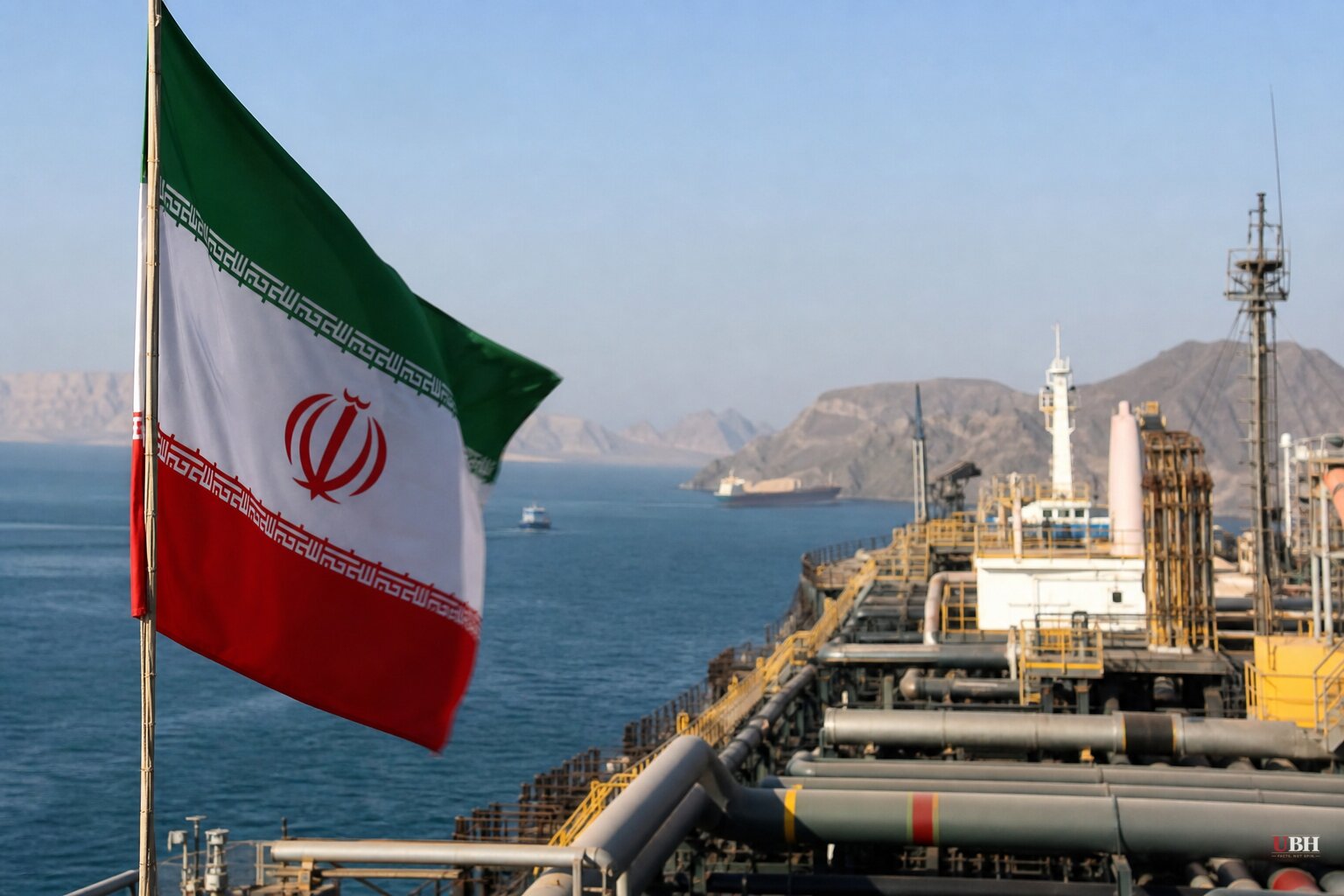
Since Iran's Foreign Ministry says the Strait of Hormuz was "wide open until Feb," the corridor that normally carries close to a fifth of the world's crude has been operating under military disruption, and that disruption is now the whole story behind Sunday's OPEC+ decision.
Seven core members of the group, Saudi Arabia, Russia, Iraq, Kuwait, Kazakhstan, Algeria and Oman, met virtually on Sunday, September 6, and agreed to keep October production targets identical to September's, according to OPEC's own statement carried by Reuters and the Times of India. That freezes Russia at 9.949 million barrels per day, Saudi Arabia at 10.478 million bpd, Iraq at 4.431 million bpd, Kuwait at 2.676 million bpd, Kazakhstan at 1.628 million bpd, Algeria at 1.007 million bpd and Oman at 841,000 bpd, for a combined core quota of 31.01 million bpd excluding compensation volumes.
The pause ends a run of six straight monthly increases. In August, OPEC+ completed the phased rollback of a 1.65 million bpd voluntary cut the group first agreed to in 2023, according to Egypt Oil & Gas and Global Banking and Finance. On paper, that should mean more crude reaching global buyers. In practice, the group is producing well below those targets because of the war, the same outlets report.
Why the quota barely matters right now
Jorge Leon of Rystad Energy told Reuters, in reporting carried by Global Banking and Finance and Egypt Oil & Gas, that "OPEC+ currently has very limited power over the physical oil market. The group can change production targets on paper, but it cannot guarantee that those barrels will be produced or actually reach the market." Leon said the group's focus is shifting away from monthly output tweaks toward a much bigger fight over 2027 baselines.
That's the mechanism Yahoo Finance's Tobi Opeyemi Amure laid out Tuesday. A production quota is only as good as the shipping lane behind it. With Hormuz disrupted, the usual math connecting OPEC+ decisions to pump prices has broken down. Diesel hit a record $5.897 per gallon, according to Yahoo Finance, directly tied to Hormuz barrels staying off the market rather than to anything OPEC+ voted on.
Crude prices reflect the same disconnect. Brent climbed to $96.80 a barrel and WTI to $92.14 in early Asian trading Monday, September 7, according to Reuters figures cited by Fox News, after Brent surged 7.8% and WTI gained nearly 10% the prior week. As of Tuesday morning, WTI futures were up another 1.93%, per Yahoo Finance market data. None of that price action tracks the OPEC+ meeting. It tracks the war.
The military backdrop
Iran's Foreign Ministry spokesman blamed Washington on Sunday for the Hormuz disruption. Fox News reported Tehran has vowed a "more painful response" after U.S. forces sank three Iranian oil tankers in the strait. Israeli Prime Minister Benjamin Netanyahu, speaking at a Rosh Hashanah toast in Jerusalem, said Iran's regime is "weak," "faltering," and that "its end is near," while warning of a devastating response if Iran strikes Israel directly.
A second chokepoint is also in play. Rep. Joe Wilson, R-S.C., chair of the House Foreign Affairs subcommittee, praised Yemeni government forces on X for pushing Iran-backed Houthi fighters away from the Red Sea coast near Bab al-Mandeb, another corridor Tehran-aligned forces have used to threaten shipping.
What comes next
OPEC+ still has another layer of cuts covering most of its broader 21-country coalition through the end of 2026, according to Reuters reporting carried by Global Banking and Finance and WHBL. Before deciding whether to unwind that layer, the group needs to audit each member's actual production capacity to set 2027 quota baselines, a review expected to conclude later this month ahead of a full alliance meeting in late November, according to Investing Live. The seven core producers meet again on October 4.
The group's makeup has shrunk. The United Arab Emirates was part of the monthly output decisions until it left OPEC in May, according to Global Banking and Finance's reporting, leaving seven countries running the process now.
A fair counterpoint to "OPEC+ has lost control": the group's decision to hold steady rather than chase market share is itself a form of discipline, aimed at avoiding a price collapse once Hormuz flows normalize, and its quota framework still sets the baseline traders and refiners plan around for when the conflict ends. Whether that latent leverage translates into real pricing power again depends entirely on something no OPEC+ statement can control: how and when the Strait of Hormuz reopens to normal tanker traffic.
Sources used for this briefing
7 links from 7 independent newsrooms (syndicated copies of the same report count once)
These are the sources it draws on, linked so you can verify.


