
Unbiased headlines. Facts, not spin.
Every story is an unbiased news briefing written from 110+ sources across the spectrum — sources linked so you can verify it yourself.
 health
Notable (5/10)
June 11, 2026 at 12:51 PM
health
Notable (5/10)
June 11, 2026 at 12:51 PM
Online GLP-1 Telehealth Service FitRx Charged Customer $866 Without Direct Consent — And She's Not the Only One
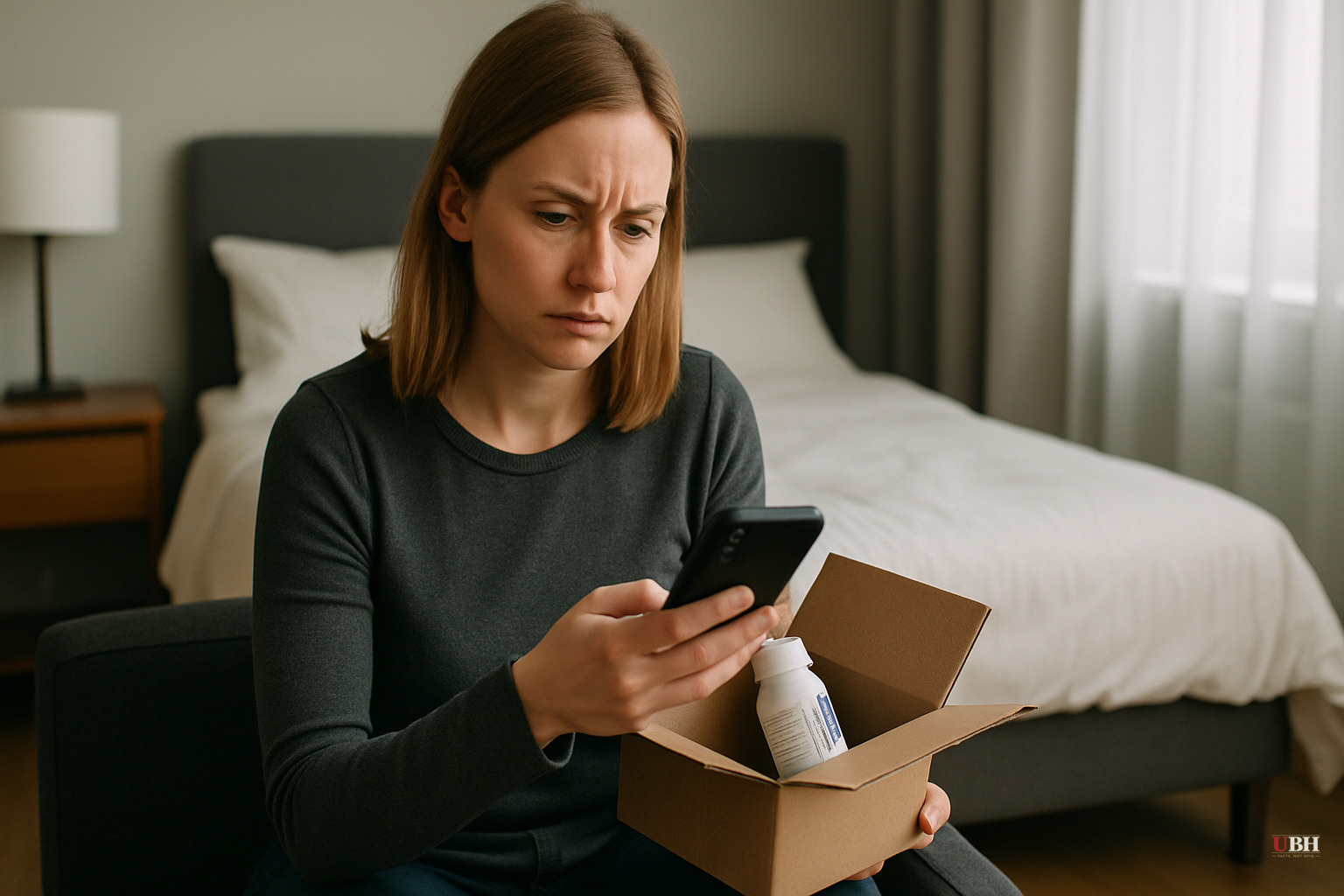
The Setup: A $135 Advertised Price That Became an $866 Charge
The pitch sounds reasonable. Pay a modest membership fee, answer some health questions, and get GLP-1 medications like tirzepatide (the active ingredient in Zepbound) for as little as $135 a month.
That's what FitRx — also operating under the name Zealthy, Inc. — advertises on its website, according to Wired's reporting published in 2026.
Wired journalist Lauren Goode signed up in March specifically to investigate the pricing structure of compounded GLP-1 services. She paid the membership fee. She answered basic questions about her weight, medical history, and activity level. She did NOT ask for a prescription to be filled.
Seven hours later, she had a $866 charge on her credit card and a three-month supply of tirzepatide vials already en route.
The physician's assistant who issued the prescription never spoke with her directly. No one checked whether her insurance might cover the medication. No one asked if she wanted it.
The Cancellation Wall
What followed was a week of calls to FitRx and Zealthy customer service.
Almost every call, according to Goode, was answered by the same representative who identified himself only as "Ace." The company's stated policy: no refunds once a shipping label has been created. Orders ship immediately, which means that window closes fast.
When customers push back further, they get escalated to managers who are perpetually "in meetings." The refusal gets dressed up in vague language about "privacy" and "supply chain" concerns.
They're invoking privacy as a reason they can't accept back drugs customers didn't order.
A Pattern Across Multiple Users
Goode's account makes clear she is not the only person this has happened to. The pattern — sign up to check prices, get charged hundreds or thousands without clear consent, receive shipment before you can cancel — has appeared across multiple users of these services.
One in eight American adults now takes GLP-1 medications, according to Wired. Eleven percent of those were prescribed and dispensed their medications through online telehealth services. The sector is projected to grow at 24 percent annually, with some forecasters predicting the online weight-loss-drug market could hit $150 billion within five years.
That kind of money attracts both legitimate operators and predatory ones.
The Strongest Defense of These Companies
Fair is fair. Here's the best-faith argument for FitRx and similar telehealth operators:
These platforms exist because traditional healthcare fails millions of Americans on weight management. GLP-1s are genuinely life-changing drugs. Getting a physician to prescribe them through a conventional practice can take months, cost thousands, or simply not happen at all because of provider bias against treating obesity. Telehealth fills a real gap.
Furthermore, the operators would likely argue that customers agree to terms of service before completing sign-up, that prescribing timelines are disclosed, and that the asynchronous physician-patient model (where a provider reviews your intake form and prescribes without a live call) is a legitimate and legal medical practice in many states.
Those are real points. And none of them justify charging $866 to someone who explicitly did NOT request a prescription be filled — or making it nearly impossible to reverse the charge once it hits.
What's Being Missed in Mainstream Coverage
Most mainstream coverage of the online GLP-1 boom focuses on two things: access and affordability. Both matter. But coverage has been slow to dig into the business model mechanics that make these charges possible.
Telehealth platforms profit most when prescriptions are filled, not when patients browse. Setting up auto-prescription-and-ship as the default — rather than requiring an affirmative step from the patient to trigger fulfillment — is a design choice.
The regulatory landscape is also evolving. The Trump administration has been active in reshaping healthcare policy, and how federal agencies ultimately approach the online pharmacy and telehealth space will have significant implications for consumer protections in this market. Whether clearer patient consent requirements will be imposed on private operators like FitRx is an open question — and an important one nobody is pressing hard enough.
What Regulators Are (and Aren't) Doing
As of June 11, 2026, no public investigation or enforcement action against FitRx or Zealthy, Inc. has been announced by the FTC, FDA, or any state attorney general — based on the sources available for this article. That silence may simply mean the complaints haven't yet aggregated into a formal case, or that regulators are still moving through a backlog.
The FTC has existing rules against negative-option marketing — the practice of charging customers for things they didn't affirmatively choose. Whether what FitRx is doing meets that legal threshold is something the FTC will decide.
What to Know Before You Buy
If you're shopping for compounded GLP-1s online, treat every membership signup like you're handing someone a signed blank check. Read the terms of service before entering payment information. Screenshot every page. And if you see a company that won't let you speak directly with the prescriber before a script is filled, that's your answer.
The online GLP-1 market is growing fast and regulated slowly. That gap is where the predators live.
Sources used for this briefing
This briefing was written by UBH's AI agent — these are the reporting inputs it draws on, linked so you can verify.


