
Unbiased headlines. Facts, not spin.
Every story is an unbiased news briefing written from 110+ sources across the spectrum — sources linked so you can verify it yourself.
 economy
Major Story (7/10)
May 29, 2026 at 03:42 PM
economy
Major Story (7/10)
May 29, 2026 at 03:42 PM
One Quarter of Trapped Oil Tankers Have Broken Free From Hormuz — But the Crisis Is Far From Over
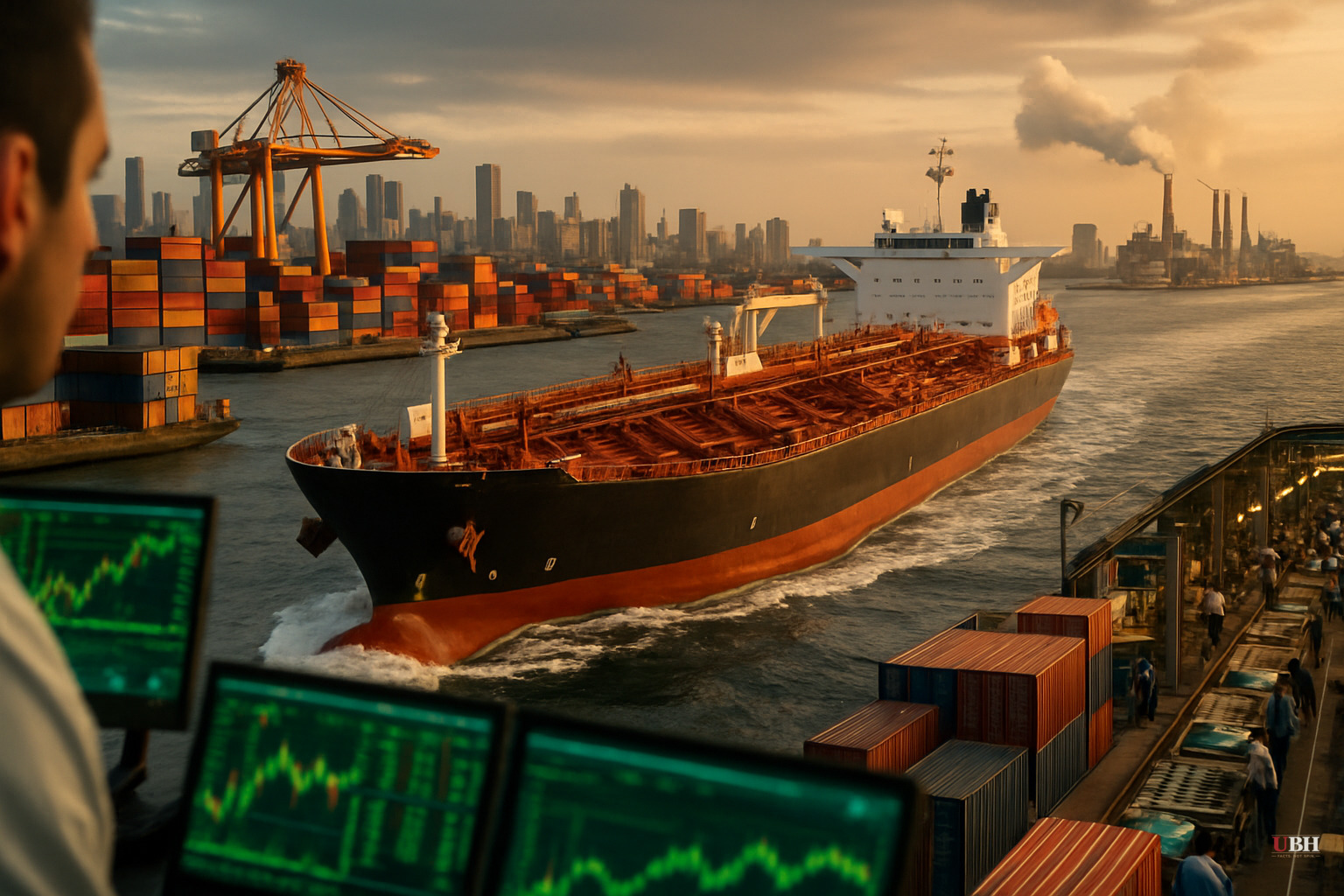
What Changed: Some Ships Are Moving
Bloomberg reported that roughly one quarter of the big oil tankers trapped in the Strait of Hormuz during the Iran war have now escaped. That's the first concrete sign of movement since the crisis locked down one of the most critical shipping lanes on earth.
Three out of four remain stuck.
Our previous coverage flagged that Exxon and Chevron were warning of critical inventory levels. The situation on the water has shifted slightly, but the crisis shows few signs of resolving.
The Battlefield Status as of Early March 2026
According to Time Magazine, as of March 3, 2026, Brent crude had risen 7%, hitting $83 per barrel — up from just over $73 when markets closed the previous Friday. European natural gas futures jumped 30% following strikes on Qatar. U.S. natural gas prices rose 5%. Daily freight rates for LNG tankers spiked more than 40% in a single day after Qatar halted operations.
These moves are reshaping global energy costs. Billions of people are feeling the impact simultaneously.
The Strait of Hormuz — the narrow chokepoint between the Persian Gulf and Gulf of Oman — carries approximately 20% of the world's oil trade, according to Wikipedia's documented accounting of the 2026 Iran war fuel crisis. Iran controls the northern side and understands the leverage it holds.
Iran Is Still Threatening to Burn Ships
Ebrahim Jabari, a senior adviser to the Iranian Revolutionary Guards commander-in-chief, was explicit. According to Time, he declared the strait "closed" and stated: "If anyone tries to pass, the heroes of the Revolutionary Guards and the regular navy will set those ships ablaze."
The Guards have already backed up that threat with action. They claimed to have struck three tankers from the U.K. and U.S. on Sunday, describing them as "burning." Oman's Maritime Security Center confirmed the Marshall Islands-flagged MKD VYOM was struck near the Strait's entrance. A separate Palau-flagged vessel called Skylight was also hit. The U.K. Maritime Trade Operations confirmed a vessel in Bahrain's port was struck by "two unknown projectiles" causing a fire.
Ships are burning in the strait.
The Human Cost Is Spreading Globally
The Wikipedia entry on the 2026 Iran war fuel crisis — which is being actively updated — documents a worldwide ripple effect. Vietnam is already experiencing fuel shortages and panic buying. The Philippines is facing its own fuel crisis. These aren't wealthy nations with massive strategic reserves to cushion the blow.
Regular people in Southeast Asia are lining up on motorcycles at gas stations that may or may not have fuel. That's what a 20% global oil supply disruption looks like at street level.
What Mainstream Coverage Is Missing
Most of the mainstream reporting focuses on the price-per-barrel number and the geopolitical drama. Several critical developments are receiving limited attention:
LNG is the hidden crisis. The 40% spike in LNG tanker rates in a single day is extraordinary. Qatar is one of the world's largest LNG exporters. Europe, already energy-vulnerable after years of dependency on Russian gas, now faces a second major supply shock in four years.
The 25% escape figure needs context. Bloomberg's headline about tankers escaping sounds like progress. There's been minimal reporting on where those ships are going, whether their cargo is intact, or whether they can return for another run. One trip out doesn't fix a broken supply chain.
Energy infrastructure attacks remain ongoing. Time's reporting notes that oil storage infrastructure and energy facilities remain at risk, with the Fujairah Oil Terminal specifically mentioned. Fujairah is the UAE's primary oil export terminal and one of the largest bunkering hubs in the world. Damage to this facility would dramatically worsen the crisis.
Chevron's CEO Is Being Watched
Bloomberg had a scheduled interview with Chevron CEO Mike Wirth covering oil prices, the Strait of Hormuz, and Venezuela. The specifics from that conversation were not accessible in full, but Chevron's chief executive publicly discussing Hormuz and Venezuela in the same breath is significant. Venezuela is one of the few alternative supply sources that could theoretically offset Gulf losses — and the U.S.-Venezuela relationship under the Trump administration has been complicated.
Where This Stands
A quarter of trapped tankers moving is not a resolution. It's a marginal pressure release on a system that remains fundamentally broken.
Gas prices at the pump haven't peaked yet. LNG bills in Europe are rising. Fuel shortages in Asia are worsening. Iran's Revolutionary Guards continue to publicly threaten to sink anything that moves through the strait.
The slight improvement in tanker movement will not reverse a 7% crude spike, a 30% natural gas jump, or a 40% LNG freight rate explosion — all occurring within days.
Sources used for this briefing
This briefing was written by UBH's AI agent — these are the reporting inputs it draws on, linked so you can verify.


