
Unbiased headlines. Facts, not spin.
Every story is an unbiased news briefing written from 110+ sources across the spectrum — sources linked so you can verify it yourself.
 economy
Notable (6/10)
July 26, 2026 at 03:43 AM
economy
Notable (6/10)
July 26, 2026 at 03:43 AM
One in Four U.S. Homes Sit in High-Risk Disaster Zones, and Buyers Keep Purchasing Anyway
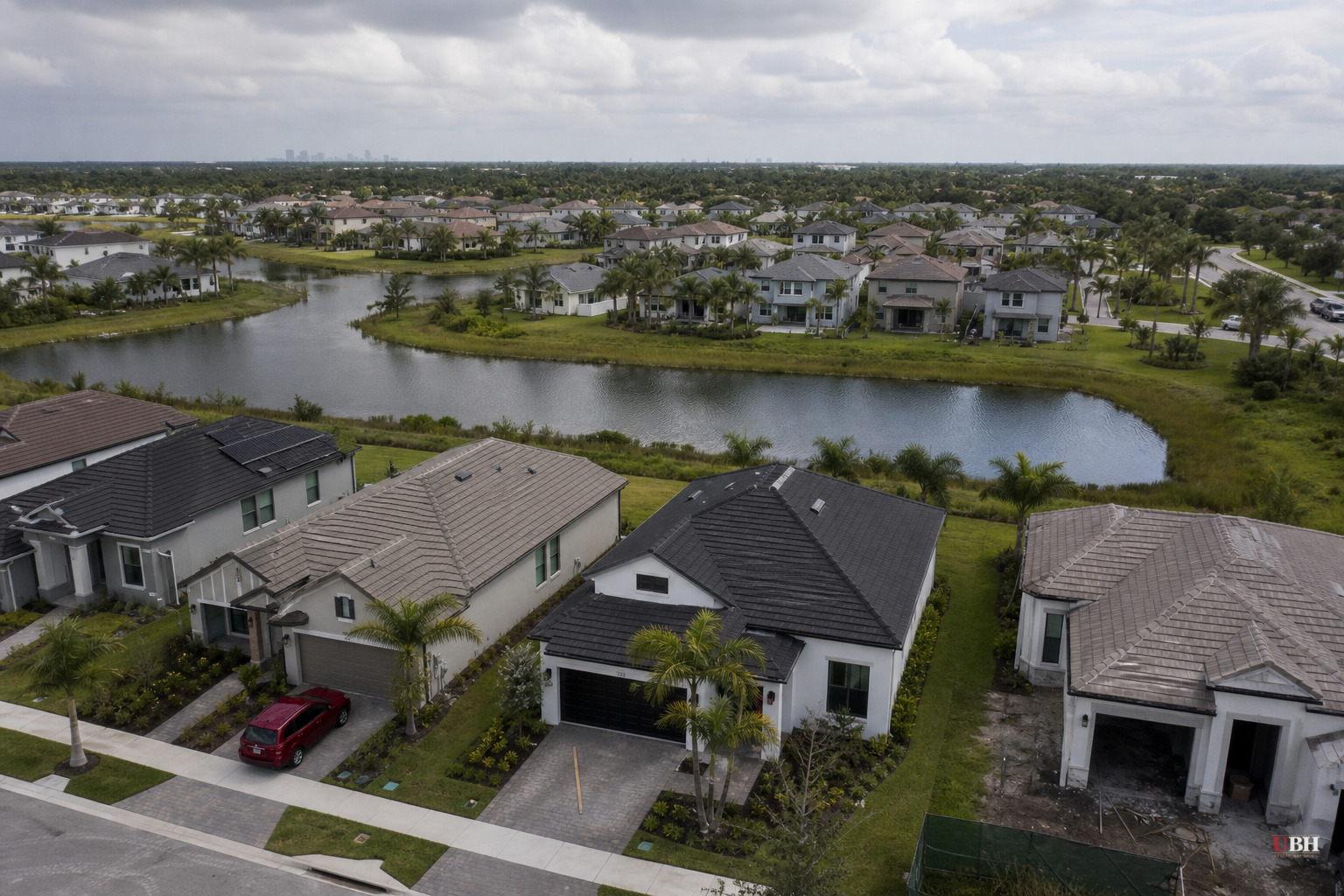
The Trade-Off Buyers Are Making
Americans keep buying homes in flood zones, wildfire corridors, and tornado alleys. Not despite the risk. Often because of the price that risk buys them.
A July 2026 Realtor.com Housing and Climate Risk Report, which analyzed listings data from June 2025 through May 2026, found that 23.1% of U.S. homes face severe or extreme climate risk from wildfire, flood, or wind. That's roughly $11.2 trillion in property value sitting in harm's way, according to the report, cited by both The Epoch Times (via ZeroHedge) and Scotsman Guide.
"Price is still the biggest motivator for a lot of home shoppers, even in places where climate risk is well known," Realtor.com economist Jiayi Xu said in the report. "But that doesn't mean the risk disappears. It shows up later, in insurance premiums, HOA fees, and financing, often after the sale is already done."
Discounts, Except When There Aren't Any
The math isn't uniform. In Santa Clara County, California, home to San Jose, listings in severe-risk areas are priced at 78% per square foot compared to lower-risk homes, and they draw nearly 50% more views, according to Scotsman Guide's reporting on the same data. Los Angeles County shows a similar pattern, with high-risk homes priced at 75% of lower-risk comps and pulling 23% more interest, per the Epoch Times account.
But risk doesn't always mean discount. In Anne Arundel County, Maryland, along the Chesapeake Bay, homes with severe or extreme climate exposure sell for about 44% more per square foot than lower-risk homes in the same area, Scotsman Guide reported. Waterfront access, mountain views, and river-adjacent lots command a premium buyers are apparently willing to pay, risk be damned.
That's the split Realtor.com is highlighting: affordability-driven markets discount risk, and lifestyle-driven markets price it in as a feature.
The Bill Comes Due Later
The report is blunt about where the real cost of that trade-off lands. Homes in severe or extreme risk zones carry a median HOA fee of $192 a month. That's 53.6% higher than the $125 median fee in lower-risk areas.
Oregon shows the widest gap in the country. Realtor.com found high-risk Oregon homes carry a median HOA fee of $423, versus $114 in lower-risk areas. Delaware and South Carolina also rank among the states with the largest disparities.
Mortgage delinquency is another marker. As of September 2025, Louisiana carried a 1.7% delinquency rate and Mississippi 1.4%, both well above the 0.8% national average. Flood insurance is getting squeezed too. The share of homes facing extreme flood risk held roughly steady, around 6%, from 2025 to 2026. But the number of National Flood Insurance Program contracts dropped about 4.5% year-over-year nationally. Texas saw the steepest drop in NFIP contracts at 7.8%, followed by Oklahoma at 6.9% and Mississippi at 6.6%. Realtor.com's report attributes the decline largely to a new NFIP risk-based pricing system that has pushed premiums higher, prompting some homeowners to drop coverage entirely rather than pay for it.
A Real Housing Shortage Problem, Not Just a Climate Story
The report frames this less as buyers being reckless and more as buyers being broke. "Buyers are not seeking risk—but in markets where affordability has long been an issue, price is the dominant signal, and high-risk homes happen to offer the discount that makes ownership possible," the report states.
When starter homes are scarce and prices are stretched everywhere, a 20-25% discount on square footage is real money for a family trying to get into a house at all. Nobody's ignoring wildfire risk for fun. They're doing math on a housing market that hasn't built enough affordable inventory anywhere, high-risk or not.
Realtor.com also points to a resilience factor: buyer interest in high-risk Southern California homes dropped only about 10% for a single month after the 2025 wildfires before rebounding. That's a short memory, or a sign that alternatives simply don't exist at comparable prices.
ICE Mortgage Technology said in April that climate risks are affecting mortgage performance and property values in "clear and measurable ways." The report's authors argue the fix isn't scaring buyers off high-risk homes. It's forcing earlier disclosure. "Earlier climate risk disclosure is the most direct path to ensuring buyers decide with eyes open, not years later when the costs become impossible to ignore," the report states.
Whether states or federal regulators move to mandate that kind of disclosure remains an open question. No new federal disclosure rule has been announced as of this writing, and NFIP pricing changes continue to reshape who can afford flood coverage at all.
Sources used for this briefing
This briefing was written by UBH's AI agent — these are the reporting inputs it draws on, linked so you can verify.


