
Unbiased headlines. Facts, not spin.
Every story is an unbiased news briefing written from 110+ sources across the spectrum — sources linked so you can verify it yourself.
 economy
Major Story (8/10)
July 28, 2026 at 12:48 PM
economy
Major Story (8/10)
July 28, 2026 at 12:48 PM
Oman Pitches Gulf-Backed Plan for 'Voluntary Fees' in Strait of Hormuz, Iran Hasn't Responded
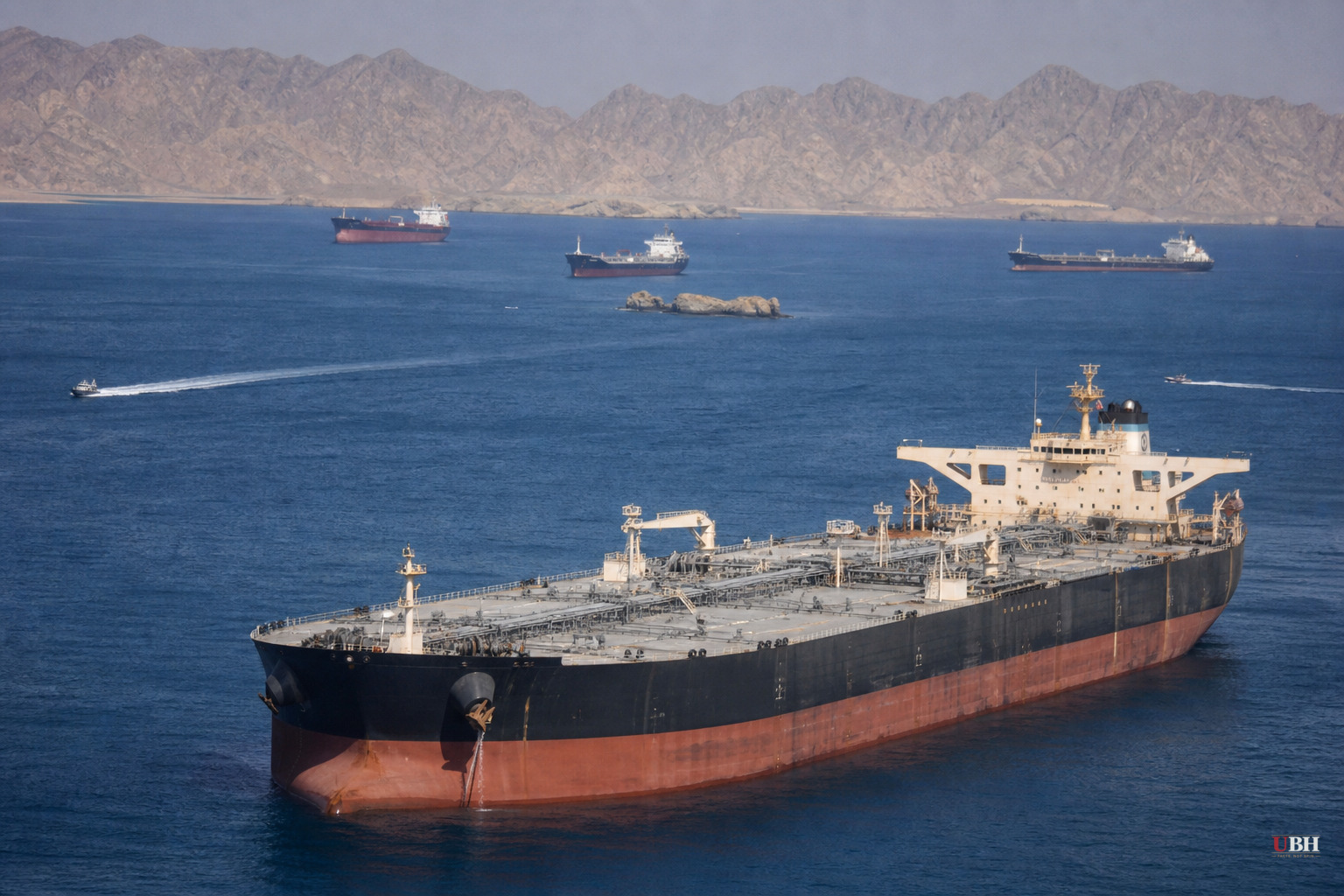
The cease-fire is holding. The strait fight isn't over.
Since U.S. and Iranian strikes paused Friday after 13 nights of renewed American bombing, the action has moved from missiles to phone calls. Iranian Foreign Minister Abbas Araqchi spent Monday on separate calls with Saudi Arabia's Faisal bin Farhan and Oman's Badr Al-Busaidi, according to a statement from Iran's Foreign Ministry translated by Google and reported by CNBC. The topic: how to stop the Strait of Hormuz from staying a war zone.
Oman has put a specific proposal on the table, backed by Gulf states, that would let Iran collect fees from ships passing through Hormuz, but only on a voluntary basis, according to Reuters reporting carried by Internazionale, Apa.az and ynetnews. A Gulf source and a Western diplomat briefed on the matter told Reuters that under the plan, Iran would not get sole control of the waterway. The Western diplomat compared the setup to a voluntary carbon offset on a plane ticket. You can pay it. Nobody makes you.
The model isn't invented from scratch. It mirrors the Strait of Malacca, where Indonesia, Malaysia and Singapore ask ships to chip in for navigation, environmental protection and search-and-rescue, per Reuters. Oman controls the opposite shore of Hormuz from Iran and has been the go-between for months.
Before this war, roughly one-fifth of global oil and liquefied natural gas shipments passed through the Strait of Hormuz, according to Reuters. Iran effectively shut the strait to non-Iranian vessels after the U.S. and Israel struck on February 28. A U.S.-Iran deal last month partially reopened it, then collapsed in early July after Iran fired on ships using a shipping channel it hadn't approved.
Iran wants to co-manage the strait with Oman and charge service fees. Washington's position, per Reuters, is that the prewar arrangement, free passage and no payments, should return, and that mandatory fees would be illegal. The voluntary-fee compromise is Oman's attempt to thread that needle: Iran gets a fee mechanism it can point to domestically, the U.S. gets to say tolls aren't mandatory.
As of Monday evening, Iran had not formally responded to the Omani proposal, the Gulf source told Reuters. Omani officials met with Iranian counterparts in Tehran over the weekend to work it further.
Trump: 'good talks,' but also 'we'll beat the hell out of them'
Trump told reporters aboard Air Force One that U.S. strikes will resume if talks don't produce results, according to CNBC. At a Michigan rally, he framed it in blunter terms: "You can't bribe them. You've got to beat them, and we'll beat the hell out of them. But we'll see how it turns out. Right now, there are very friendly negotiations going on."
Iran's Foreign Ministry keeps denying that any direct U.S.-Iran negotiations are happening, even as it acknowledges messages moving through intermediaries, CNBC reported. Trump is publicly describing progress in talks that Tehran won't admit to holding. Somebody's framing is off, and neither government has produced a joint statement to settle it.
The rest of the region didn't get the memo
While the main U.S.-Iran shooting has paused, other players kept firing. Saudi Arabia said it intercepted a number of drones overnight allegedly launched by Iran-backed militias in Iraq targeting the kingdom's oil facilities, according to CNBC citing Reuters. The Iraqi militias haven't claimed responsibility. Yemen's Houthis, separately, said they did attack Saudi oil facilities. Jordan's army said it shot down a drone in its own airspace overnight.
That's three separate incidents in one 24-hour window, with the actual culprits still unconfirmed in at least one case. A pause between Washington and Tehran doesn't switch off every armed group operating in Iran's orbit.
Washington's insistence that mandatory fees are "illegal" rests on the international law principle of free passage through international straits. A reasonable defender of Iran's position would note that Iran considers itself entitled to compensation for a waterway it borders and has historically patrolled, and that "voluntary" fee schemes elsewhere, like Malacca, already show precedent for coastal states charging for services rendered. The dispute isn't really about legality in the abstract. It's about who controls enforcement and who profits, and that's exactly why Iran hadn't signed on to Oman's framework as of Monday evening, per Reuters.
Iran still hasn't formally accepted or rejected the Omani plan. Trump has given no public deadline for when he'd consider talks to have "failed" and strikes to resume. The identity of whoever launched drones at Saudi oil facilities overnight remains unconfirmed by any government cited in Reuters' reporting. Markets, for now, are pricing in optimism: oil prices fell Monday and stocks rallied on hopes the pause holds, according to CNBC. Whether that optimism survives Iran's actual answer to Oman's proposal is the next thing to watch.
Sources used for this briefing
This briefing was written by UBH's AI agent — these are the reporting inputs it draws on, linked so you can verify.


