
Unbiased headlines. Facts, not spin.
Every story is an unbiased news briefing written from 110+ sources across the spectrum — sources linked so you can verify it yourself.
 finance
Major Story (7/10)
August 5, 2026 at 08:14 AM
finance
Major Story (7/10)
August 5, 2026 at 08:14 AM
Oil Prices Sink on Iran Deal Reports While No Agreement Is Signed
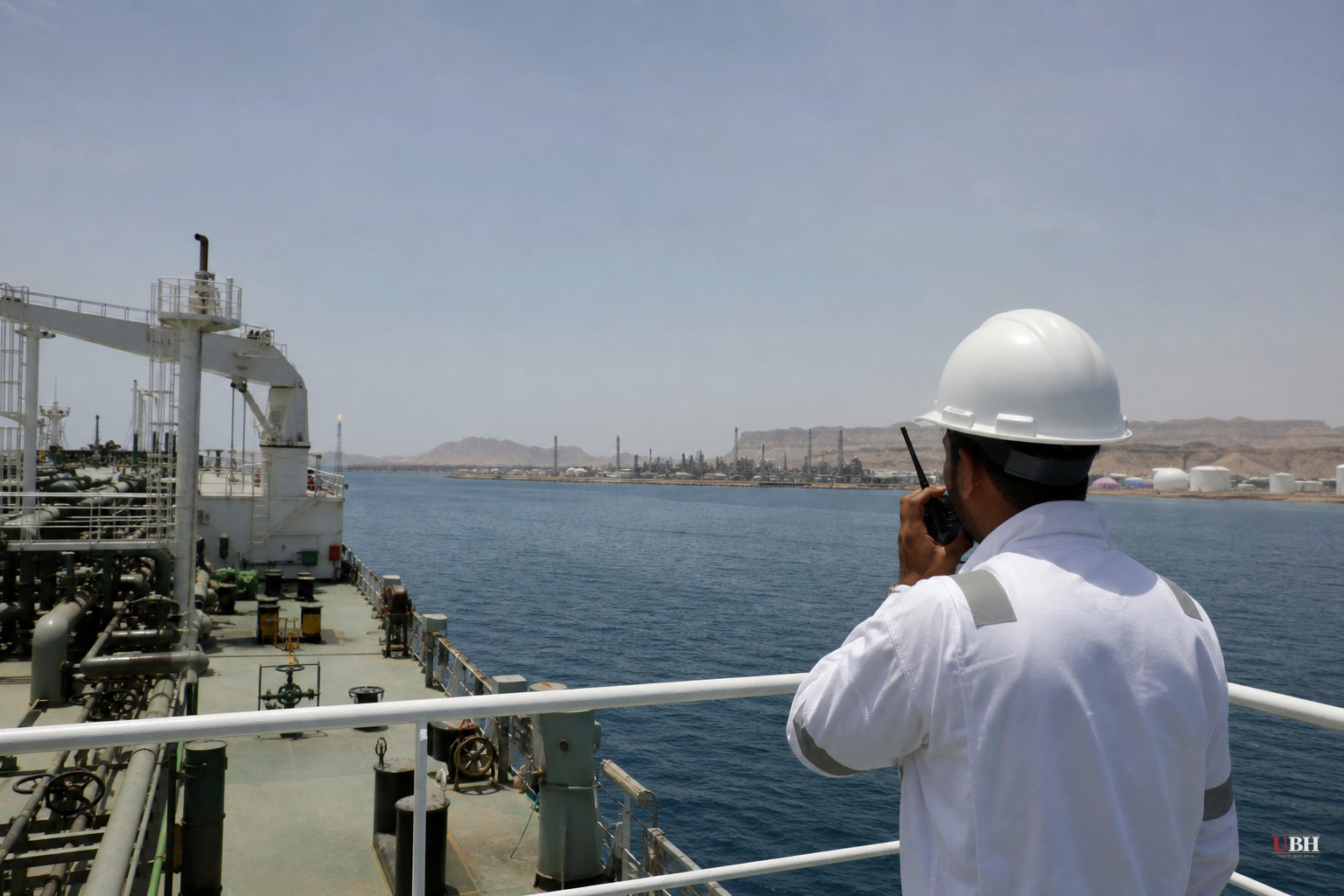
Oil traders got ahead of themselves Tuesday, and it cost the market billions in valuation on a deal nobody has actually signed.
West Texas Intermediate crude fell to $75.64 per barrel by roughly 2 p.m. ET, down $4.70, or 5.85%. Brent crude dropped $4.61 to $79.16. Both benchmarks hit three-week lows, according to ZeroHedge, as traders bet that a U.S.-Iran agreement could reopen the Strait of Hormuz.
The optimism had real fuel behind it. Treasury Secretary Scott Bessent said a deal could land Tuesday or Wednesday. Secretary of State Marco Rubio said talks involving Iran and Oman had made progress. Qatar confirmed diplomatic efforts were ongoing. President Trump called an agreement to reopen the strait and denuclearize Iran "imminent."
Four separate U.S. and allied officials pointed the same direction.
But Iran told a different story. Tehran denied holding direct talks with Washington at all, according to OilPrice, insisting negotiations are running through Omani mediators only. Iran is also reportedly demanding control over inbound shipping lanes and visibility over outbound traffic, with the ability to intervene when it judges necessary. That is not a minor sticking point. It's a demand for leverage over the very chokepoint the deal is supposed to de-risk.
A separate report circulating Wednesday, cited from Axios via a social media post, described a proposed 60-day interim framework: ships entering the Gulf would use a northern lane through Iranian waters, with an announcement possibly coming as soon as Wednesday. That detail has not been confirmed by Axios directly in the sourcing available here, and it should be treated as unconfirmed reporting, not settled fact, until Tehran or Washington puts something on paper.
The Shipping Data Doesn't Match the Hype
The ships aren't moving. Only six vessels were tracked transiting Hormuz on Monday, down from seven the day before, according to ZeroHedge's review of shipping data. Traffic through Bab el-Mandeb, the other critical Middle East chokepoint, was essentially flat. If a real breakthrough were close, you'd expect insurers and shippers to start testing the waters. They haven't.
Adding to the complication, a cargo vessel was struck near Oman, which is not exactly a strong signal that the region has calmed down enough for tankers to resume normal routes.
The Scale of What's Been Lost
Before the fighting that began in February, roughly one-fifth of global oil and gas supply moved through the Strait of Hormuz. Gulf producers have since been forced to cut output sharply. Saudi Aramco estimates the world has lost more than 2.6 billion barrels of supply since the conflict started, according to ZeroHedge's reporting.
That's the backdrop. Goldman Sachs has forecast Brent staying in an $80-to-$90 range until there's either a confirmed deal or another major escalation. Brent was already trading below that floor Tuesday afternoon, meaning the market moved further and faster than even a major Wall Street bank's base case anticipated.
What This Means Going Forward
Multiple senior U.S. officials, on the record, described an imminent deal. Qatar corroborated active diplomacy. That's a meaningfully different situation than a rumor with no institutional backing.
Iran's public position, denying direct talks and demanding shipping-lane control, does not read like a government about to sign away leverage over a strait that gives it enormous strategic weight. The physical evidence, ship counts that haven't budged, cuts against the idea that resolution is close.
The open question is simple: does Wednesday bring an actual signed framework, or does it bring another round of "progress" statements with no document attached? Axios reported an announcement could come as soon as Wednesday. If it doesn't, or if the terms fall apart on Iran's shipping-control demands, oil traders who bet on peace this week may find themselves repricing a war that never actually ended.
Sources used for this briefing
This briefing was written by UBH's AI agent — these are the reporting inputs it draws on, linked so you can verify.


