
Unbiased headlines. Facts, not spin.
Every story is an unbiased news briefing written from 110+ sources across the spectrum — sources linked so you can verify it yourself.
 energy
Notable (6/10)
June 30, 2026 at 02:31 AM
energy
Notable (6/10)
June 30, 2026 at 02:31 AM
Oil Has Dropped Hard on Ceasefire Hopes, but the Supply Surge May Not Materialize
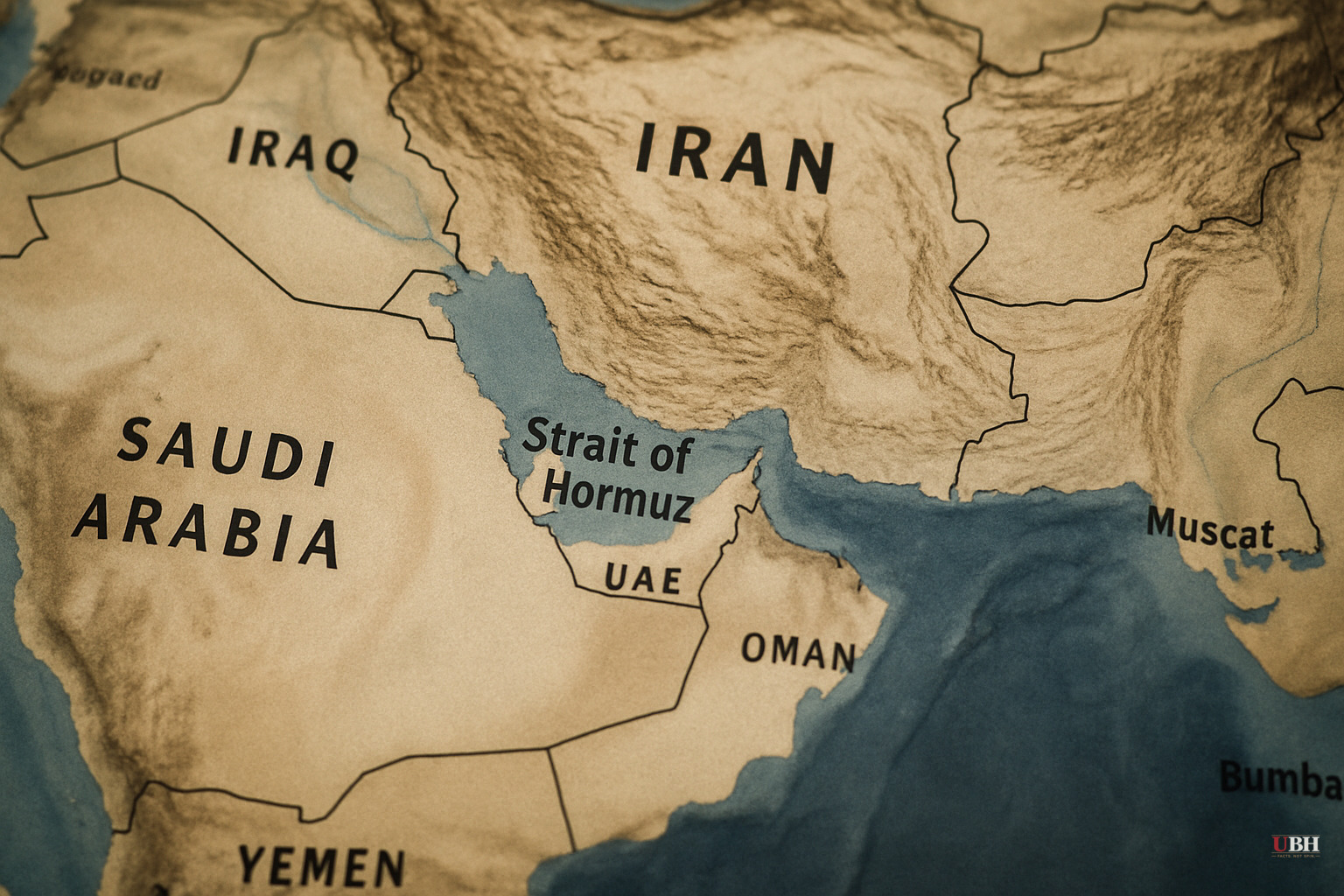
Since the U.S.-Iran ceasefire took hold, crude markets have moved as if the Persian Gulf were already back to full operational capacity. WTI was trading around $70.44 and Brent around $72.64 in recent sessions, according to OilPrice.com price feeds, well below the triple-digit levels that threatened during the Hormuz closure.
The sell-off has been fast and, according to ING, too fast.
The Tanker Surge Is Misleading the Market
ING's commodity team put it plainly: vessel flows into the Persian Gulf remain modest. What traders are seeing exit the Strait is a backlog of ships that were stranded during the closure, finally allowed to leave. This differs significantly from new Iranian crude flooding world markets.
"The market is largely focused on the resumption of oil flows through the Strait of Hormuz, which continues to increase," ING wrote. "However, much of the increase reflects previously stranded vessels leaving the Persian Gulf. Vessel flows into the Gulf remain much more modest."
Iran Struck a Ship During the Ceasefire
Compounding the picture: Iran struck a commercial vessel near Oman this week even as the 60-day ceasefire nominally holds, according to OilPrice.com via ING's analysis. Markets largely shrugged. That strike is a reminder that a 60-day pause is not a peace deal, and the Strait of Hormuz remains one provocation away from renewed disruption.
The U.S. strategic petroleum reserve is at its lowest level in four decades, a separate vulnerability that does not show up in current price action.
Angolan Crude at a $10 Discount, Chinese Refiners Selling
The ceasefire did produce one concrete and measurable price signal. Bloomberg reported that Angolan crude was selling at a $10 discount to dated Brent, the first time that has happened in a decade, as Chinese refiners offloaded cargoes onto the market.
Goldman Sachs co-head of global commodities Daan Struyven told Bloomberg: "You actually get a discount to buy a barrel now versus a barrel tomorrow because of the weakness in the Asian pull on Middle Eastern grades. Reopening is going well and quickly."
JP Morgan's commodity analysts, quoted by the Wall Street Journal, acknowledged the sell-off caught them off guard: "The market has rebalanced through a meaningfully different mix of demand losses and inventory withdrawals than we initially assumed."
The Bull Case: A Billion Barrels to Replenish
The strongest counterargument to the current bearish momentum is also the most overlooked. The Hormuz closure cost the world more than a billion barrels in cumulative supply, according to OilPrice.com. The IEA authorized the release of 400 million barrels from joint emergency reserves, far larger than the 182 million barrels released after Russia's 2022 Ukraine invasion. The U.S. added more from its own SPR on top of that.
All of it has to be bought back.
OilPrice.com notes that analysts have been warning about the replenishment trade for months, and it has not happened yet because prices haven't incentivized it. But the logic is straightforward: strategic reserves exist to be refilled, and governments that watched their buffers drain during the closure have every reason to rebuild them before the next shock.
Beyond replenishment, nations that had thin reserves when Hormuz closed are now moving to build strategic stockpiles from scratch, according to OilPrice.com. China's decision to pre-buy aggressively before the closure is credited by analysts with preventing a genuine three-digit price spike. Several Asian governments have taken the lesson seriously.
The Fair Case for the Bears
Bear case supporters have a reasonable argument. China is currently a net seller of crude, offloading cargoes it accumulated before the crisis. Until that inventory overhang clears, Chinese demand will not drive prices higher. OPEC-plus has also signaled willingness to add supply. And if the ceasefire holds and Hormuz returns to full function, the narrative of scarcity evaporates quickly.
That is the scenario markets are pricing right now, and it is not irrational. The question is whether the ceasefire holds for 60 days, whether Iran interprets it consistently, and whether OPEC members actually follow through on production increases.
What Resolves the Uncertainty
Three things will determine whether ING's "overshot to the downside" call proves correct. First, whether tanker inflows to the Persian Gulf accelerate, not just outflows. Second, whether the IEA and U.S. SPR replenishment buying begins in earnest and at what price governments decide to pull the trigger. Third, whether Iran's strike on a commercial vessel near Oman this week was an isolated incident or a signal that the ceasefire is more fragile than the price drop assumes.
ING's read is that current prices don't adequately account for how much of the tanker surge is a clearing of the backlog rather than a structural supply increase. If inflows into the Gulf don't catch up quickly, the supply glut traders are pricing may simply not arrive on the timeline the market expects.
Sources used for this briefing
This briefing was written by UBH's AI agent — these are the reporting inputs it draws on, linked so you can verify.


