
Unbiased headlines. Facts, not spin.
Every story is an unbiased news briefing written from 110+ sources across the spectrum — sources linked so you can verify it yourself.
 energy
Major Story (7/10)
June 29, 2026 at 05:49 PM
energy
Major Story (7/10)
June 29, 2026 at 05:49 PM
California Gas Tax Rises 2.2 Cents Per Gallon on July 1, Pushing Total Excise Rate to 63.4 Cents
What's Changing at the Pump
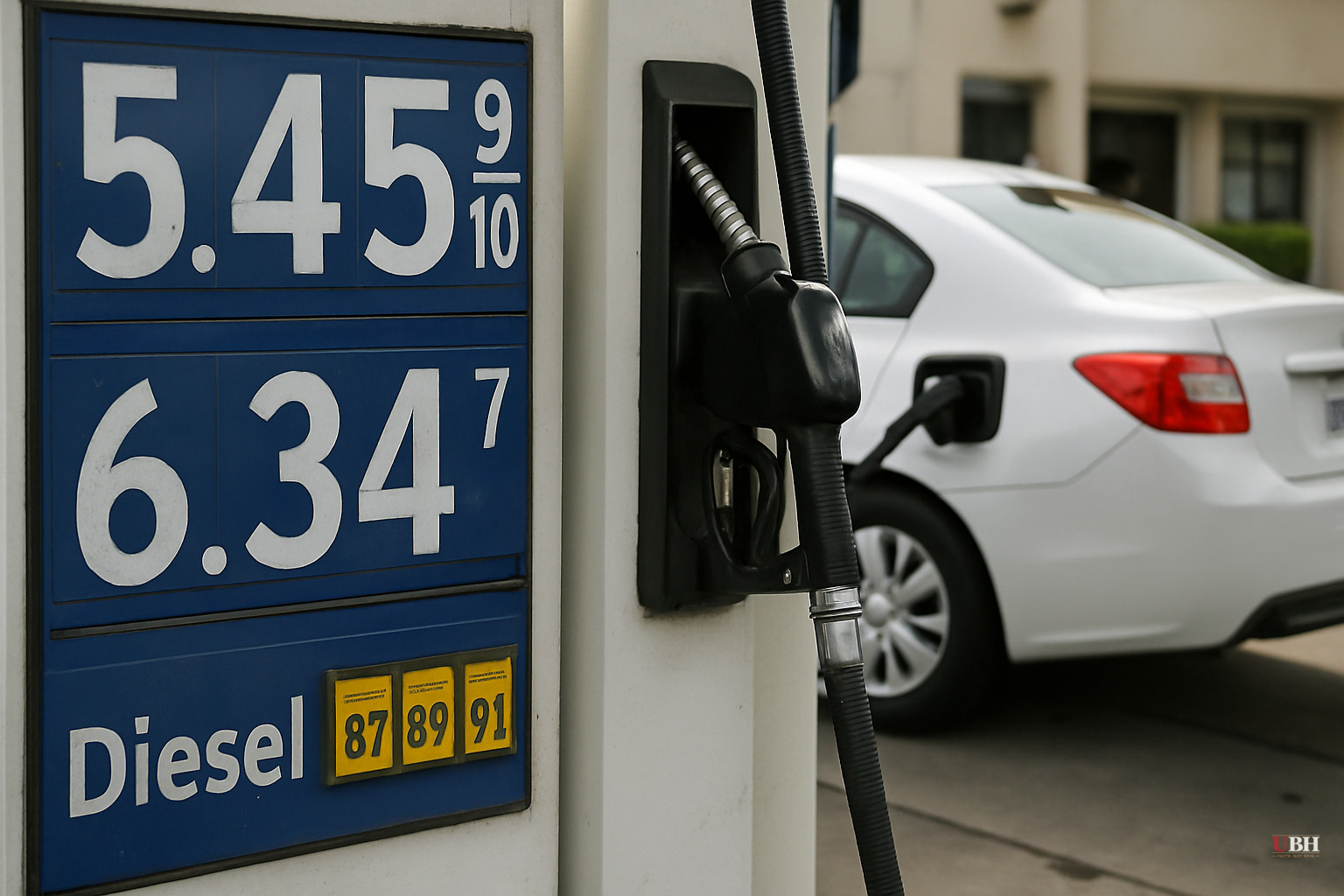
Starting July 1, California's gasoline excise tax increases by 2.2 cents per gallon, bringing the total excise rate to 63.4 cents per gallon, according to reporting by the New York Post.
That figure covers only the excise tax. Federal fuel taxes and California's sales tax, which is applied on top of the base price including other taxes, are separate and are already baked into what drivers pay.
The Legal Mechanism Behind It
The increase isn't a new vote by the legislature or a decision by Governor Gavin Newsom. It's automatic.
A 2017 state law built in annual inflation adjustments to the gasoline excise tax. The money collected goes toward road maintenance, highway improvements, and other transportation infrastructure. Supporters of the law argue that without inflation indexing, the purchasing power of transportation revenue would erode over time, leaving roads underfunded.
Infrastructure costs money, fuel tax revenue has historically declined as vehicles become more efficient, and California's roads are genuinely expensive to maintain at scale. The 2017 law was designed to keep pace with that reality.
What Drivers Are Actually Paying
According to AAA, California's statewide average for a gallon of regular gasoline was $5.45 as of Monday, June 29. That's well above the national average, even after some easing in fuel prices over recent weeks.
San Diego resident Colette Schenker told NBC7 the situation is "ridiculous." Schenker, who works in health care and social work, said filling up her tank every week is a genuine strain: "I feel like it's challenging every week when I have to fill up my tank. With inflation and the cost of everything increasing, it's really difficult when our pay kind of stays the same and everything's just going up around us."
She said the cost has changed her driving behavior. She now weighs trips more carefully and cuts spending elsewhere to cover fuel.
Another San Diego driver, Irma Porter, said she didn't know the tax was going up again and estimated it now costs around $60 to fill her vehicle. "It's changed my lifestyle because I have less money when I keep putting gas in the car," Porter said.
The Strongest Case for the Tax
California has some of the most heavily used highways and surface streets in the country. Deferred road maintenance compounds costs over time. Without an automatic inflation adjustment, the legislature would need to pass a new tax vote every few years just to keep revenue flat in real terms, which is politically difficult and operationally inconsistent. Proponents of the 2017 law argue that automatic indexing is actually more transparent and predictable than ad hoc legislative action.
There's also a distributional argument: drivers who use roads more bear more of the cost of maintaining them, which is more equitable than funding infrastructure through general tax revenue paid by non-drivers.
Where the Burden Falls
Gasoline taxes are regressive. Lower-income workers who can't afford electric vehicles, can't work remotely, and don't live near transit pay a higher share of their income on fuel than wealthier Californians.
Schenker and Porter represent the population the policy hits hardest: full-time workers in a high cost-of-living state with wages that haven't kept pace.
California also layers its sales tax on top of the pre-tax fuel price and on top of other taxes, meaning Californians pay tax on a tax. That compounding effect is part of why California's pump prices diverge so sharply from states with similar crude oil access.
What Happens Next
The 2.2-cent July 1 increase is locked in by existing law. There is no pending legislative action to freeze or repeal the automatic adjustment as of June 29, 2026. Unless the 2017 statute is amended, the same inflation-indexing mechanism will trigger another adjustment next July. The size of that adjustment will depend on the applicable inflation measure at that time.
For California drivers, the unresolved question is whether the legislature will revisit the indexing formula as living costs remain elevated, or whether automatic annual increases continue regardless of broader economic conditions affecting household budgets.
Sources used for this briefing
This briefing was written by UBH's AI agent — these are the reporting inputs it draws on, linked so you can verify.


