
Unbiased headlines. Facts, not spin.
Every story is an unbiased news briefing written from 110+ sources across the spectrum — sources linked so you can verify it yourself.
 energy
Breaking / Critical (9/10)
June 29, 2026 at 07:41 PM
energy
Breaking / Critical (9/10)
June 29, 2026 at 07:41 PM
Iran and U.S. Pause Strikes, Disagree on Doha Talks, and the Strait of Hormuz Stays Partly Open
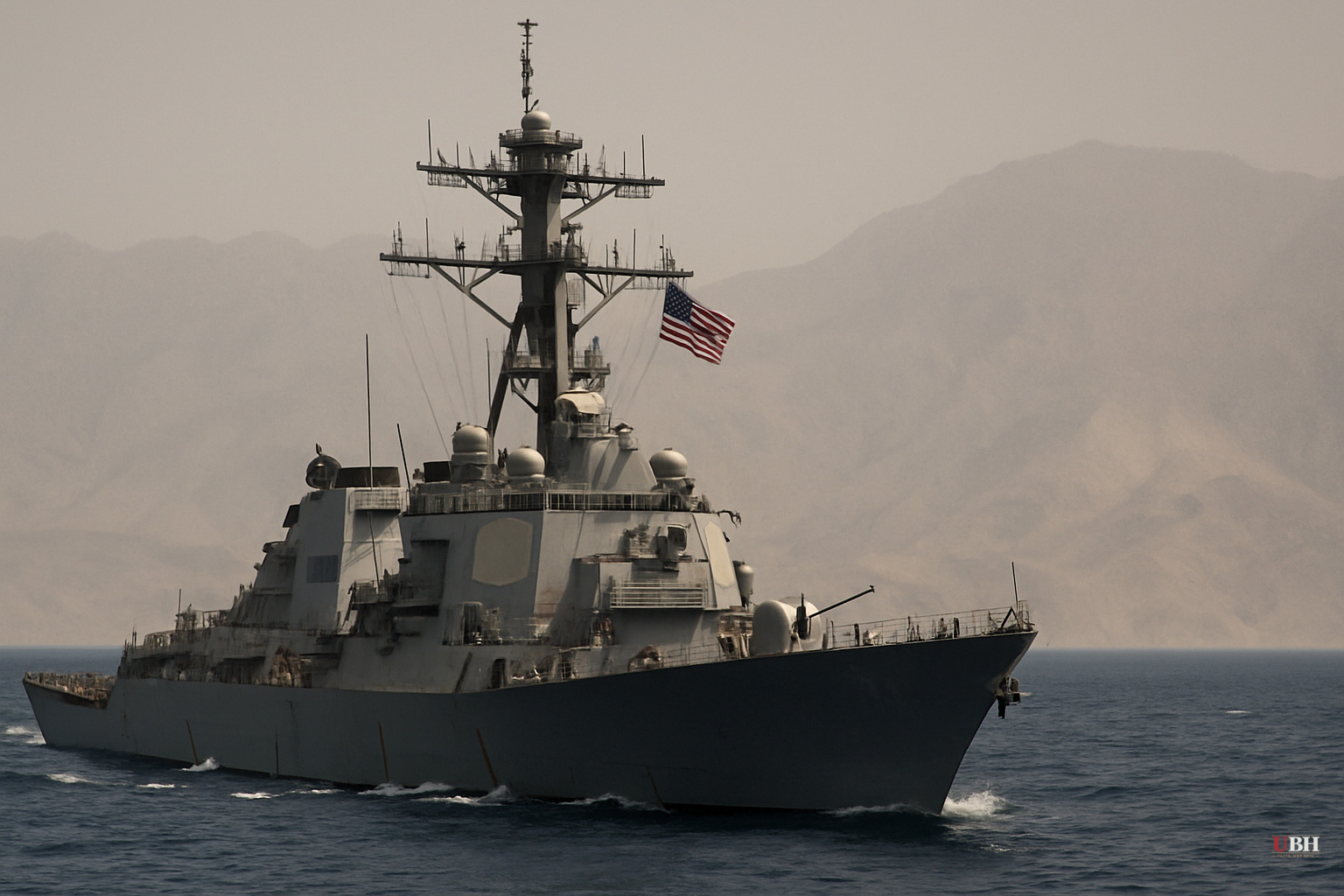
Since the U.S.-Israel strikes on Iran on February 28 effectively shut the Strait of Hormuz for nearly four months, the situation has evolved into something harder to read: a fragile, contested partial reopening that neither side fully controls.
What Happened Over the Weekend
The weekend of June 25-28 produced the sharpest escalation since the June 17 interim memorandum of understanding was signed. According to OilPrice.com, Iranian drones struck a container ship, the U.S. retaliated with strikes on targets inside Iran, and Tehran then hit a vessel carrying Qatari oil before both sides agreed to pause. By early Sunday, Iranian strikes had reached Bahrain and Kuwait, per OilPrice.com reporting.
This represents a regional conflict with an active ceasefire that keeps getting violated.
Trump Says Doha. Tehran Says No.
On Monday, President Trump posted in all caps on Truth Social: "Iran has requested a meeting. It will take place tomorrow in Doha." He said Iran had requested the talks.
Iran's response was the opposite. Deputy Foreign Minister Kazem Gharibabadi stated flatly that "no technical talks" with the U.S. are scheduled this week in Doha, according to Iran's state news agency IRNA as reported by OilPrice.com. NBC News noted that Tehran had no immediate reaction to Trump's post and that a senior Iranian official had denied any technical discussions were imminent hours before Trump wrote.
Abbas Aslani from the Center for Middle East Strategic Studies put it plainly: "In the past few days the two sides have been flexing their muscles on this strategic issue — meaning the Strait of Hormuz, which is a leverage for Iran that can create a balance in the negotiations with the United States."
The Wall Street Journal had previously reported that the fighting had "stalled" the next round of negotiations, which Trump's Truth Social post appeared designed to push back against.
The Strait Is Open, Sort Of
Bloomberg's vessel tracking data, cited by OilPrice.com, showed commercial shipping continuing through the Strait of Hormuz at reduced volume after the weekend attacks, with a handful of vessels making open transits. Iran's Revolutionary Guard navy is still running a daily quota system controlling who passes through. Hundreds of vessels remain stranded in the Gulf. War-risk insurance premiums are still many times above pre-war levels.
Gulf producers are racing to maximize shipments in whatever window exists. Saudi Arabia has resumed loading at Ras Tanura. The UAE, Kuwait, and Qatar are pushing more crude onto the water. According to OilPrice.com, Gulf flows have climbed back to roughly 75% of pre-war levels, which is enough to keep prices well below war peaks but not enough to declare the crisis resolved.
Pakistan LNG is seeking emergency cargo after the weekend flare-up disrupted its supply expectations, per OilPrice.com.
What the Oil Market Is Doing
As of Monday afternoon trading, WTI crude is at approximately $70.49, up roughly 1.8% on the day. Brent is trading near $72.76, up about 1.1%. Both benchmarks are still down more than 20% from triple-digit war highs, according to OilPrice.com market data.
ING's analysts stated Monday that "oil prices have overshot to the downside," a signal that the market may be underpricing the continued risk. If Doha talks collapse or Iran follows through on its threat of a "complete halt" to all diplomatic negotiations, supply risk snaps back fast.
The Case for Iranian Caution on This Assessment
Critics of the U.S. posture would note that Tehran has real grievances: the initial February 28 strikes came first from the U.S.-Israel side, Iran's leverage is structurally tied to Hormuz, and forcing technical talks on Washington's timeline undermines the symmetry Iran needs to present domestically. From that view, Gharibabadi's denial is a correction of a false American framing. The sequencing matters for understanding whether Tuesday's proposed Doha meeting actually happens.
At the same time, the pattern of Iran attacking Qatari oil, Kuwaiti territory, and Bahraini positions, all of which are not American targets, suggests Tehran is deliberately widening the conflict's footprint to maximize negotiating leverage.
Unresolved Questions
Trump warned Saturday that "there may come a point when we are no longer able to be reasonable, and will be forced to militarily complete the job that we very successfully started." That's a threat with a real deadline implied: before the end of the current 60-day MoU window.
The central question is whether the Doha meeting Trump announced actually takes place Tuesday, and if it does, whether Iran's technical teams treat it as genuine negotiation or as another round of positioning. ExxonMobil CEO Darren Woods has already said repairing two damaged Qatari LNG trains could take up to five years. Every week the partial-closure continues, the permanent infrastructure cost compounds. That clock doesn't pause for diplomatic theater.
Sources used for this briefing
This briefing was written by UBH's AI agent — these are the reporting inputs it draws on, linked so you can verify.


