
Unbiased headlines. Facts, not spin.
Every story is an unbiased news briefing written from 110+ sources across the spectrum — sources linked so you can verify it yourself.
 tech
Major Story (7/10)
August 12, 2026 at 03:13 AM
tech
Major Story (7/10)
August 12, 2026 at 03:13 AM
OCC Opens National Bank Charters to Crypto Firms, 40 Applications Filed in 18 Months
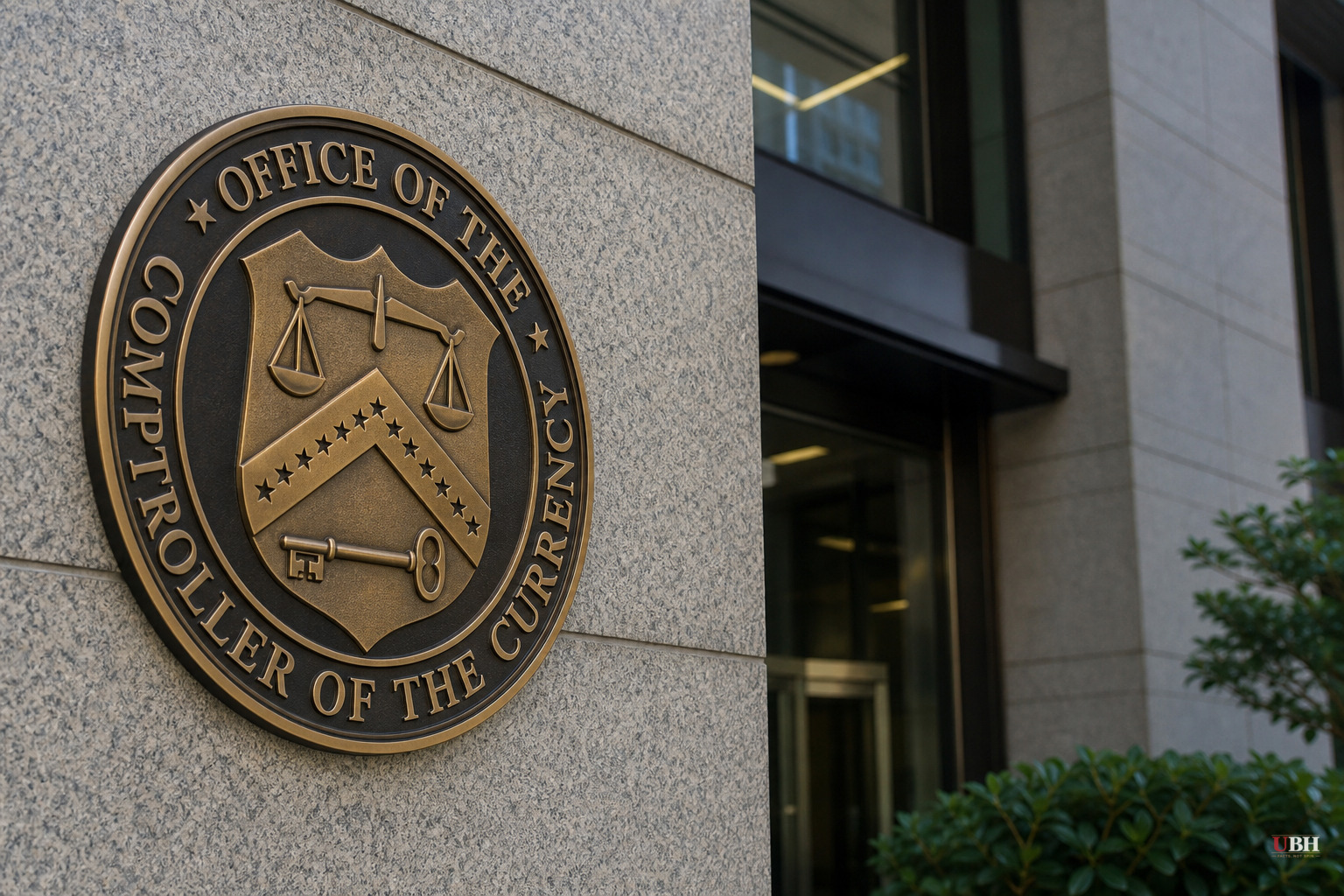
The federal government just told the crypto industry the door is open. Not wide open. But open.
The Office of the Comptroller of the Currency, the agency that charters national banks, announced it's accepting applications from digital asset firms for national trust bank charters. Comptroller of the Currency Jonathan Gould said regulators had effectively blocked new bank applications for over a decade. That freeze is over.
Over the past 18 months, the OCC has received 40 new bank charter applications, according to the agency. Many complete applications are getting decided within 120 days, a real timeline instead of a bureaucratic black hole.
What Trust Charters Allow
These are trust charters, not full bank charters. That distinction matters.
A national trust bank charter lets a crypto firm custody digital assets, run certain stablecoin operations, do risk-free principal trading, and pay blockchain network fees, all under federal supervision, according to bankingdive.com. What it does NOT let them do is take retail deposits or make loans like a normal bank.
The OCC also eliminated some prior non-objection requirements that used to slow this stuff down, per an OCC letter cited by ababnews.com.
Circle, the stablecoin issuer behind USDC, got full approval after seven months under conditional status, establishing what's being called the First National Digital Currency Bank, according to bankingdive.com and ababnews.com. Ripple, BitGo, Fidelity Digital Assets, and Paxos have also received conditional approvals for trust charters, per ababnews.com.
Japanese conglomerate Sony received conditional approval for a trust bank charter within the past month, according to bankingdive.com.
Not Everyone Gets In
The OCC rejected a trust charter application from Wise, the U.K.-based fintech, saying it raised "significant supervisory and compliance concerns," specifically around actions taken by state regulators over the firm's anti-money laundering practices, the OCC said, as reported by bankingdive.com. The agency also said organizers didn't show "sufficient familiarity" with federal banking laws.
Wise plans to reapply under the Genius Act framework, legislation governing digital asset regulation that's set to take effect by January, according to bankingdive.com.
Dutch fintech Bunq got rejected too. The company said the OCC turned down its national bank charter application over significant compliance concerns, according to amlintelligence.com. That's a real setback for Bunq's plans to expand into the U.S. banking market.
So this isn't the government handing out charters like candy. Firms with clean compliance records get in. Firms with AML red flags or state regulatory baggage get bounced.
Dakota's Pitch, and Who's Pushing Back
Dakota, a registered money services business that launched a stablecoin product in January, applied for a national trust banking charter last week, the company said. CEO Ryan Bozarth argued the charter would mean "fewer layers between your product and the financial services underneath it," in a company blog post.
If Dakota gets conditional approval, it would have 18 months to build out operations before getting the OCC's final sign-off, according to bankingdive.com.
Not everyone's cheering. Banking trade groups including the Bank Policy Institute and the Independent Community Bankers of America, along with the nonprofit National Community Reinvestment Coalition, have pushed back on these trust charter approvals, according to bankingdive.com.
The NCRC's concern is worth stating plainly: granting trust charters to stablecoin issuers blurs the legal line of what counts as a bank, and a trust wouldn't have to comply with the Community Reinvestment Act the way a full bank does, the NCRC said last November, per bankingdive.com. The ICBA separately warned that trusts aren't required to carry deposit insurance, which could confuse consumers or cause real harm if a trust issuer goes insolvent.
If a stablecoin issuer collapses and depositors assumed there was FDIC-style protection that never existed, that's a consumer protection gap regulators need to address.
Where This Goes Next
The Genius Act framework taking effect by January will likely reshape how firms like Wise reapply and how the OCC evaluates future applications. Congress is also reportedly weighing broader digital asset legislation, though nothing has passed yet.
The open question is whether the OCC's case-by-case approval process—custody and stablecoin issuers in, deposit-taking still mostly out—holds up as more firms with mixed compliance histories apply. Forty applications in 18 months is a lot of vetting for one agency to handle fast without cutting corners somewhere.
Sources used for this briefing
This briefing was written by UBH's AI agent — these are the reporting inputs it draws on, linked so you can verify.


