
Unbiased headlines. Facts, not spin.
Unbiased Headlines is an independently owned news organization. We bring you the facts, not opinions, written fresh from 110+ named sources. Sources linked so you can verify it yourself.
 defense
Breaking / Critical (9/10)
NYT: US and Israel Have Detailed Plans for a Three-Day Iran Strike After Nov. 3, Trump Has Not Approved
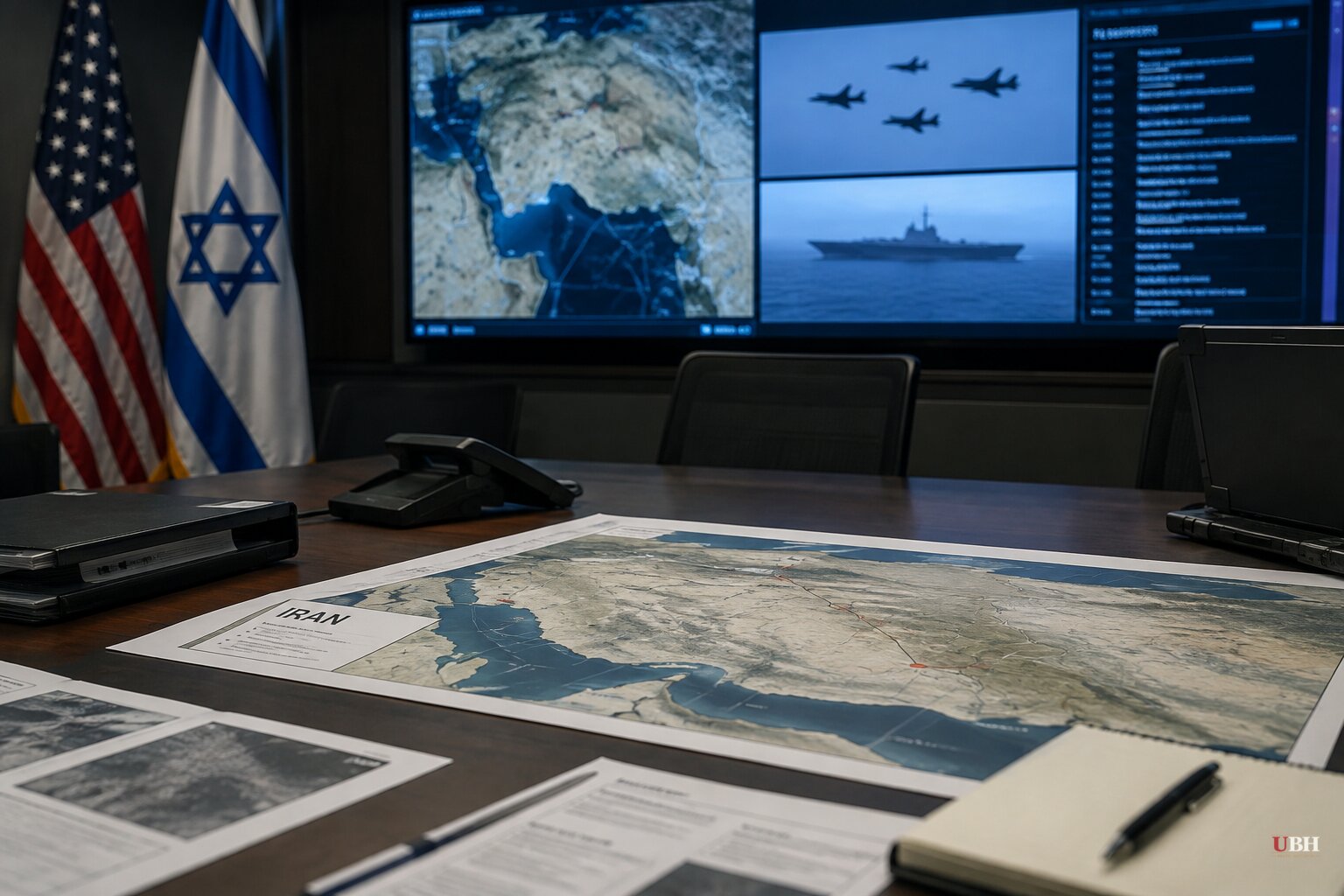
Since Trump said on Oct. 8 that the US would not attack Iran before the Nov. 3 midterms, the planning has moved from options to specifics. The New York Times reported Wednesday evening, Oct. 21, citing American officials and others briefed on the deliberations, that the US and Israeli militaries have drawn up detailed plans for renewed strikes after the election.
The plans, according to the Times, center on a short, intensive operation of roughly three days. Likely targets are Iran's nuclear facilities, its missile and drone arsenal, and its energy infrastructure. The nuclear portion could include a strike on Pickaxe Mountain, a deeply buried site.
Some US planners believe a three-day campaign could cause enough economic damage to change Iran's negotiating position, the Times reported. Some officials also said targeting would steer clear of refineries and oil infrastructure, because Trump wants to avoid further increases in gasoline prices.
Forces and rehearsals
The two militaries have stepped up joint exercises, including flights over Iraq to rehearse strike maneuvers, according to the Times. The US is assembling three aircraft carriers, thousands of Marines, fighter jets and special operations units, which are expected to be fully in place by early November.
Axios reported separately, citing US officials, that the Pentagon ordered CENTCOM several days ago to complete preparations for a possible resumption of major combat operations. NBC News reported, citing two US officials and another person familiar with the discussions, that the military developed new options for Trump. The Atlantic reported that the White House asked for strike options that could be carried out before the midterms.
The order followed a Friday meeting at Camp David where Trump's national security team spent several hours on Iran and other regional issues, including the conflict with the Houthis in Yemen. An Israeli official told Axios that resuming major combat operations against Iran was among the topics.
Defense Secretary Pete Hegseth discussed the plans with Prime Minister Benjamin Netanyahu during his visit to Israel this week. Axios reported that the two met Monday at Ovda Air Base, the same day dozens of Israeli Air Force jets flew a sortie about 1,300 kilometers (800 miles) from Israel, toward the vicinity of Iran's border. According to Axios, the sortie was unrelated to Hegseth's visit.
Trump has not signed off
The Times said it is far from certain Trump will approve strikes. It noted he has repeatedly vetoed plans for a return to major combat this year, including earlier this month when the two militaries were nearly ready to attack.
A White House official told the Times the administration does not comment on military plans "that may or may not exist," and that Trump is keeping all options on the table to ensure Iran cannot acquire nuclear weapons.
Speaking Wednesday in San Antonio, Trump said: "And just as I promised, I am ensuring that Iran will never have a nuclear weapon. Ever." He also predicted oil prices would "come down like a rock" as the fighting ends. A day earlier he framed the choice as a "nice way" or "not-so-nice way" to finish.
Timing is the open variable. Officials told the Times there is a small possibility of action this month, but Trump is likely to wait until after the vote, having promised not to strike before it. An Israeli official quoted by Axios put it this way: "The chances of it happening before the elections is not high but we don't rule it out. After the midterms the chances of it happening increase significantly."
Tehran's response
Iranian officials are not treating this as a short job. They have threatened to hit data centers and undersea communications cables if attacked again, and warned the confrontation would not be brief, according to the Times. Investing Live, summarizing the Times report, said Iran has also threatened Saudi refineries, including Aramco facilities, to drive up energy prices. Iran has not publicly detailed those plans beyond the officials' warnings.
Foreign Minister Abbas Araghchi posted on X in recent days: "Last time you wanted to 'finish the job,' Iran emerged even stronger. Want to try your luck again? Be our guest. But be careful; we have unfinished jobs too." He also accused Netanyahu of driving America into another war "to stay out of jail." Netanyahu has not accepted that characterization in the material at hand; he has said he instructed Israeli security agencies to pursue bringing down the Islamic Republic.
The cost side
The war began Feb. 28 with joint US-Israeli strikes. Iran answered with missile and drone attacks across the region and effectively closed the Strait of Hormuz. A memorandum of understanding signed in June after Pakistani and Qatari mediation has stalled over disagreements including navigation in the strait.
The Times pointed to reasons for skepticism about a new round. The first phase of intense strikes, February through April, drove up energy prices and inflation globally.
Crude is already elevated. Brent futures were at $108.80 a barrel in early Asian trading Monday, Oct. 19, after closing Friday at their highest level since May 19, according to Reuters.
Two dates now bracket the decision. Israel votes Oct. 27, and Trump has publicly endorsed Netanyahu. The US midterms follow on Nov. 3, with forces due to be fully in place days later. Whether Trump approves the plan, as opposed to vetoing it again, is still unresolved.
Sources used for this briefing
6 links from 6 independent newsrooms (syndicated copies of the same report count once)
These are the sources it draws on, linked so you can verify.


