
Unbiased headlines. Facts, not spin.
Unbiased Headlines is an independently owned news organization. We bring you the facts, not opinions, written fresh from 110+ named sources. Sources linked so you can verify it yourself.
 defense
Major Story (8/10)
Attack on Saudi Arabia's Dammam Airport Kills One, Injures Eight as US Orders Non-Emergency Staff Out of the Kingdom
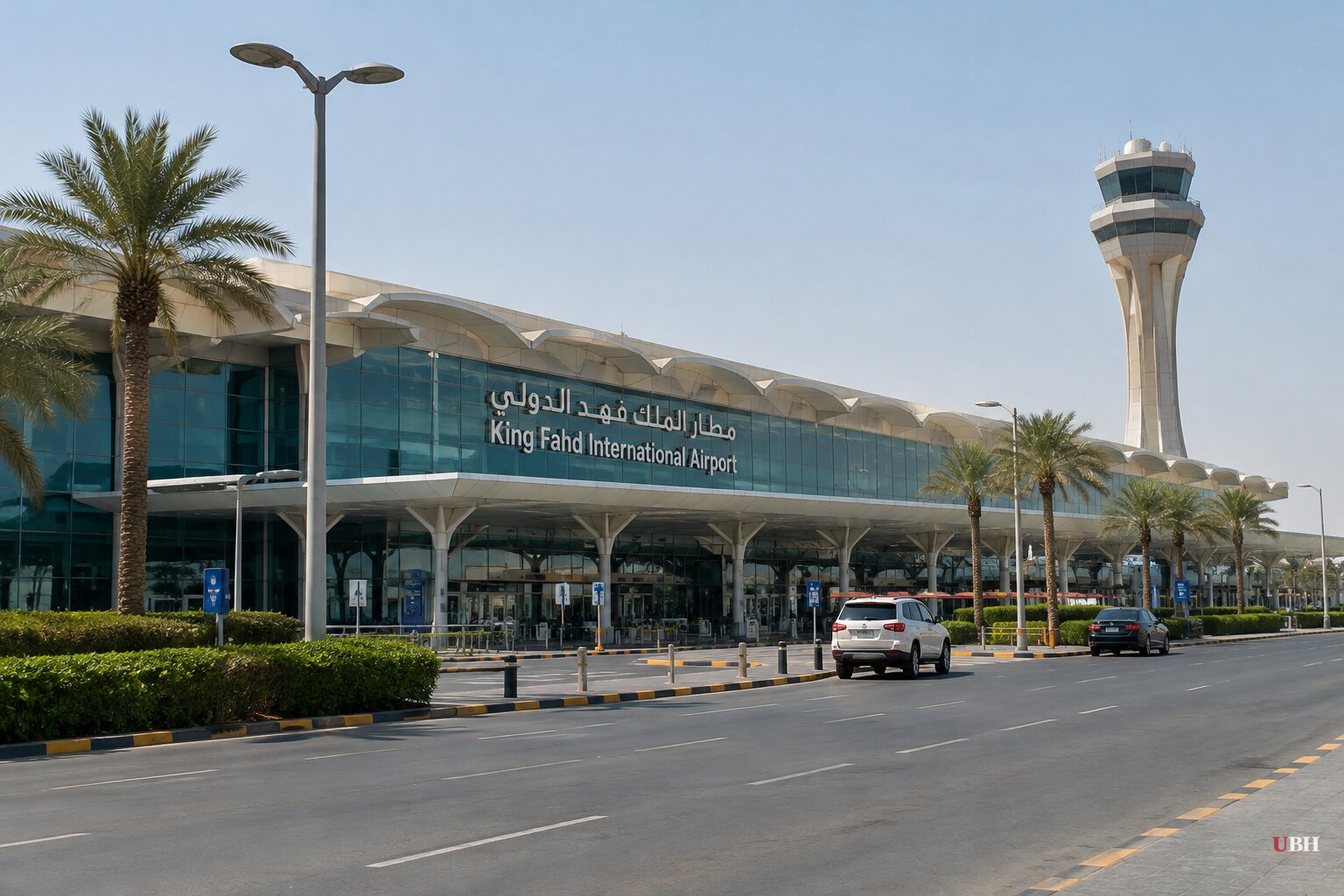
A day after Brent crude held near a five-month high on Houthi claims of strikes on Saudi oil sites, the fighting reached a major civilian airport in the kingdom's Eastern Province and pushed Washington to pull people out.
Saudi Arabia's General Authority of Civil Aviation said an attack on King Fahd International Airport in Dammam on Wednesday evening, Oct. 21, killed one person and injured eight. Injuries ranged from minor to critical, the authority said, and material damage is still being assessed. It later described the dead person as a Saudi resident.
The authority did not say what kind of weapon was used or who fired it. The Houthi movement had not commented as of Wednesday night. Flightradar24 said aircraft were being diverted away from the airport.
A day of strikes across the east
Earlier Wednesday, the Saudi Energy Ministry said air defenses intercepted a drone aimed at a facility at Saudi Aramco's Shaybah oilfield, near the UAE border. Falling debris killed two people and injured two others.
The ministry named the dead as a Filipino and a Nepali national. The injured were from Pakistan and India. The ministry did not say who launched the drone.
The Saudi-led coalition in Yemen also reported intercepting drones in the kingdom's east. Accounts of the count differ, with figures of four and six given.
Riyadh airport already hit
Dammam is not the first airport to take casualties this month. The civil aviation authority said an attack on Riyadh's King Khalid International Airport killed 12 people and injured more than 300. A separate projectile strike on the same airport the next day killed one and injured 11, the kingdom reported. Abha International Airport and several Aramco facilities have also been targeted.
Saudi Arabia has faced near-daily attacks attributed to the Iran-backed Houthis this month, amid renewed fighting between the group and the Saudi-backed Yemeni government.
Washington pulls staff
The State Department ordered the departure of "non-emergency U.S. government employees and their family members in Saudi Arabia only," spokesman Tommy Pigott said in a social media post Wednesday. He said the Houthis "have increasingly engaged in hostilities against Saudi Arabia, including attacks on civilian airports and other critical infrastructure resulting in civilian casualties and severe travel disruptions."
U.S. government employees now need special permission to travel through Saudi airports, and the U.S. Embassy in Riyadh issued a security alert warning of possible further Houthi attacks. A department spokesperson said hostilities "have the potential to escalate rapidly, including beyond that immediate area."
Four U.S. officials told Reuters that missions in other Gulf states would also order family members to leave. A diplomatic source told AFP the list includes the UAE, Jordan, Qatar and Bahrain. Pigott did not confirm that and said the formal order covers Saudi Arabia only.
Military footprint shrinking
A U.S. official and a senior U.S. military official told CBS News the military has been quietly reducing its footprint at posts in the Middle East because of threats from the Houthis and direct threats from Iran. NBC News was first to report the drawdowns.
U.S. Central Command spokesman Capt. Tim Hawkins did not confirm any drawdown. "We regularly move U.S. service members and assets to optimize mission readiness," he said. "We do not discuss related movements for operational security reasons."
CBS also learned that several U.S. embassies in the region have adjusted staffing under "restricted operations" status. The department introduced that status in August during flare-ups in the war with Iran. It lets embassies cut staff and services without suspending operations outright.
The wider war
The Yemen front is an extension of the regional conflict that began in late February with the U.S.-Israeli war on Iran. The U.S. Embassy in Riyadh and a CIA station there came under drone attack in early March as Iran began striking across the region. Many American diplomats were pulled out at that point, and some were sent back in recent months.
The broader conflict has snarled global energy trade and hurt Gulf economies. Indirect talks with Iran on a ceasefire proposal are continuing, according to CBS.
Several questions remain open. Saudi authorities have not said who struck Dammam or with what. Washington has not confirmed which other missions will send families home. Whether the ceasefire track can slow attacks on Saudi airports and oil sites is unresolved as of Wednesday night.
Sources used for this briefing
8 links from 8 independent newsrooms (syndicated copies of the same report count once)
These are the sources it draws on, linked so you can verify.


