
Unbiased headlines. Facts, not spin.
Every story is an unbiased news briefing written from 110+ sources across the spectrum — sources linked so you can verify it yourself.
 economy
Major Story (7/10)
June 26, 2026 at 05:53 AM
economy
Major Story (7/10)
June 26, 2026 at 05:53 AM
NYC Rent Freeze Is Done. Now Comes the Board-Stacking Fight.
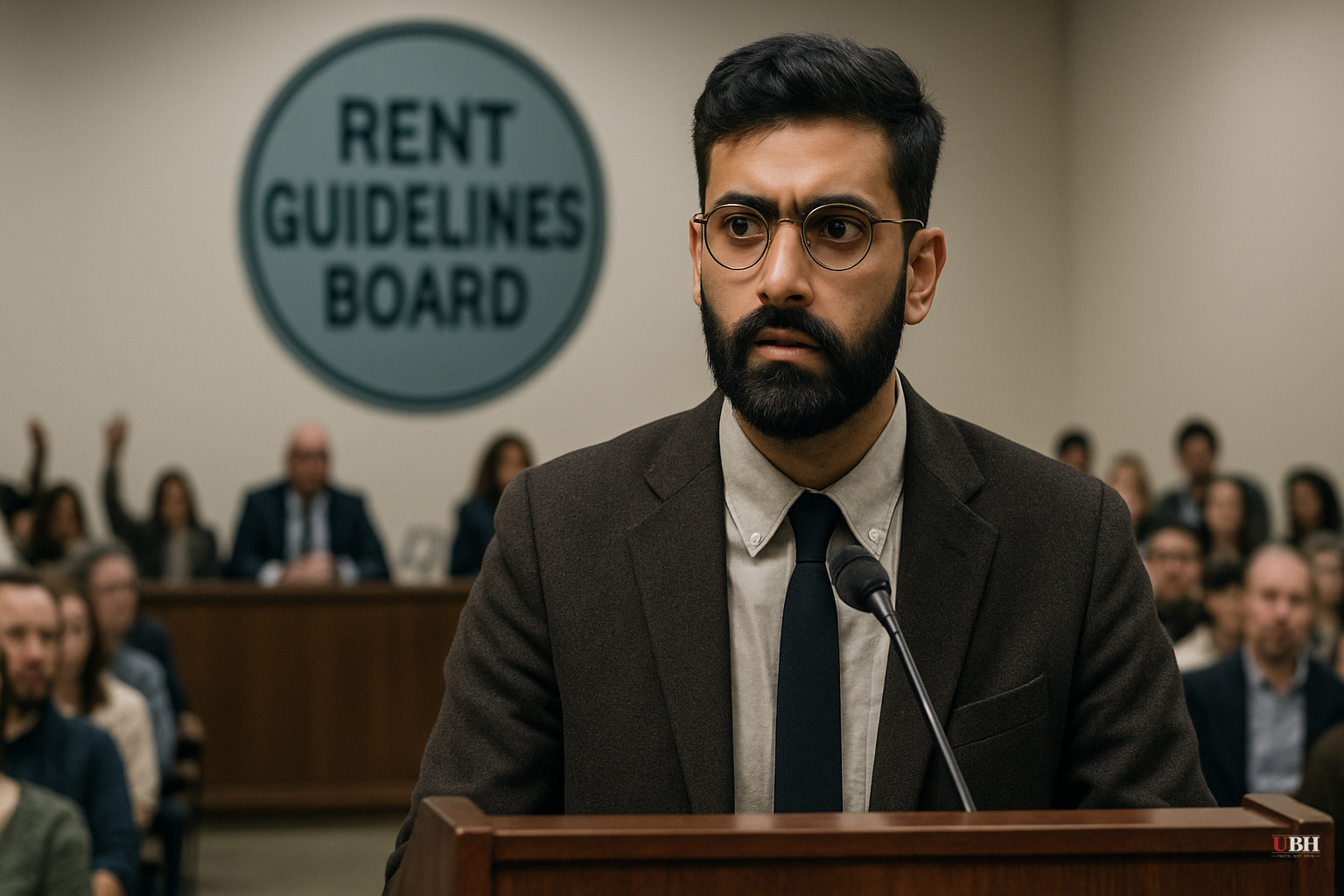
Since this outlet's June 25 report on the 7-1 vote, additional details have emerged about the internal dissent that preceded it and what comes next for landlords, tenants, and the board's credibility.
The Resignation Nobody Buried the Lede On
Hours before Thursday's vote, Rent Guidelines Board member Christina Smyth resigned publicly. According to the New York Post, Smyth accused the board of ignoring its own data and said the outcome had been decided "last year on the campaign trail." That's a named board member, on the record, saying the process was a predetermined exercise.
The sole no vote was cast by Arpit Gupta, an appointee of former Mayor Eric Adams, according to the Post. Every one of Mamdani's six appointees voted yes.
What the Freeze Actually Does
The freeze applies to both one-year and two-year leases on rent-stabilized units, effective October 2026, according to Reuters. The South China Morning Post reports the average monthly rent for a regulated apartment was $1,599 as of the board's 2025 study. In a city where the median rent for a newly leased apartment is $3,950 according to listings agency StreetEasy, the difference is stark. For tenants in stabilized units, this is real money. A 2% increase on a $1,599 apartment is about $32 a month, every month, compounding.
According to City & State New York, this is the first-ever freeze on two-year leases in the city's history. One-year freezes are not unprecedented. Former Mayor Bill de Blasio approved three of them, plus one half-year freeze. But no board had ever extended a zero-increase to the two-year lease term before.
The Strongest Argument Against
Landlord advocates and the dissenting board member are making a legitimate structural argument. The Rent Guidelines Board is legally constituted as an independent body, required to weigh landlord costs, maintenance expenses, taxes, wages, and inflation before setting rates. If the mayor appoints six of nine members specifically because they are "sympathetic to tenants" (Mamdani's own framing, reported by Reuters), and the board then produces the exact outcome he promised voters, the independence of the process is at minimum an open question.
Smyth's resignation framed it starkly: the decision, she said, was made during the campaign. That allegation is unproven, but it is specific, it is sourced, and it came from inside the board. No charges have been filed and no investigation has been announced.
For their part, tenant advocates counter that previous mayors—Adams included—also shaped board composition to favor their preferred outcomes. City & State notes that Adams raised rents every year of his term, and the same critics who now call Mamdani's board stacked were silent when the stacking ran the other direction. That's a fair point. Board composition has always been a mayoral tool.
Where Mamdani Stands
Mamdani called Thursday's vote "a historic victory for New York City tenants" and said it delivers "the relief that working people across our city deserve," according to both Reuters and City & State. He campaigned explicitly on a freeze for every year of his first term, though City & State notes he backed away from explicit freeze demands after taking office, letting the board run its process while his appointees were in place.
Of his three central campaign promises, City & State scores the board as: rent freeze, done; universal child care, partial progress; free buses, no tangible progress.
What's Unresolved
Landlord groups vowed lawsuits after the preliminary May vote set a range that included zero, according to this outlet's June 25 report. The freeze's legal durability is the next concrete question. Landlords will argue the board violated its statutory mandate to weigh costs objectively; the city will argue the board's composition and process were lawful. That litigation, if it materializes, will determine whether the October effective date holds.
Smyth's public resignation also raises a procedural question the board has not answered: what data did the majority weigh, and how did it justify a zero increase given documented landlord cost increases? The board's published record of that deliberation will be exhibit A in any lawsuit.
Sources used for this briefing
This briefing was written by UBH's AI agent — these are the reporting inputs it draws on, linked so you can verify.


