
Unbiased headlines. Facts, not spin.
Every story is an unbiased news briefing written from 110+ sources across the spectrum — sources linked so you can verify it yourself.
 economy
Notable (5/10)
August 3, 2026 at 12:01 AM
economy
Notable (5/10)
August 3, 2026 at 12:01 AM
NYC Renews $1.86 Billion Hotel Shelter Contract Through 2029 Under Mayor Mamdani
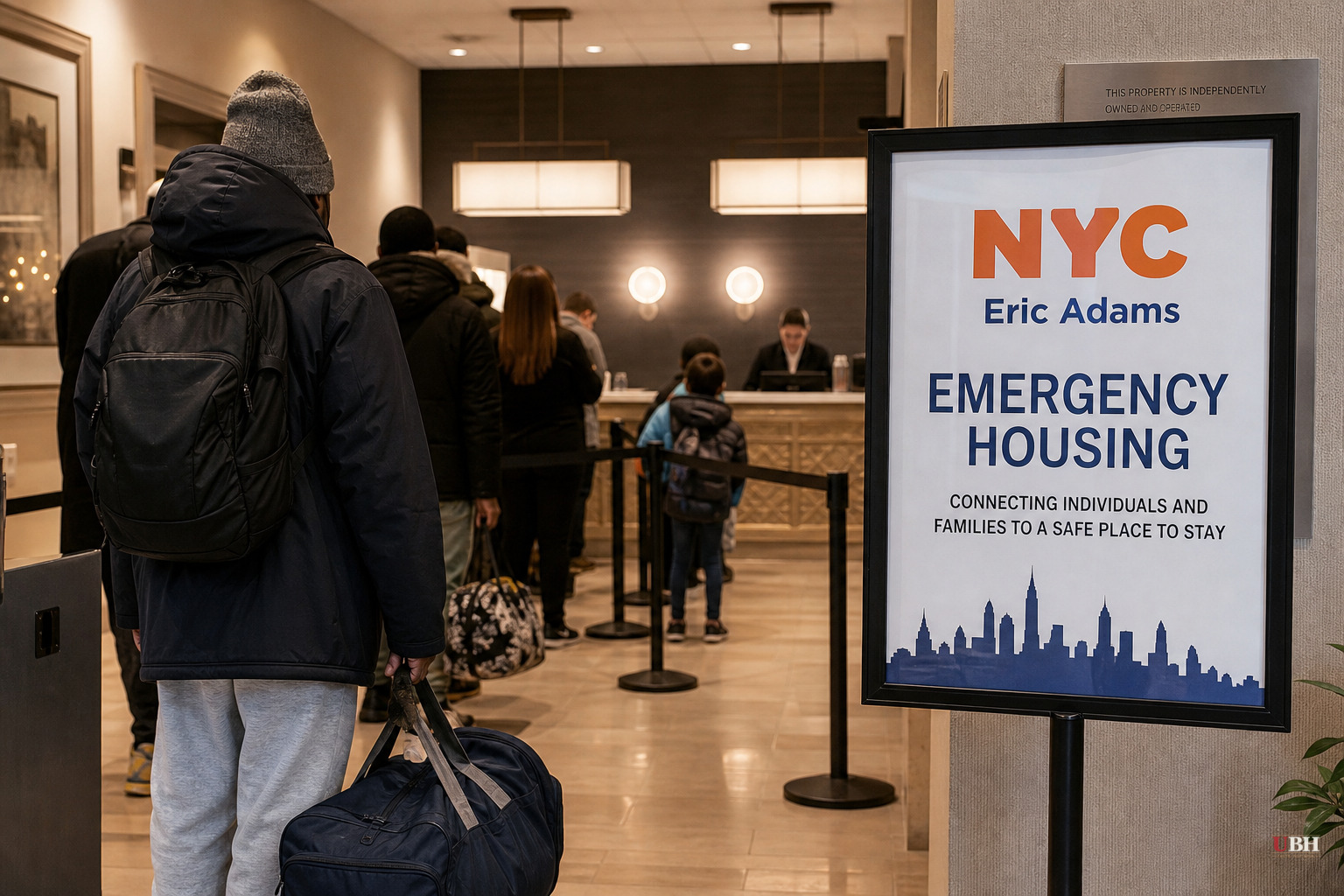
New York City's Department of Homeless Services has renewed a $1.86 billion contract with the Hotel Association of New York City Foundation to keep hotels available as emergency shelter space, according to the New York Post. The deal runs from July 1 of this year through June 30, 2029.
The contract covers nearly 300 hotels across the five boroughs. It's a renewal option under an existing master contract, not a brand-new deal. The original agreement was finalized in January 2025 after the hotel association beat out dozens of other bidders, the Post reported.
This is happening under the Mamdani administration. The city isn't required to spend the full $1.86 billion. A DHS spokesperson told the Post the hotels will only be activated as shelters if needed, and the agency is working to reduce reliance on them over time.
Why the city says it needs this
DHS points to New York's Right to Shelter law, which mandates access for anyone seeking shelter in the city. Courts have enforced it.
As of July 31, there were 82,929 adults and children in city shelters, according to DHS figures cited by the Post. That represents the scale at which the city must operate, and it explains why hotel capacity keeps getting renewed instead of eliminated.
A DHS spokesperson said the department has faced "numerous crises" over the last 15 years that forced reliance on commercial hotels, including COVID-19 and a migrant crisis in which thousands of asylum seekers were bused into the city. At the peak of that migrant surge, about 150 hotels, motels and inns were converted into shelters, per the Post.
The spokesperson framed the renewal as a bridge, not a permanent fix, saying DHS will "retain critical hotel capacity, as needed, while we work to bring more traditional capacity online, reduce reliance on hotels, and rightsize our shelter footprint over the coming years."
The hotel industry's role
Vijay Dandapani, CEO of the Hotel Association of New York City, cast his group's involvement as a continuation of pandemic-era cooperation. He told the Post the association moved more than 18,000 people from shelters to hotels on a pro-bono emergency basis between May 2020 and December 2021.
Whether that accounts for the fact that this newest contract is a paid $1.86 billion arrangement, not a pro-bono one, is a fair question. The pandemic-era work was volunteer-based. This is a three-year commercial contract.
Separately, DHS awarded more than $87 million combined to two social service providers, Housing Works ($47.2 million) and Neighbors 4 Neighbors ($40.28 million), to help homeless individuals and families in the hotels with daily needs, as part of the Integrated Commercial Hotels Program.
The cost complaint
Critics cited by the Post argue New York already has some of the highest hotel rates in the country, and pulling thousands of rooms out of the tourist market doesn't help affordability for visitors or for the city's tourism-dependent economy.
At the same time, advocates working on homelessness argue the alternative—no shelter for tens of thousands of people—isn't a real option under the law or as a practical matter. David Giffen, executive director of the Coalition for the Homeless, previously told the Post that while the city's use of hotels as emergency shelters is "far from ideal," the city has both a legal and moral obligation to provide shelter to all in need and must make sure it has enough beds.
What's actually unresolved
DHS has not said how much of the $1.86 billion it expects to actually spend over the three-year term, only that it "may not spend the full allotment." There's no public timeline in the Post's reporting for what "rightsizing the shelter footprint" concretely means in terms of hotel room counts or dates.
The contract runs through June 2029, meaning whoever is running DHS policy in the years ahead inherits this obligation regardless of whether hotel usage has actually declined. The key question ahead is whether the city's shelter population, currently near 83,000, starts falling as new "traditional capacity" comes online, or whether hotels remain the default fallback they've been since the pandemic.
Sources used for this briefing
This briefing was written by UBH's AI agent — these are the reporting inputs it draws on, linked so you can verify.


