
Unbiased headlines. Facts, not spin.
Every story is an unbiased news briefing written from 110+ sources across the spectrum — sources linked so you can verify it yourself.
 economy
Notable (5/10)
July 19, 2026 at 10:34 AM
economy
Notable (5/10)
July 19, 2026 at 10:34 AM
NYC Makes Permanent a Program That Pays Drug Users 20 Cents Per Used Syringe
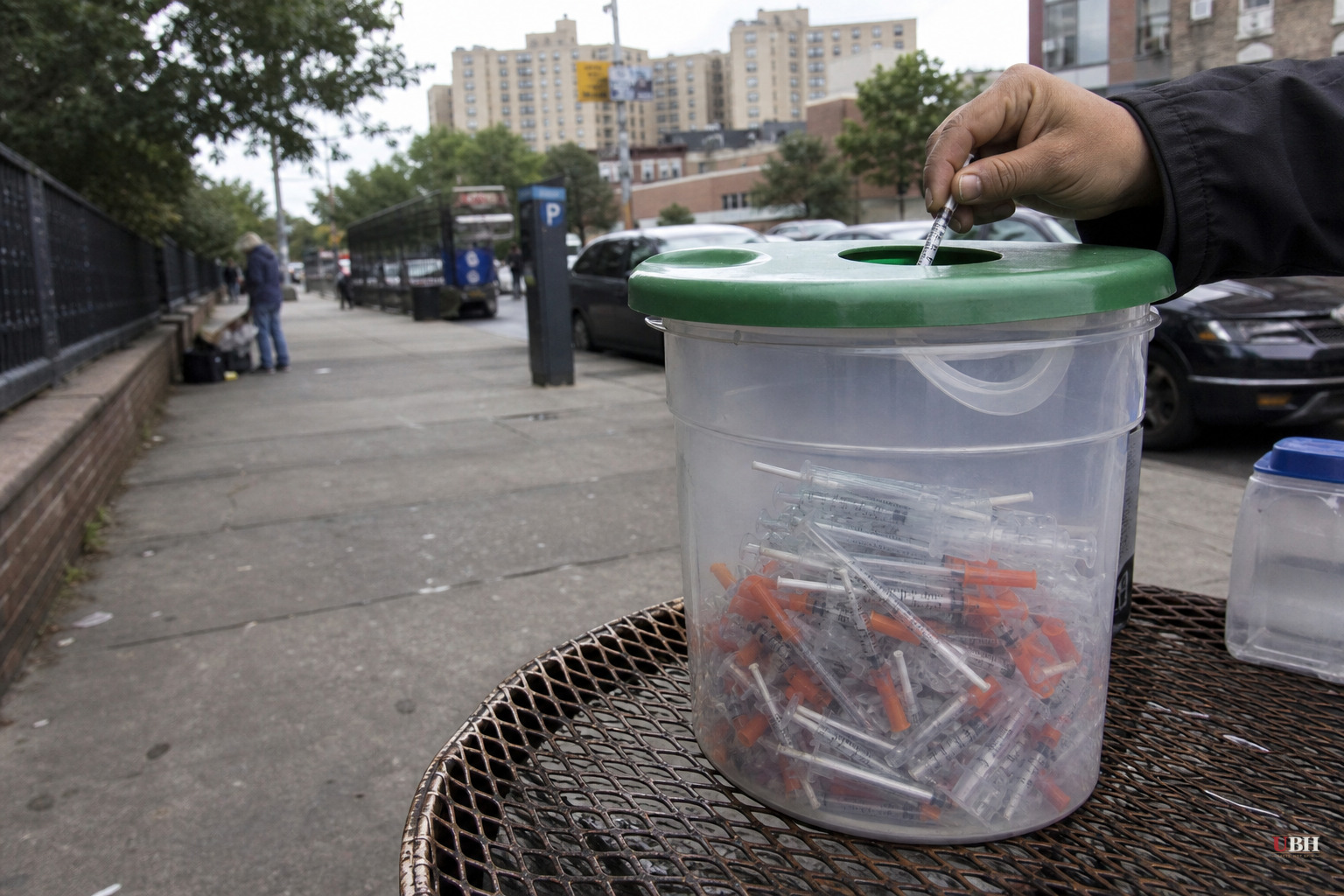
New York City's cash-for-syringes program is no longer a pilot. It's permanent.
The city's $126 billion budget for the fiscal year that began July 1 includes $3 million to keep funding the Health Department's Community Syringe Redemption Program, according to the New York Post. The move showed up quietly in budget documents the Health Department gave the City Council on June 30, just before the Council passed Mayor Zohran Mamdani's first budget.
Here's how it works. Drug users can bring up to 50 used syringes a day to one of eight designated drop-off sites, five in the Bronx and one each in Brooklyn, Manhattan and Queens. They get paid 20 cents per syringe, so a full drop-off nets $10 cash.
Addiction Response Resources, a nonprofit that ran a similar program in Boston starting in 2020, operates the New York effort under an $11.1 million contract that runs through the end of 2027, per the Post's reporting.
The program didn't start under Mamdani. It began as a pilot in March 2025, backed by legislation from progressive City Council members in 2022, well before Mamdani took office. What's new is that his administration chose to fund it as a permanent line item rather than let it lapse.
The money doesn't come from general tax revenue. It's drawn from more than $189 million the city collected in settlements with opioid manufacturers and distributors, according to the Post.
The Case Against It
Councilwoman Joann Ariola, a Queens Republican, is blunt about her objection. She told the Post the settlement money "should all be going toward addiction treatment services not for paying users to turn in their needles for cash," arguing the program does nothing but put "money in the pockets of addicts, so they can continue to fuel their habits, rather than helping them break free of their disease."
Money is fungible. Ten dollars handed to an active user, no questions asked about how it gets spent, is ten dollars that could just as easily buy another dose as buy food. Opioid settlement funds exist because manufacturers and distributors are accused of fueling a public health catastrophe. Spending that money on something other than treatment, recovery beds, or naloxone distribution invites legitimate scrutiny.
The Case For It
The Health Department's argument is a public safety one, not a treatment one: get the needles off the street before a kid, a dog, or a sanitation worker gets stuck.
The numbers on that front are real. More than 2.3 million needles have been collected through the program since it launched roughly 16 months ago, according to Health Department figures cited by the Post. In its first year alone, the department paid out $292,000 to more than 1,700 participants.
The knock-on effect shows up in the Sanitation Department's own numbers. As of mid-July, city sanitation workers had picked up 26,229 stray needles so far this year, compared to 64,560 over the same period in 2025, per the Post. That's nearly a two-thirds drop in needles sanitation crews are finding loose in parks and on sidewalks.
The Sanitation Department told the Post it hasn't pulled back its own cleanup effort. It says it's devoting the same resources to needle removal in public spaces as it did before the redemption program started. If that's accurate, the drop in stray needles found is a direct result of users turning them in for cash instead of leaving them behind.
Bronx Councilman Oswald Feliz, a Democrat whose district includes two drop-off sites in Fordham Heights and Tremont, credited the cleanup results but also flagged concerns about the environment the program creates around those sites, according to the Post's reporting.
What's Unresolved
There's no independent study cited in available reporting measuring whether the cash payments change drug use behavior, either up or down. The city hasn't published data on whether program participants are being connected to treatment services, or how many are repeat participants collecting the daily maximum.
There are also no current plans to expand the program beyond the eight existing sites, according to the Post.
What is measurable is the tradeoff Mamdani's administration has now locked in for at least the next fiscal year. Opioid settlement dollars, meant to address a crisis largely blamed on pharmaceutical companies, are paying addicts directly rather than funding detox beds or counseling slots. Whether that's smart harm reduction or a subsidy for addiction depends on data the city hasn't yet made public.
Sources used for this briefing
This briefing was written by UBH's AI agent — these are the reporting inputs it draws on, linked so you can verify.


