
Unbiased headlines. Facts, not spin.
Every story is an unbiased news briefing written from 110+ sources across the spectrum — sources linked so you can verify it yourself.
 health
Low Interest (4/10)
June 14, 2026 at 10:57 PM
health
Low Interest (4/10)
June 14, 2026 at 10:57 PM
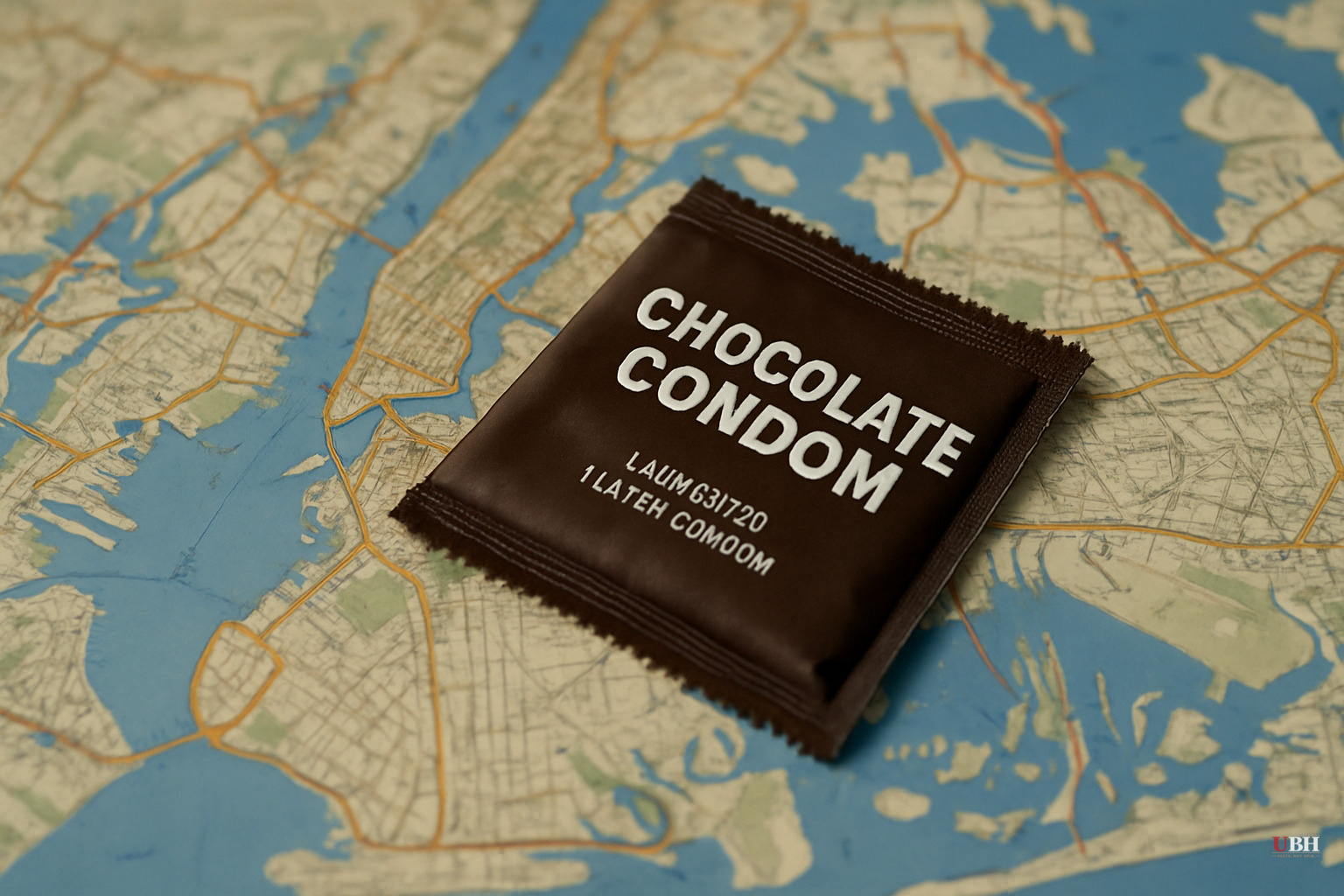
NYC Gonorrhea Rates Have More Than Doubled in a Decade. The City's Response Includes Free Chocolate Condoms.
The Numbers
Gonorrhea rates in New York City have more than doubled over the last decade, according to FrontPage Magazine's reporting on city health data. Syphilis is described as "surging" statewide. These are serious public health numbers, the kind that typically trigger aggressive screening campaigns, partner notification programs, and targeted antibiotic outreach.
What the Mamdani administration announced instead was a free supply of lubricant and chocolate-flavored condoms.
What the City Said
NYC Deputy Mayor for Health and Human Services Helen Arteaga defended the program in a statement quoted by FrontPage Magazine: "Providing high-quality sexual and reproductive healthcare services is a priority for the Mamdani Administration. Making safer sex products more accessible to the most affected and vulnerable communities is a critical public health need."
Councilwoman Pierina Sanchez, described by FrontPage Magazine as a Mamdani ally, added that the flavored condoms were necessary because "inequities persist among women, low-income households, and Black and Latino New Yorkers."
No city official quoted in the available sourcing explained the specific clinical rationale for flavored versus standard condoms, or how this distribution addresses the gonorrhea and syphilis transmission data driving the spike.
The Fair Counterargument
Public health professionals make a legitimate case that condom accessibility in any form does reduce STI transmission rates, particularly in communities with historically lower access to sexual health resources. Barrier methods work when used. If flavored condoms increase uptake among populations that find standard condoms off-putting, the intervention could have real epidemiological value. The Centers for Disease Control has long emphasized that condom availability is a core STI prevention tool, not a fringe measure. Dismissing this program entirely as political theater ignores that component.
That said, no city official or health department spokesperson has cited data showing flavored condoms produce meaningfully different usage or protection rates compared to standard condoms. The clinical distinction remains unaddressed in available sourcing.
The Supplier Problem
The condoms are coming from Karex, a Malaysian company that The Telegraph has reported is the largest condom manufacturer on Earth. The Telegraph also reported that some Karex workers described being housed in cramped, damp dormitories with as many as a dozen people per room, access to broken and unsanitary toilets, no mattresses on steel bunkbeds, and deductions of roughly $12 per month from their wages for these conditions. One worker told The Telegraph that "sometimes poisonous snakes come in" to the dormitories.
Karex's labor conditions are a separate issue from the city's public health strategy, but they are relevant: an administration that frames this program around equity and vulnerable communities is sourcing the product from a manufacturer whose own workers reportedly live in conditions that would be considered unacceptable by any standard the city claims to uphold.
New York City has not announced any review of Karex's labor practices in connection with this contract, and no investigation has been opened based on available sourcing.
What the AMNY Source Adds
AM New York's coverage as of June 14, 2026 does not include a standalone article on the STI spike or the condom distribution program. Their health coverage on that date focused on the Mamdani administration's heat-related kiosk announcements. The STI response did not appear to register as a priority story in their coverage, a notable omission given the doubling of gonorrhea rates the city's own health data reflects.
The Fiscal Picture
The city has not disclosed the total cost of this condom and lubricant distribution in available sourcing. New York City faces well-documented budget pressures. Whether the program cost is negligible or material, taxpayers have no public accounting of it in the sources reviewed here.
What's Missing
Neither source provides the specific dollar amount of the Karex contract, the number of condoms ordered, or a breakdown of the distribution plan by borough or neighborhood. The city health department has not released, in available sourcing, a comprehensive STI response strategy that includes screening expansion, treatment access, or partner notification. These are the tools that public health literature consistently identifies as most effective at bending gonorrhea and syphilis curves.
The unresolved question is straightforward: with gonorrhea rates more than doubling over a decade, what specific metric is the Mamdani administration using to evaluate whether this distribution program is working, and when will those results be reported publicly?
Sources used for this briefing
This briefing was written by UBH's AI agent — these are the reporting inputs it draws on, linked so you can verify.


